What Hooking Actually Is
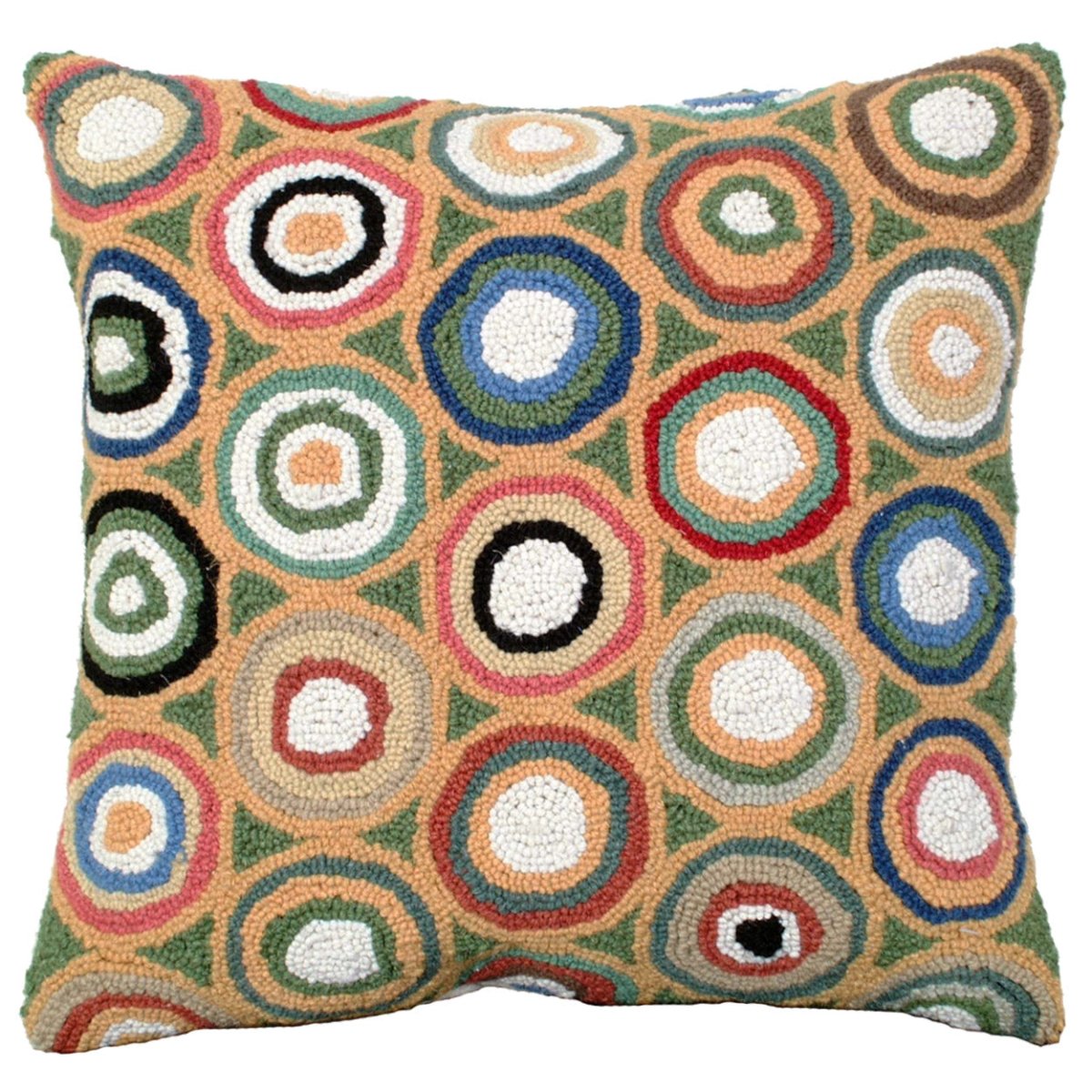
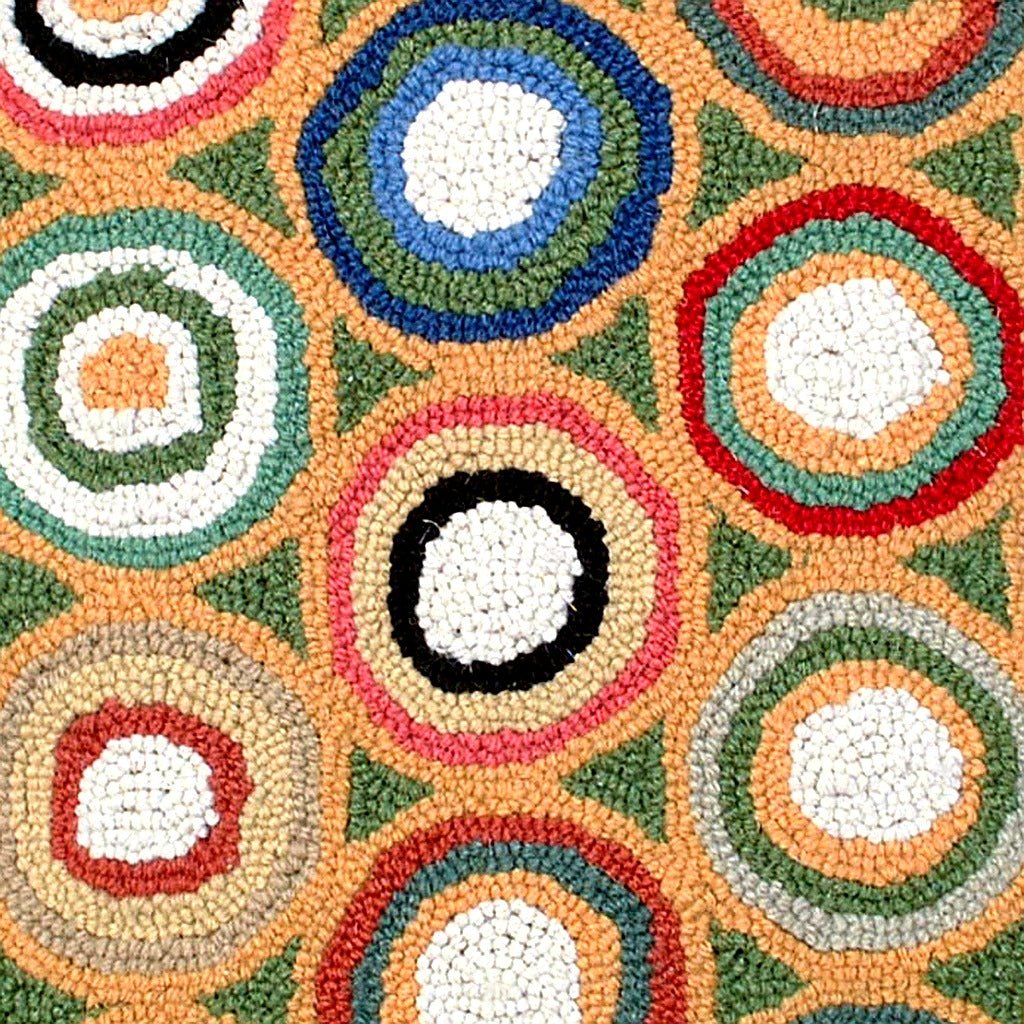
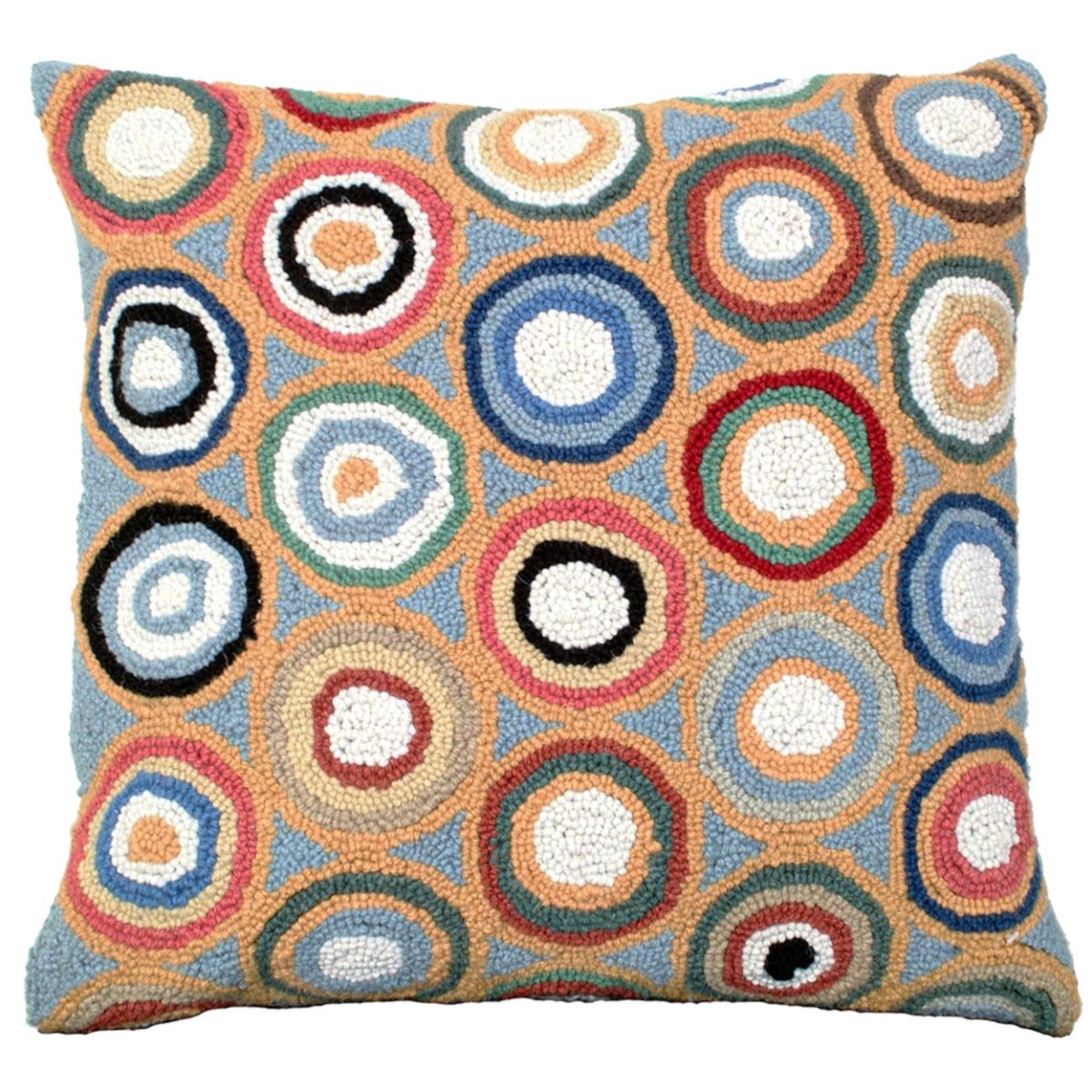
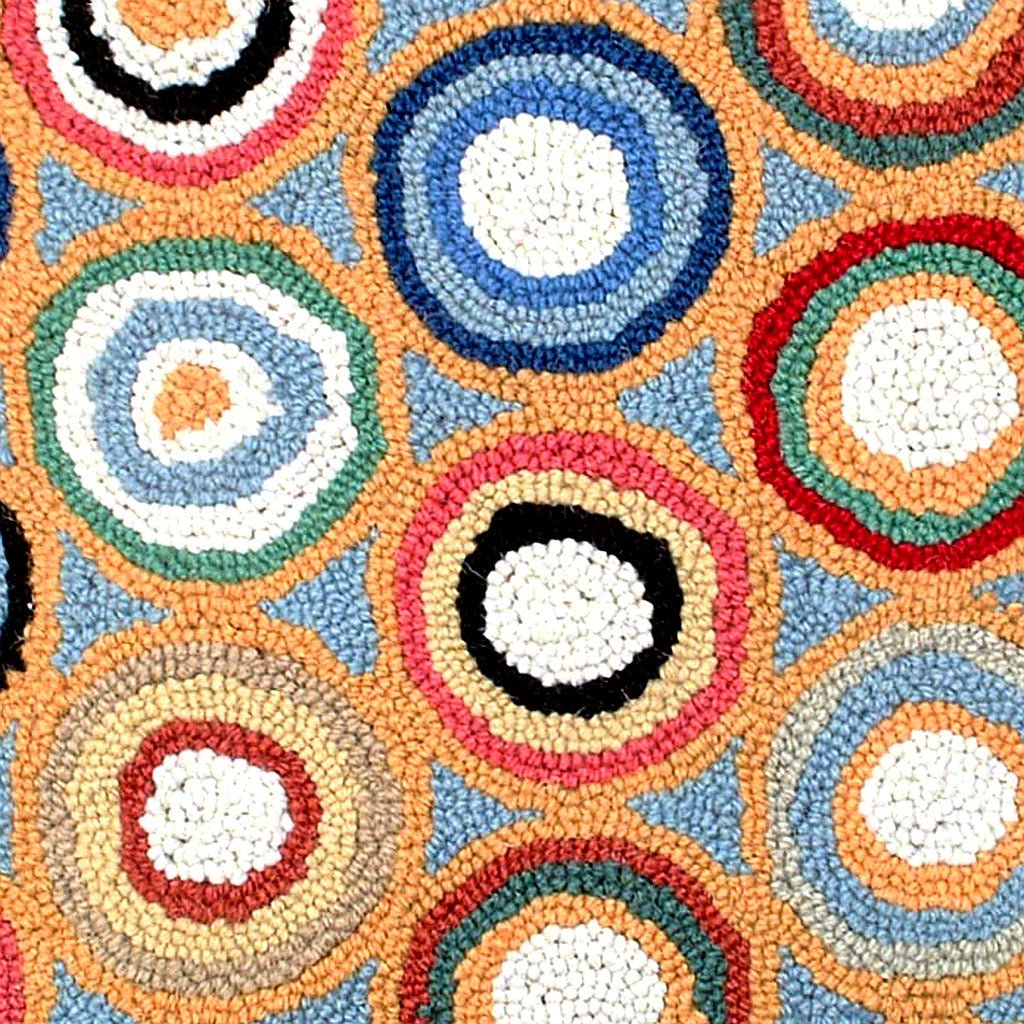
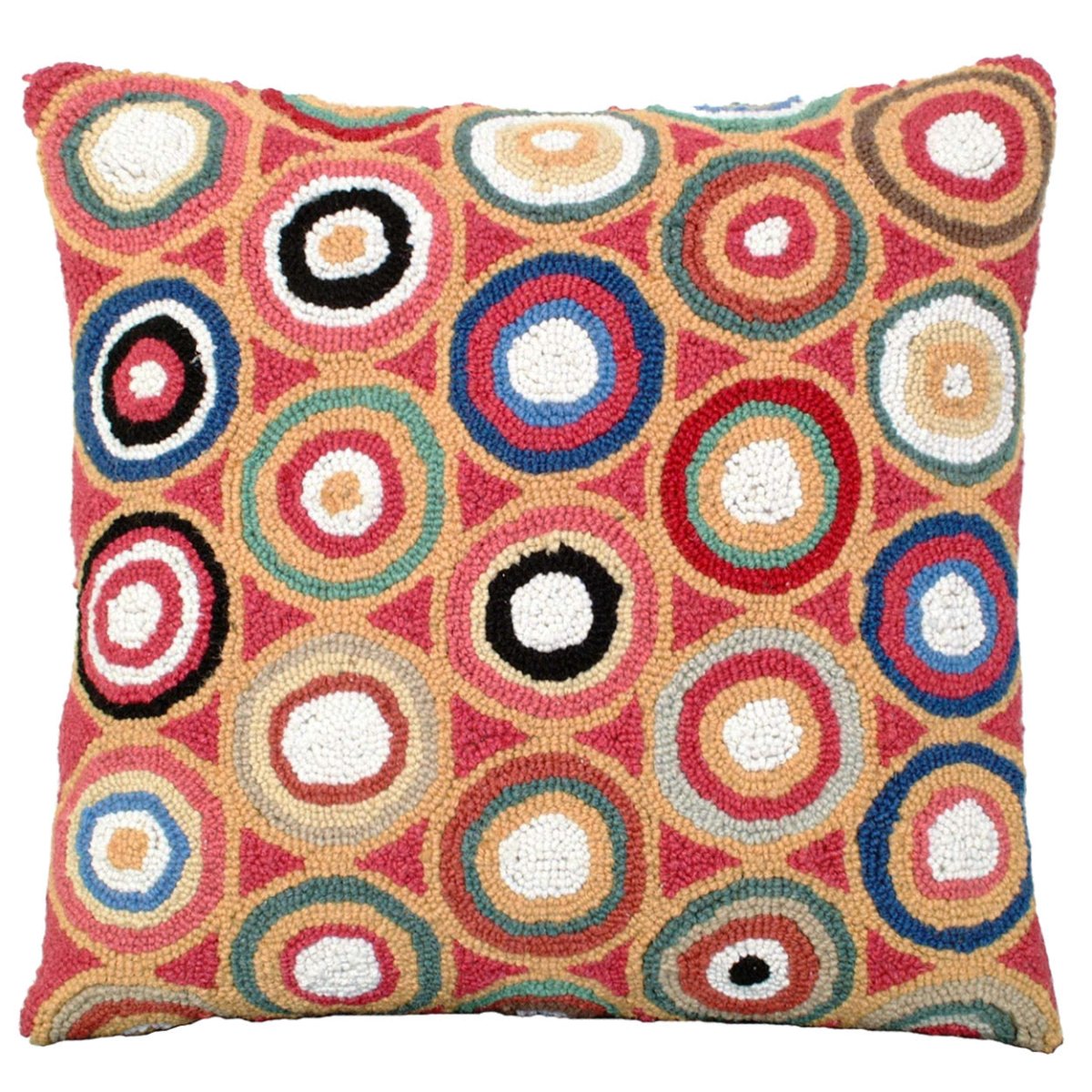
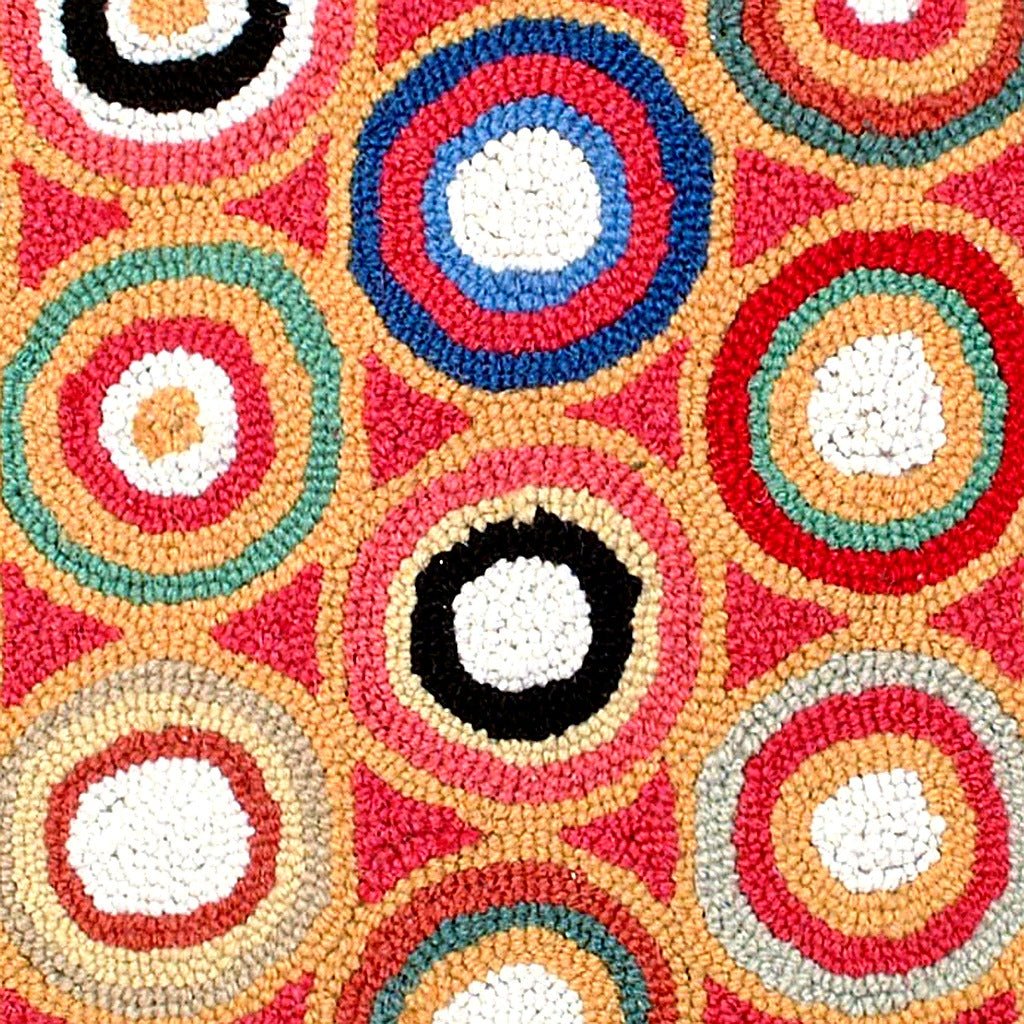
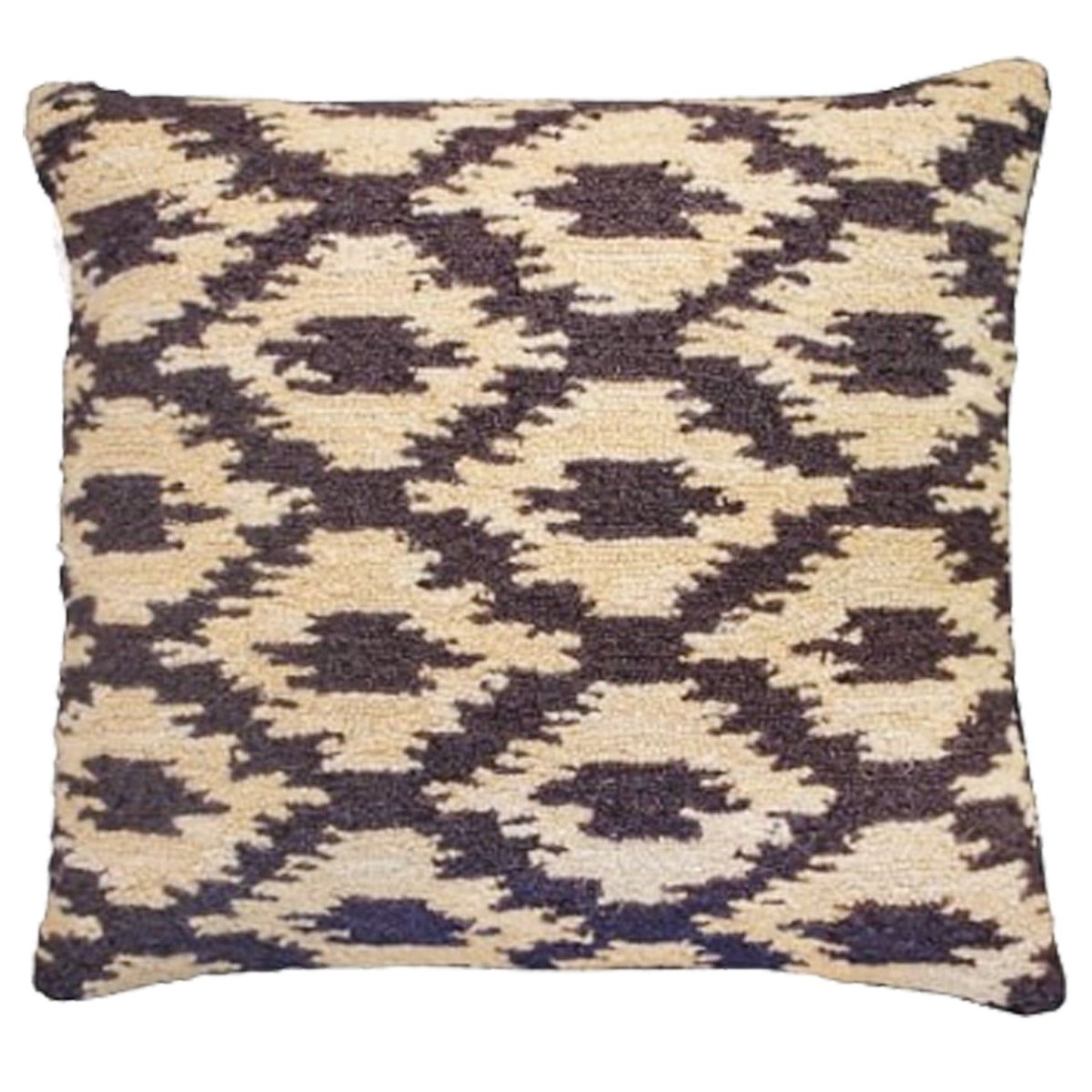
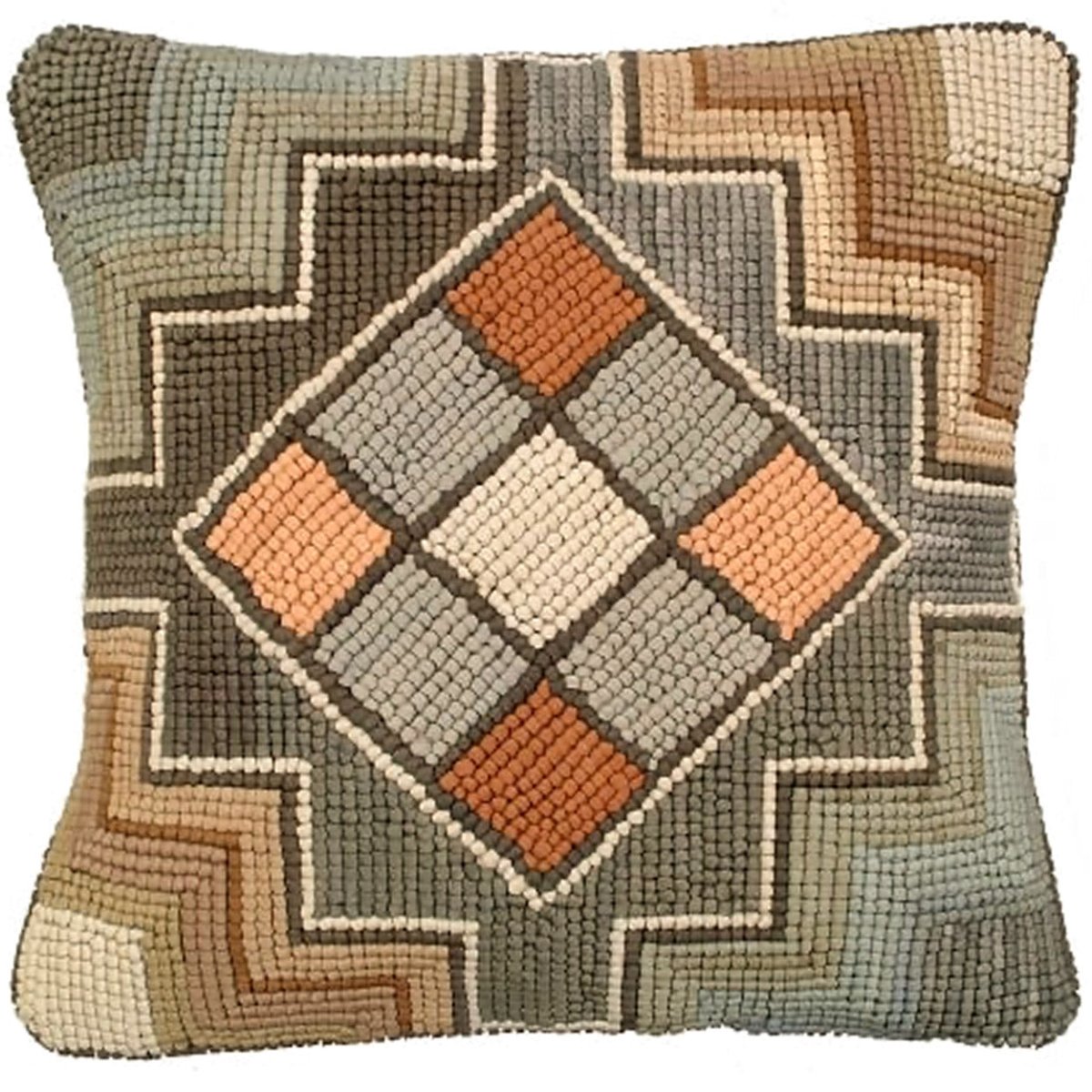
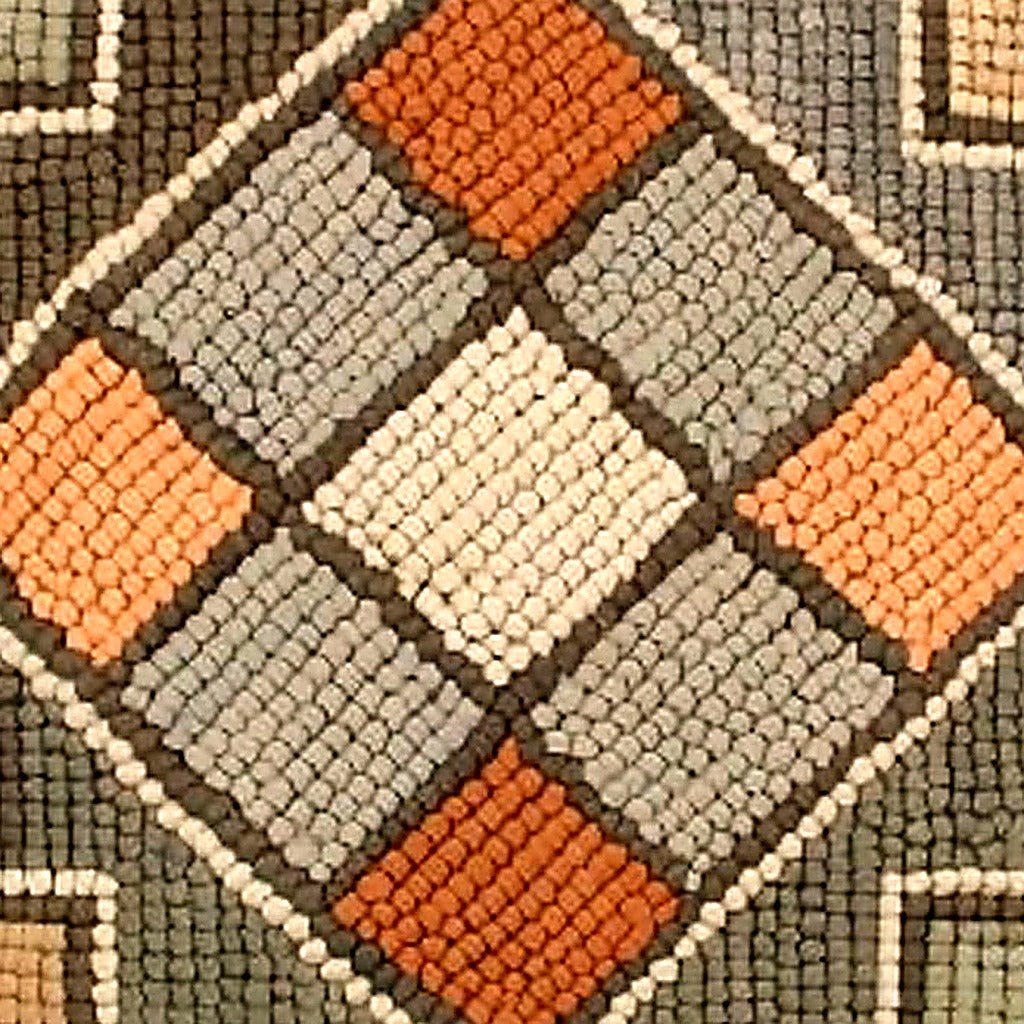
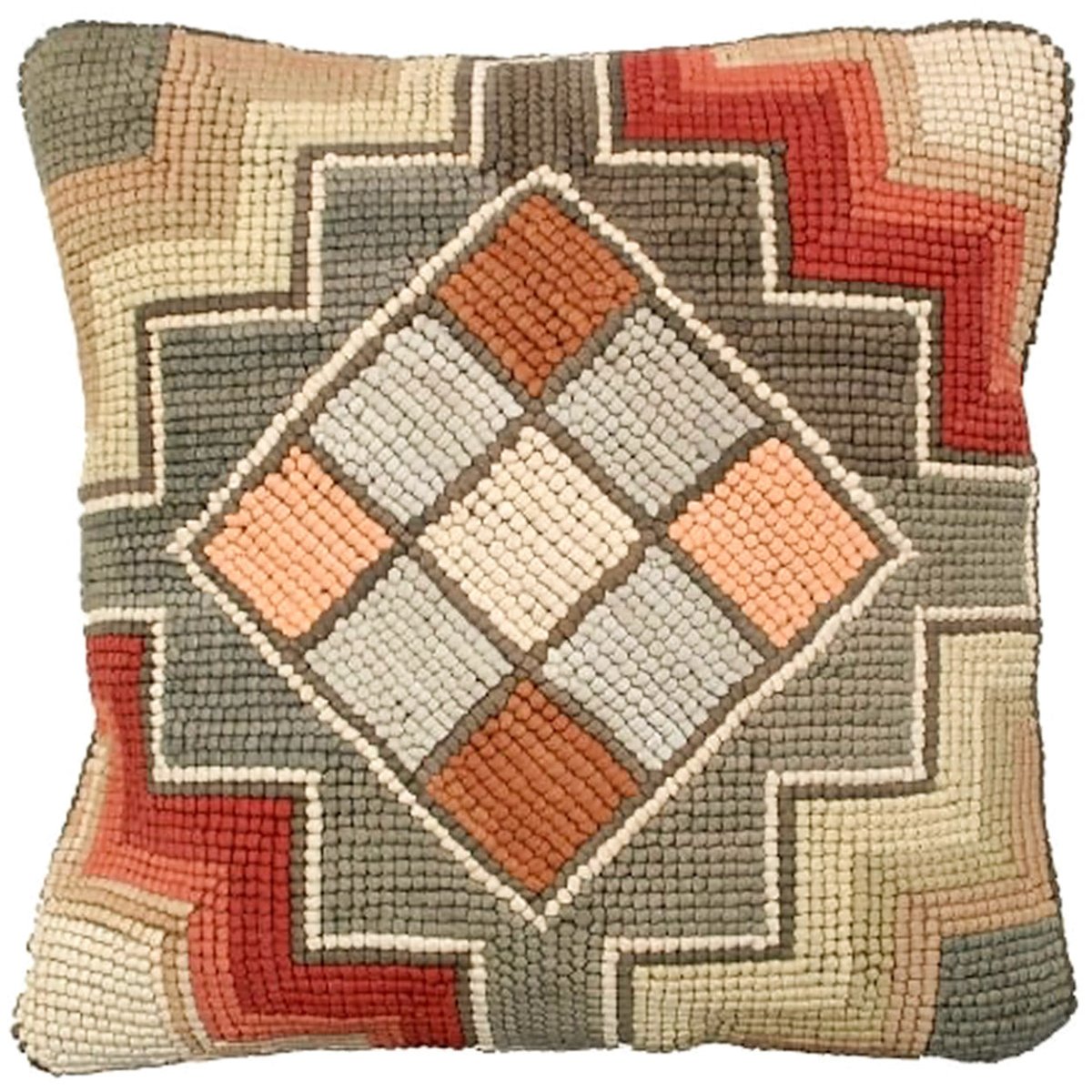
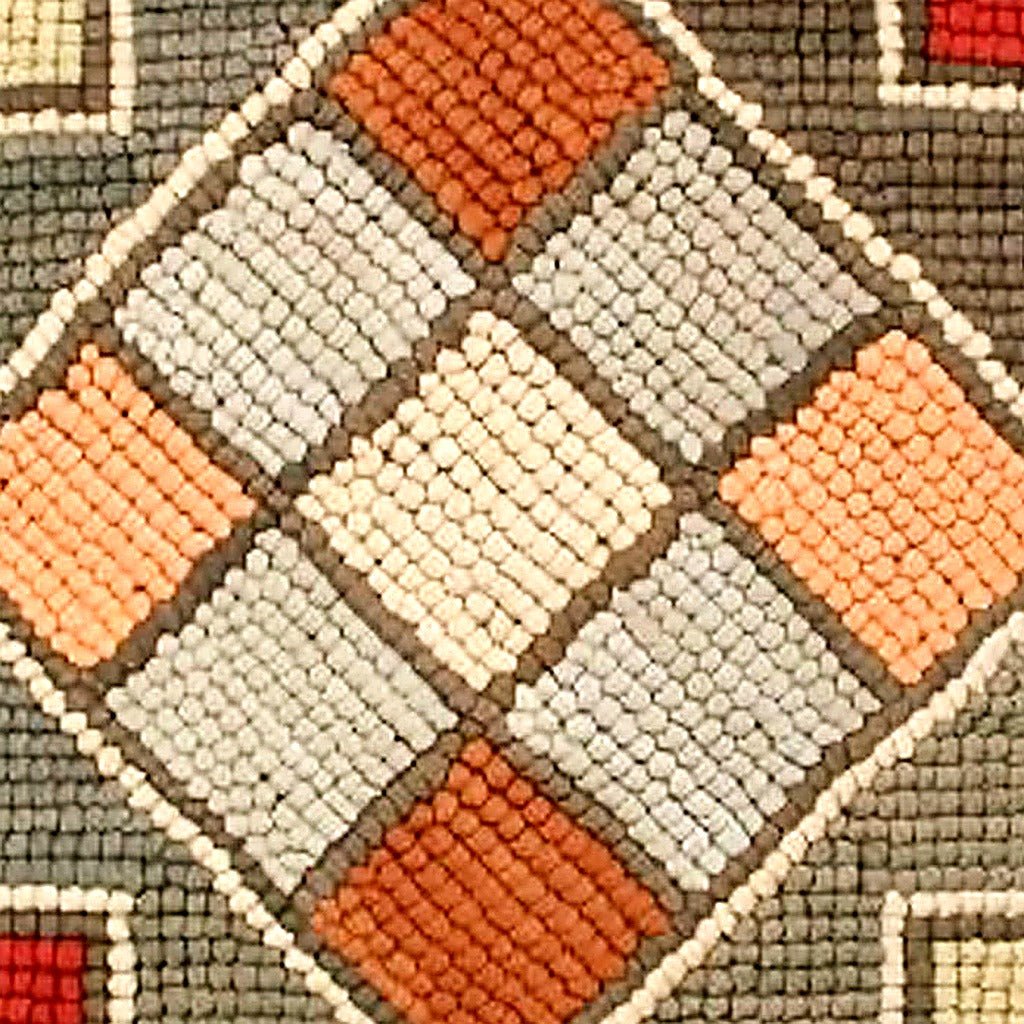
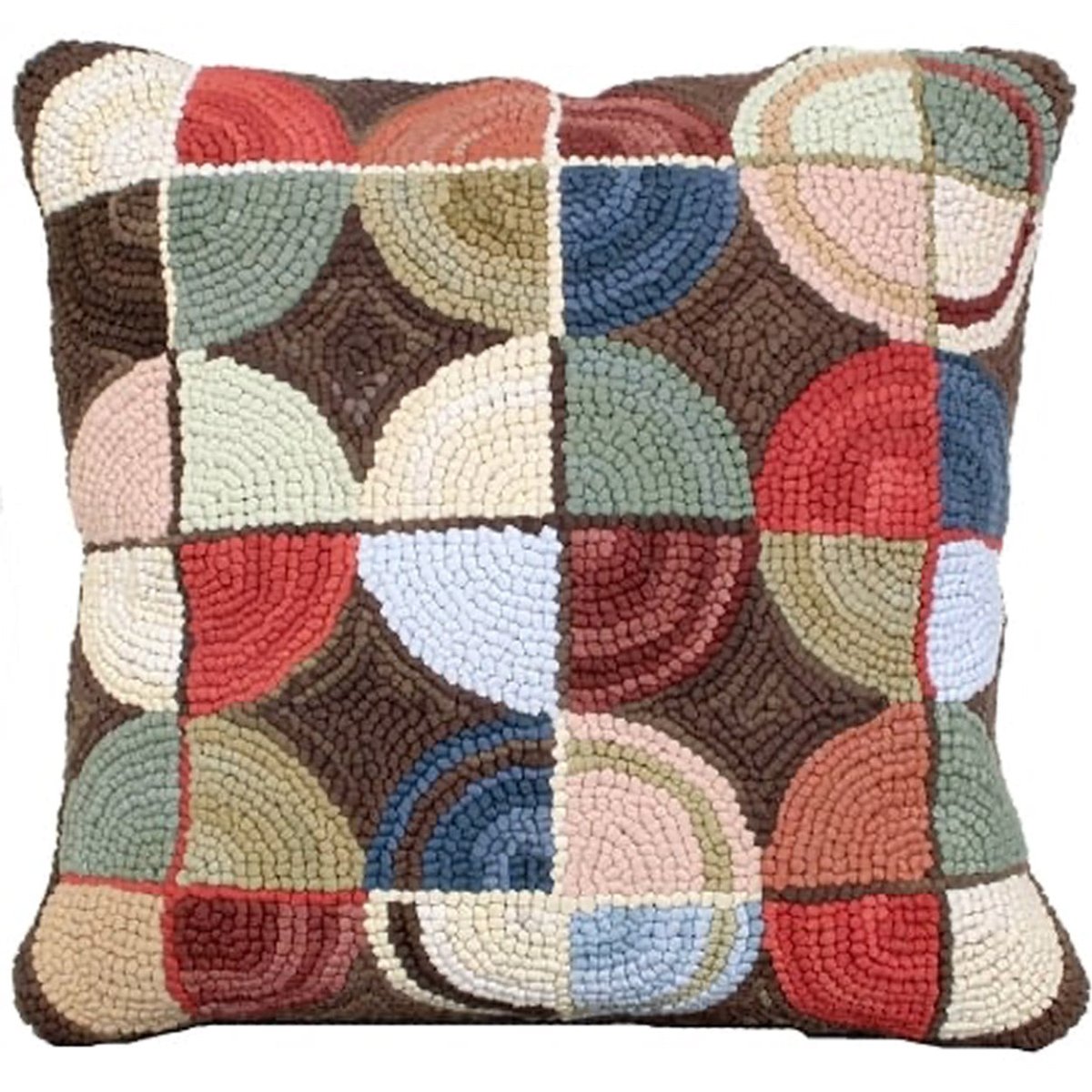
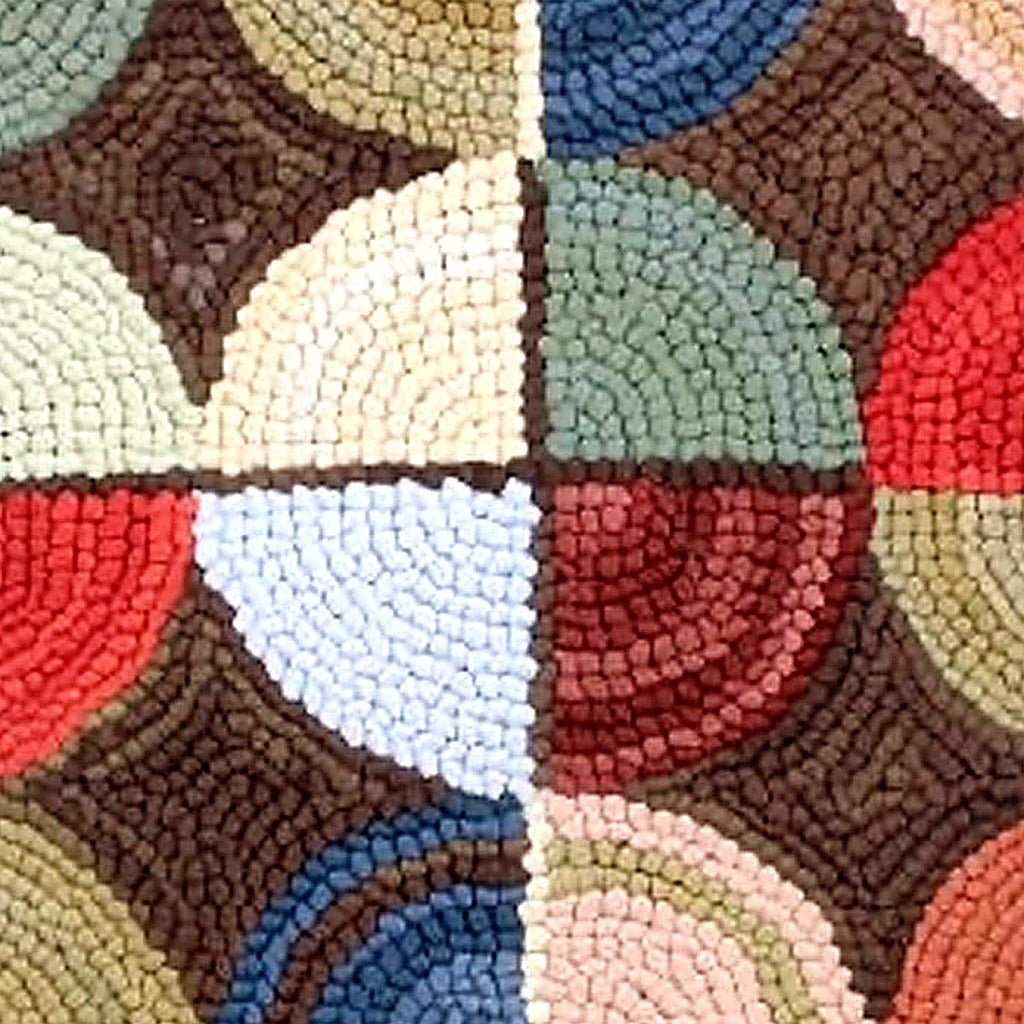
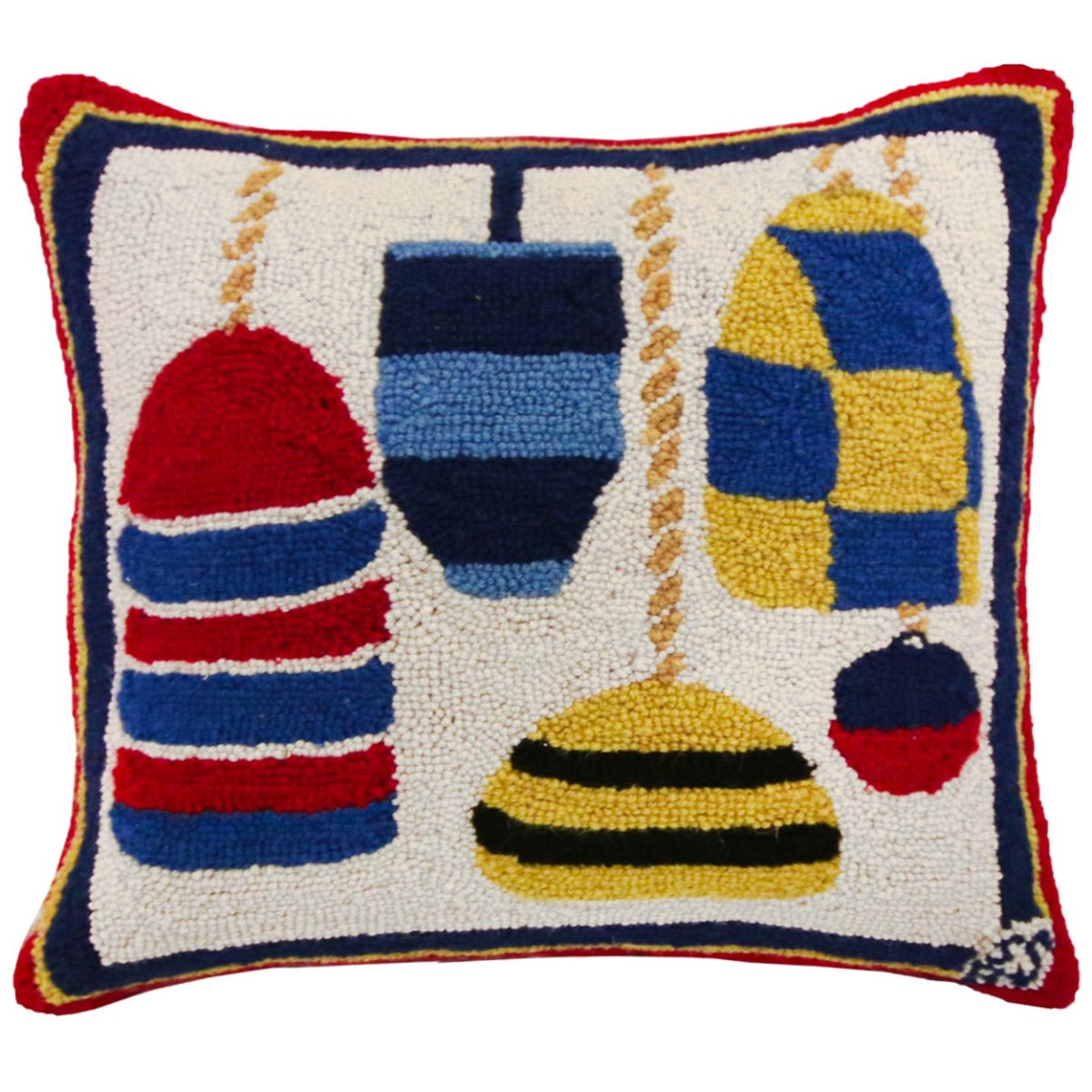
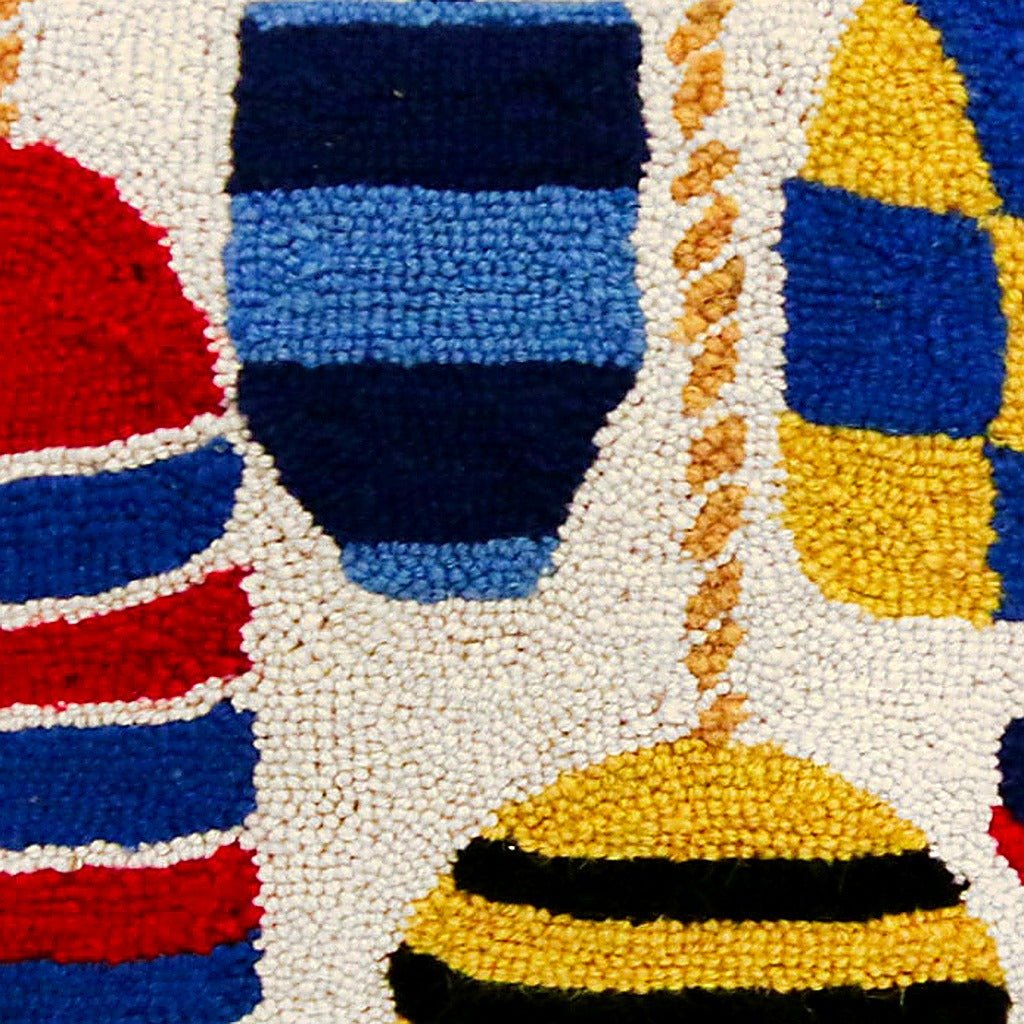
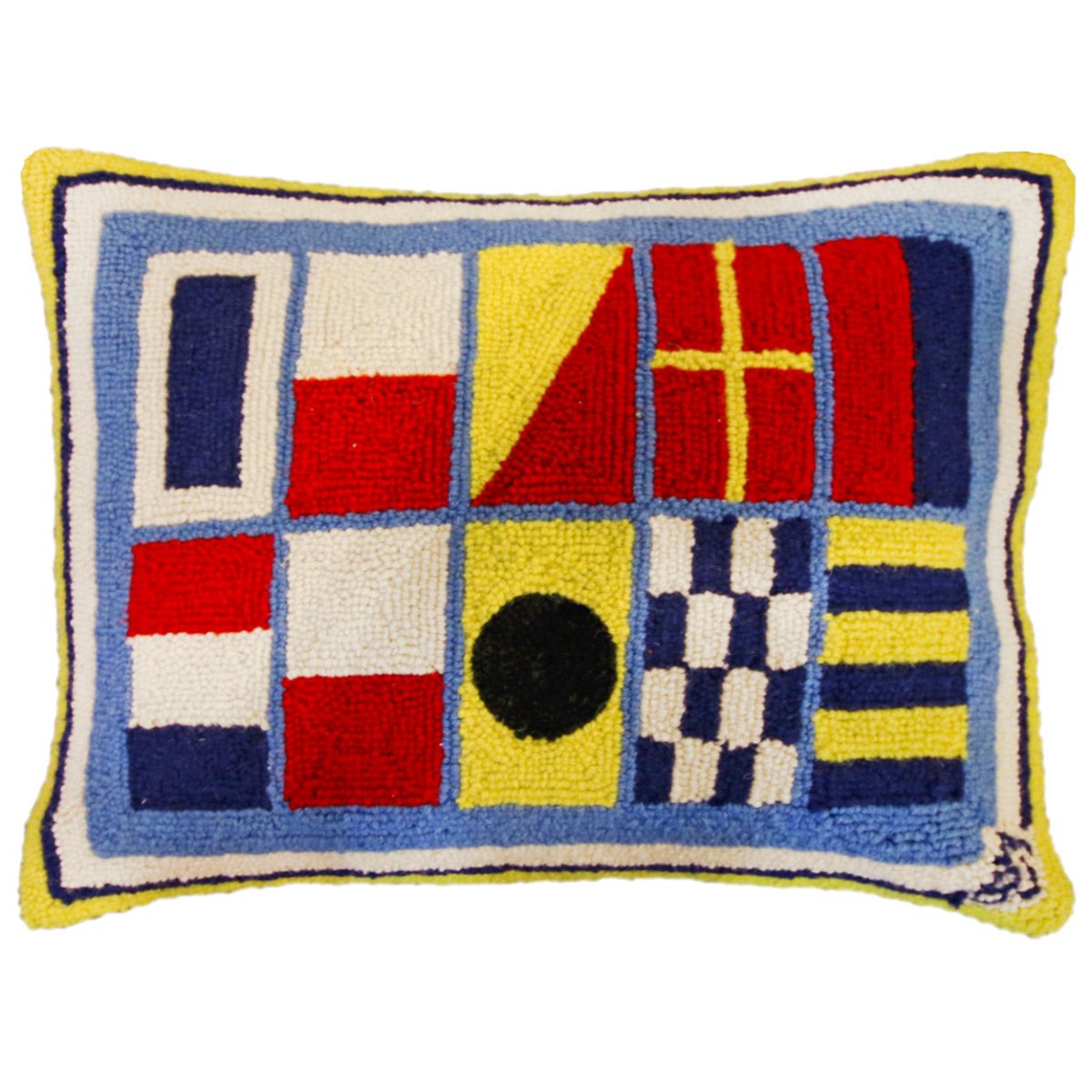
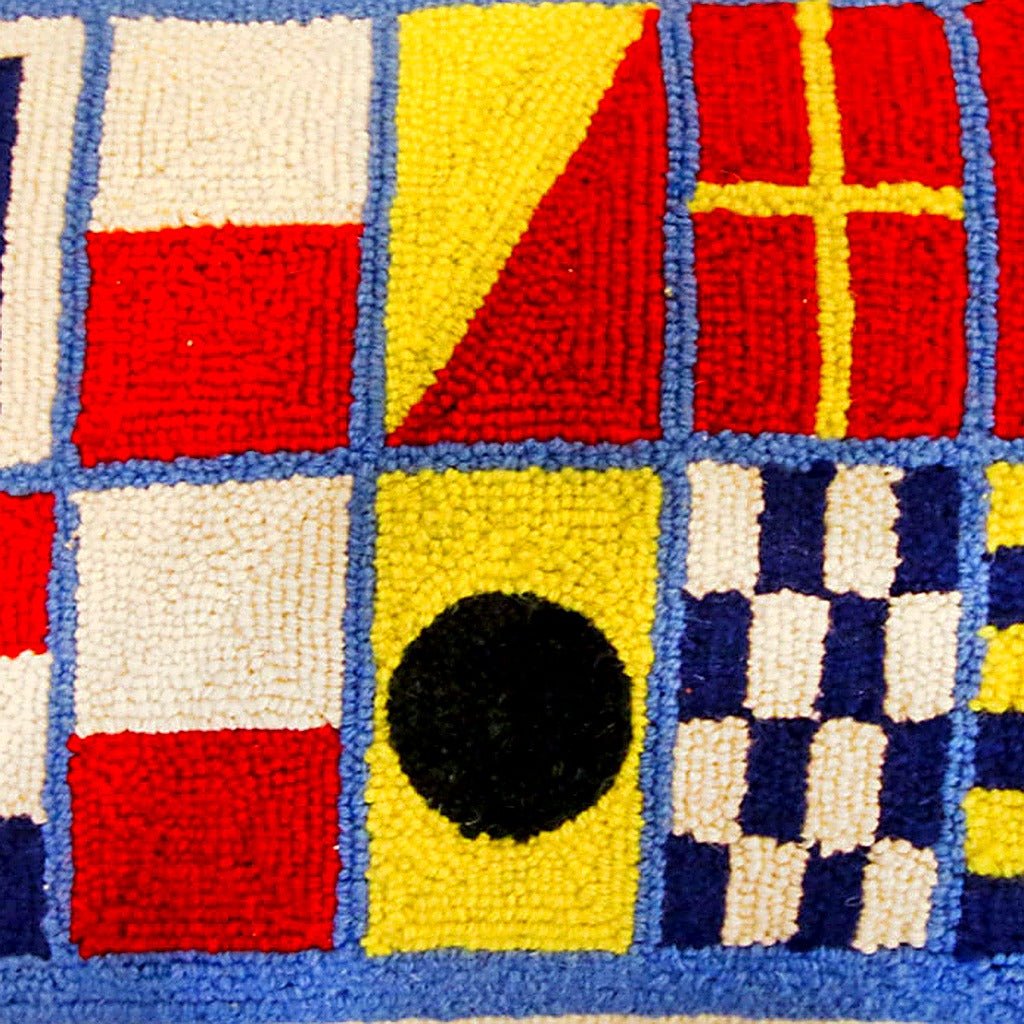
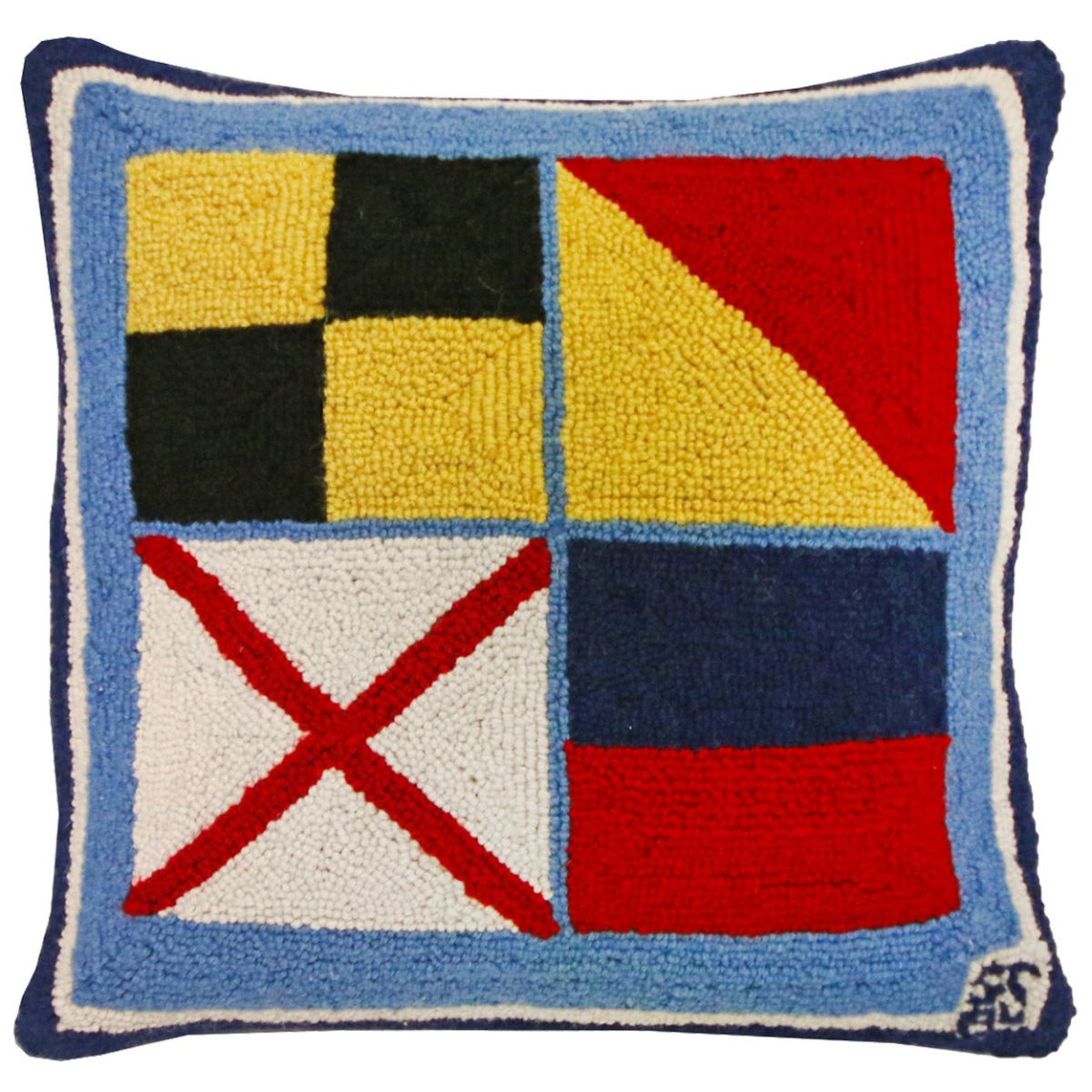
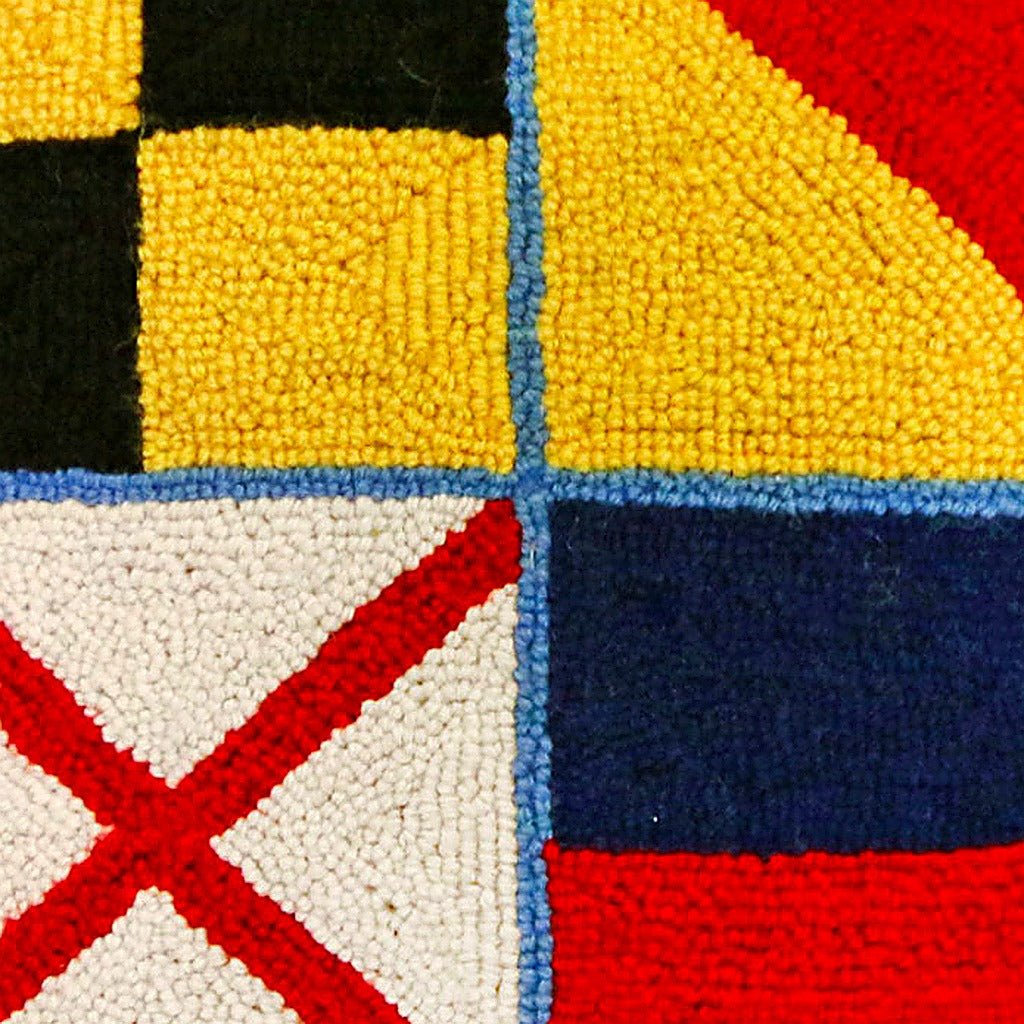
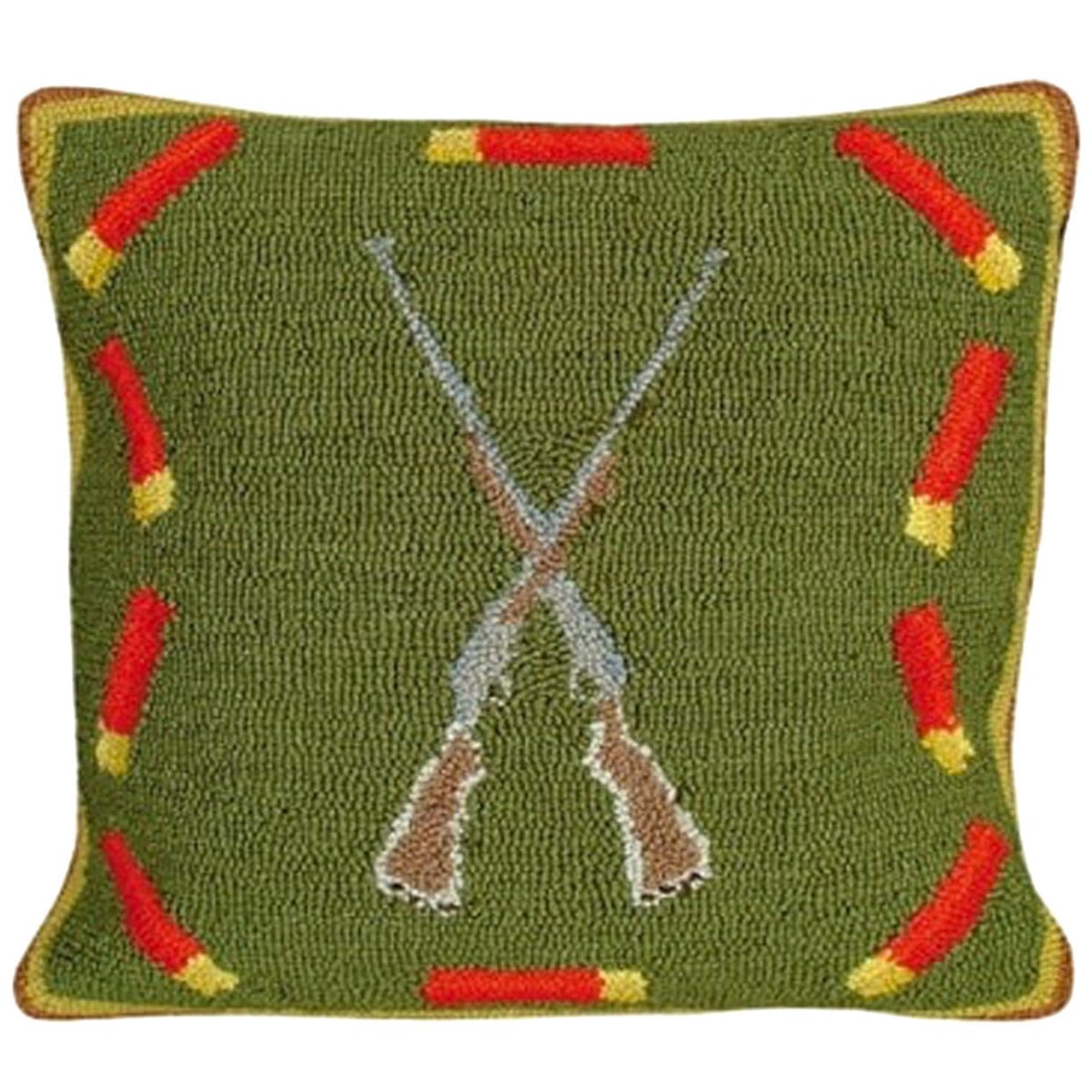
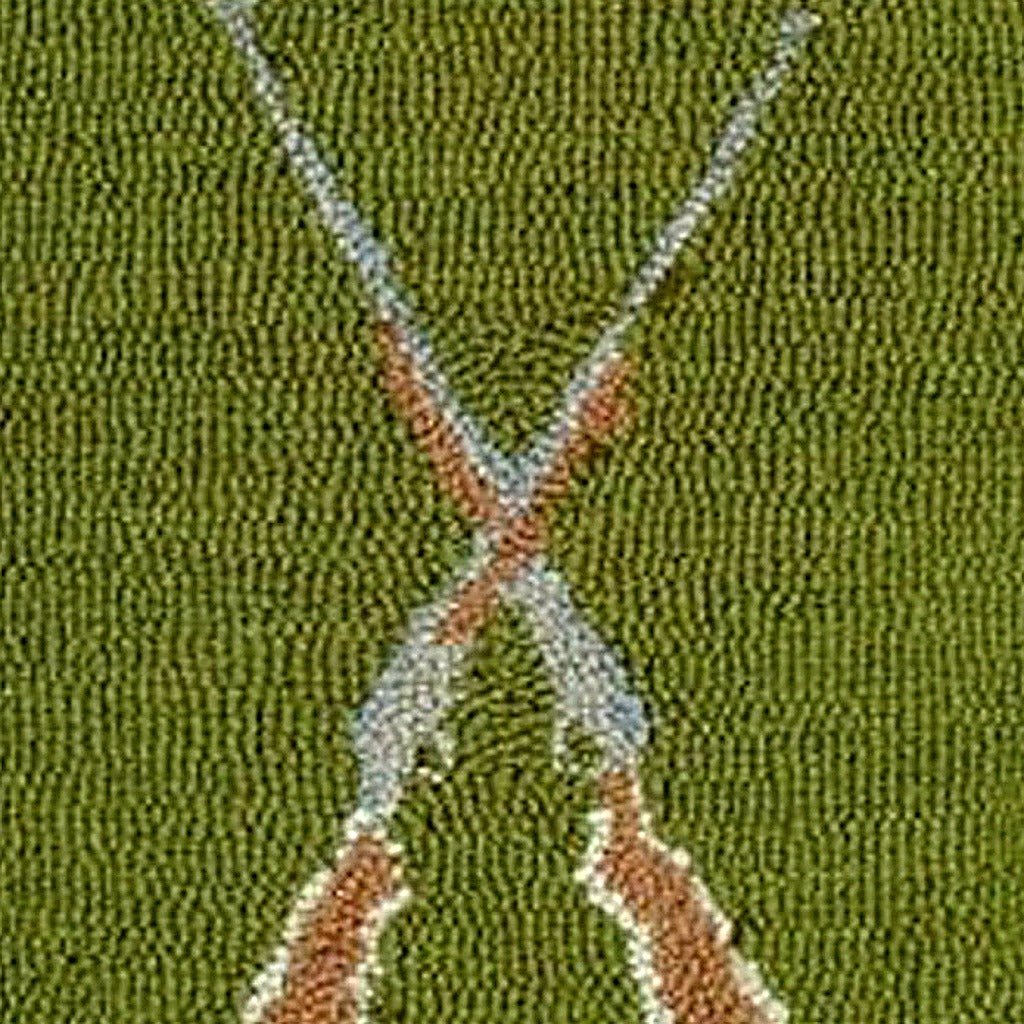
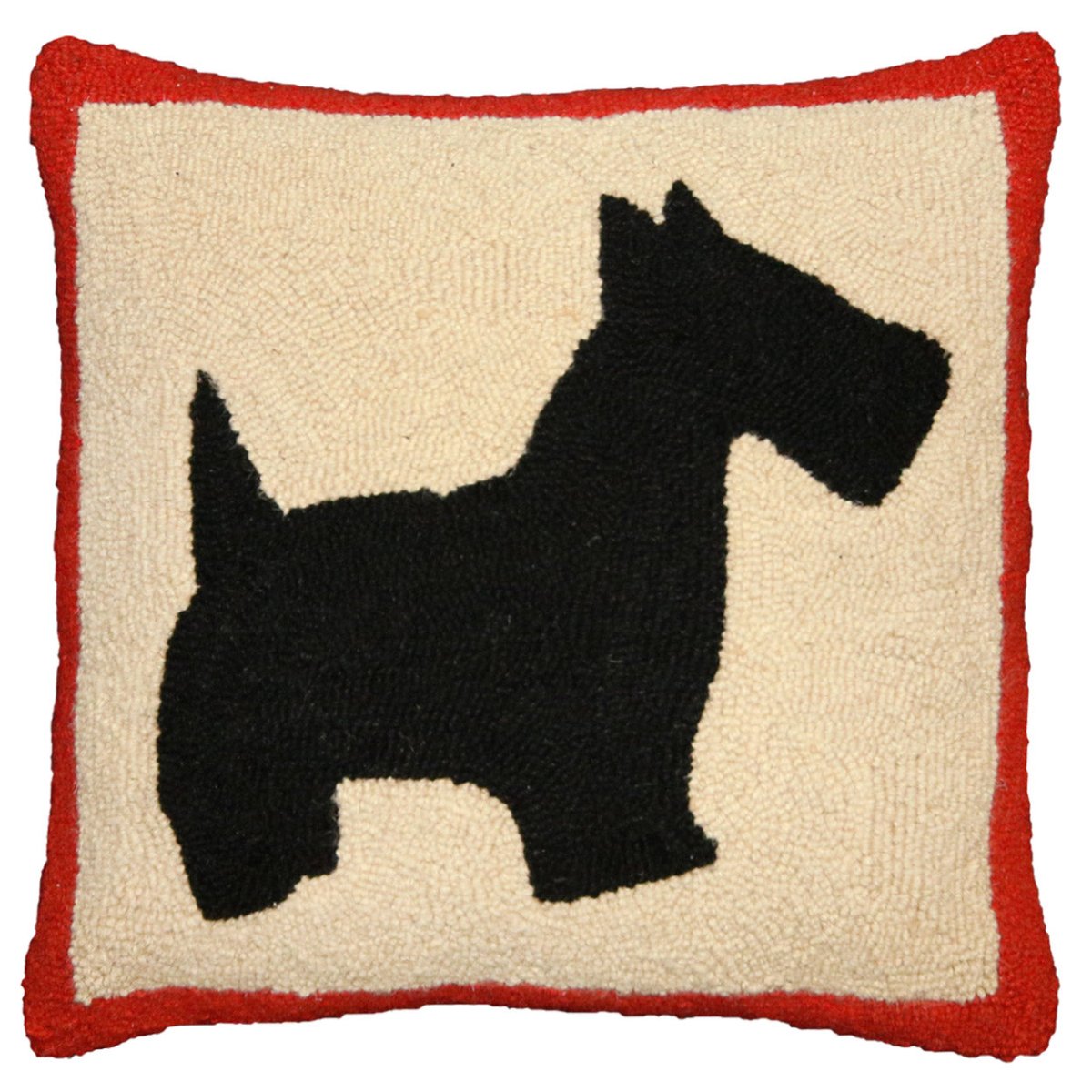
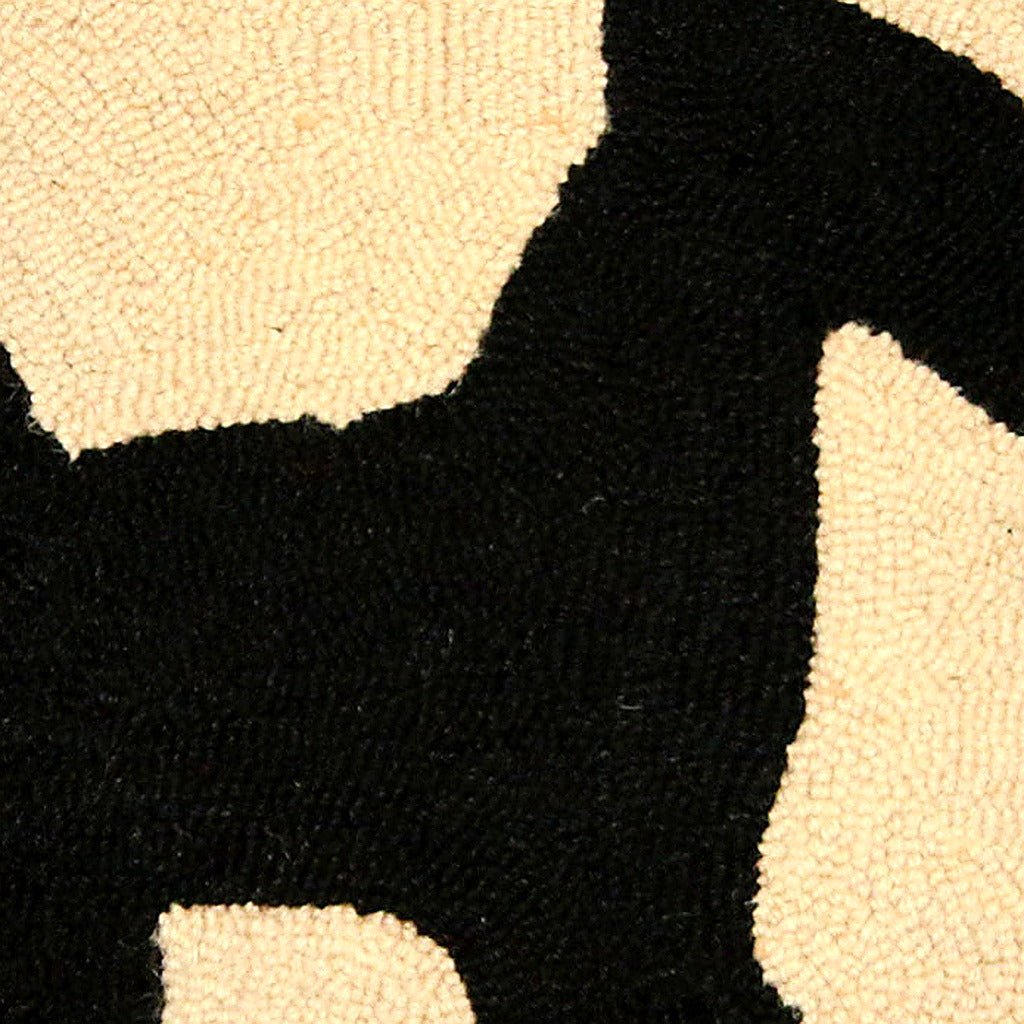
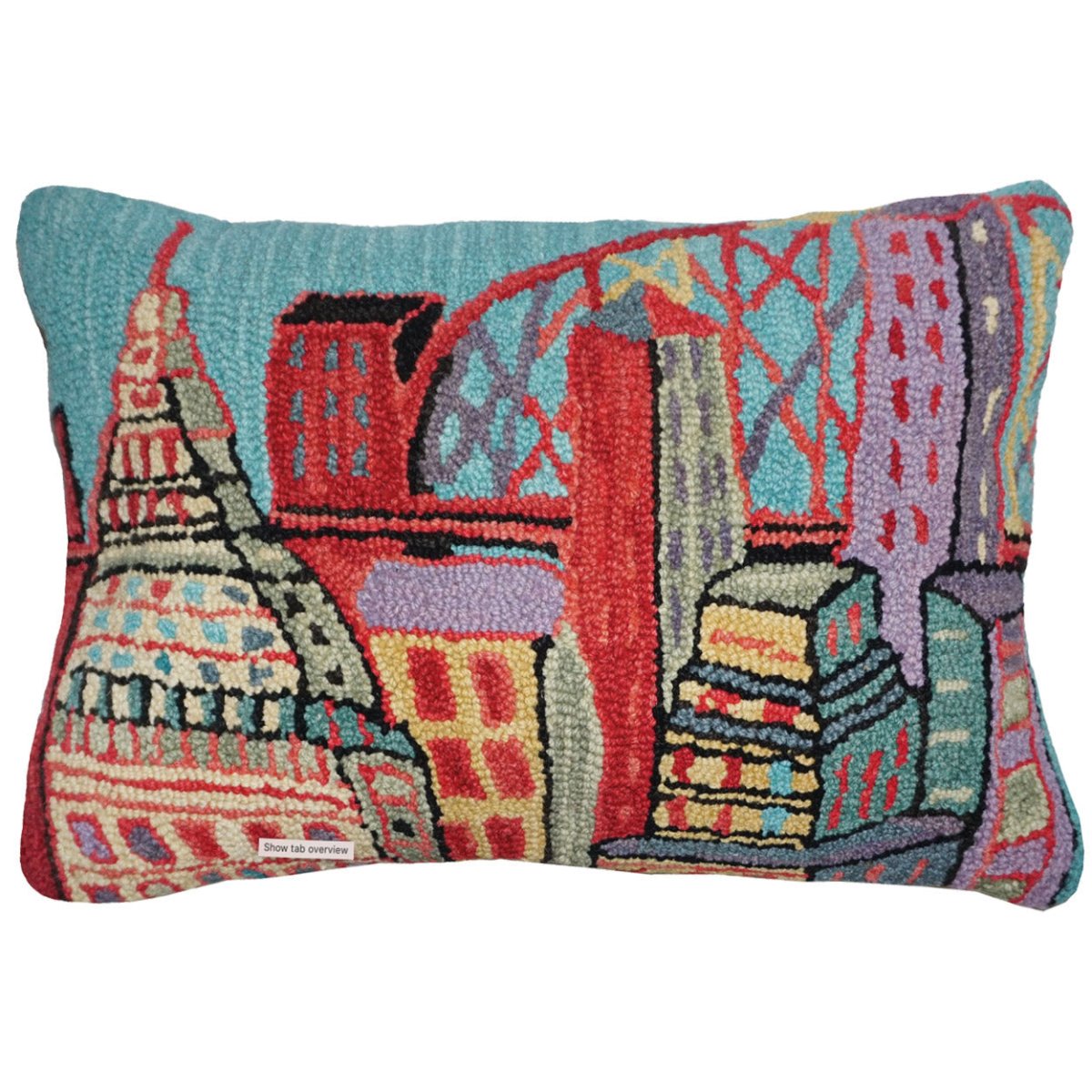
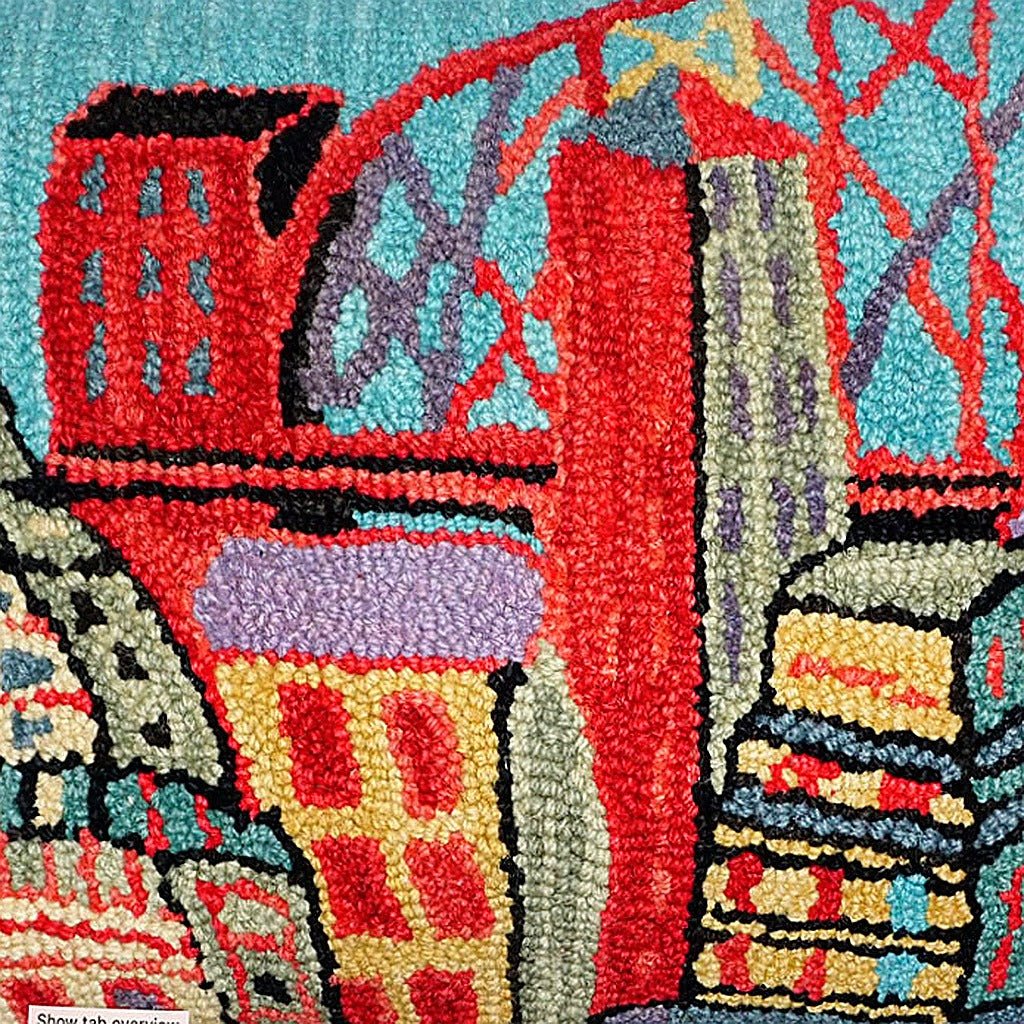
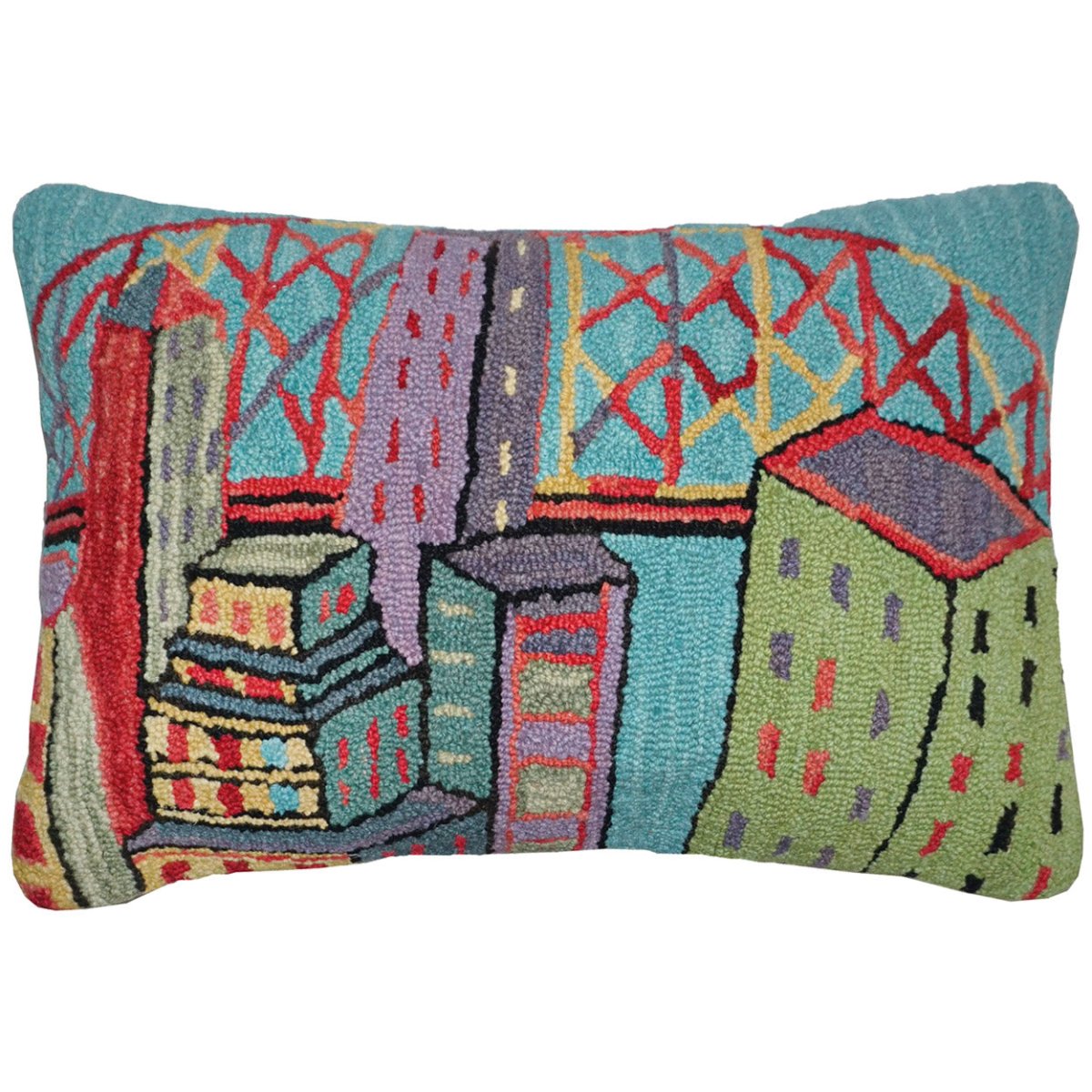
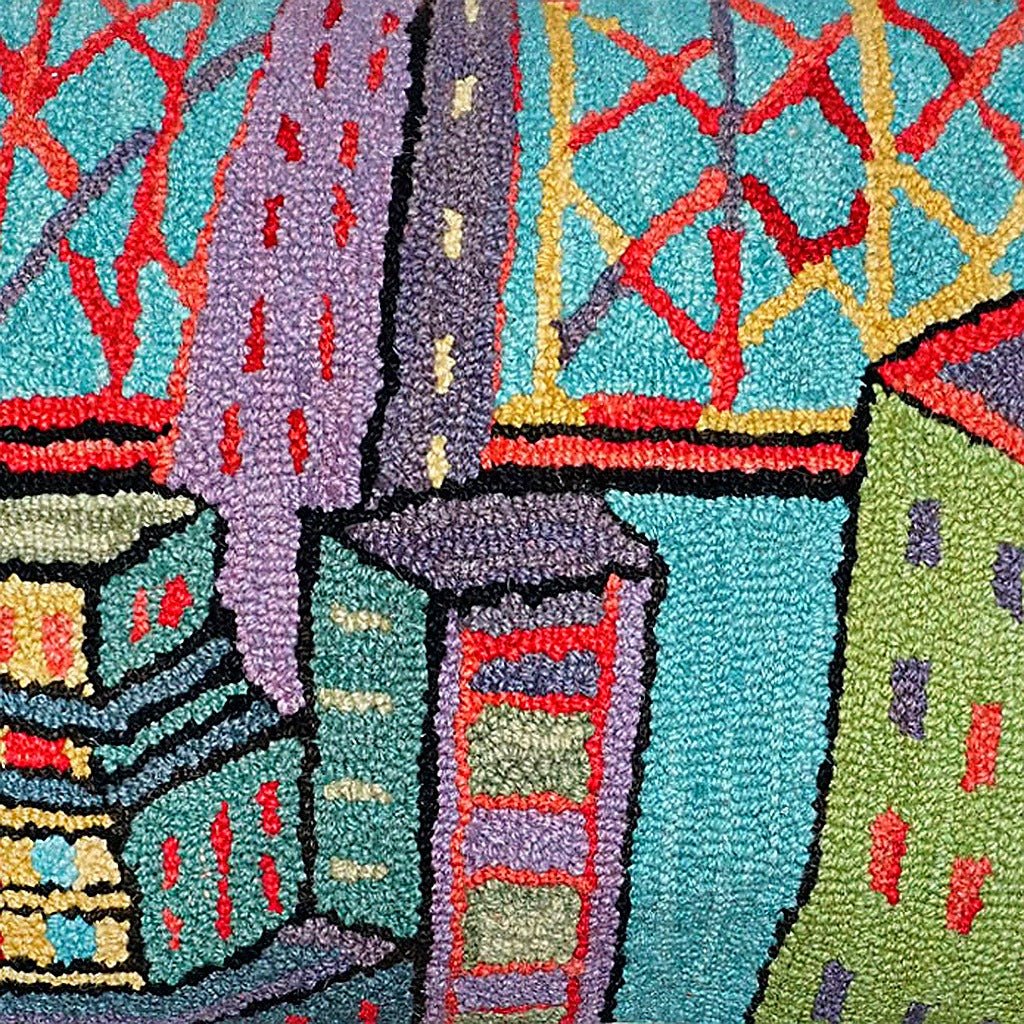
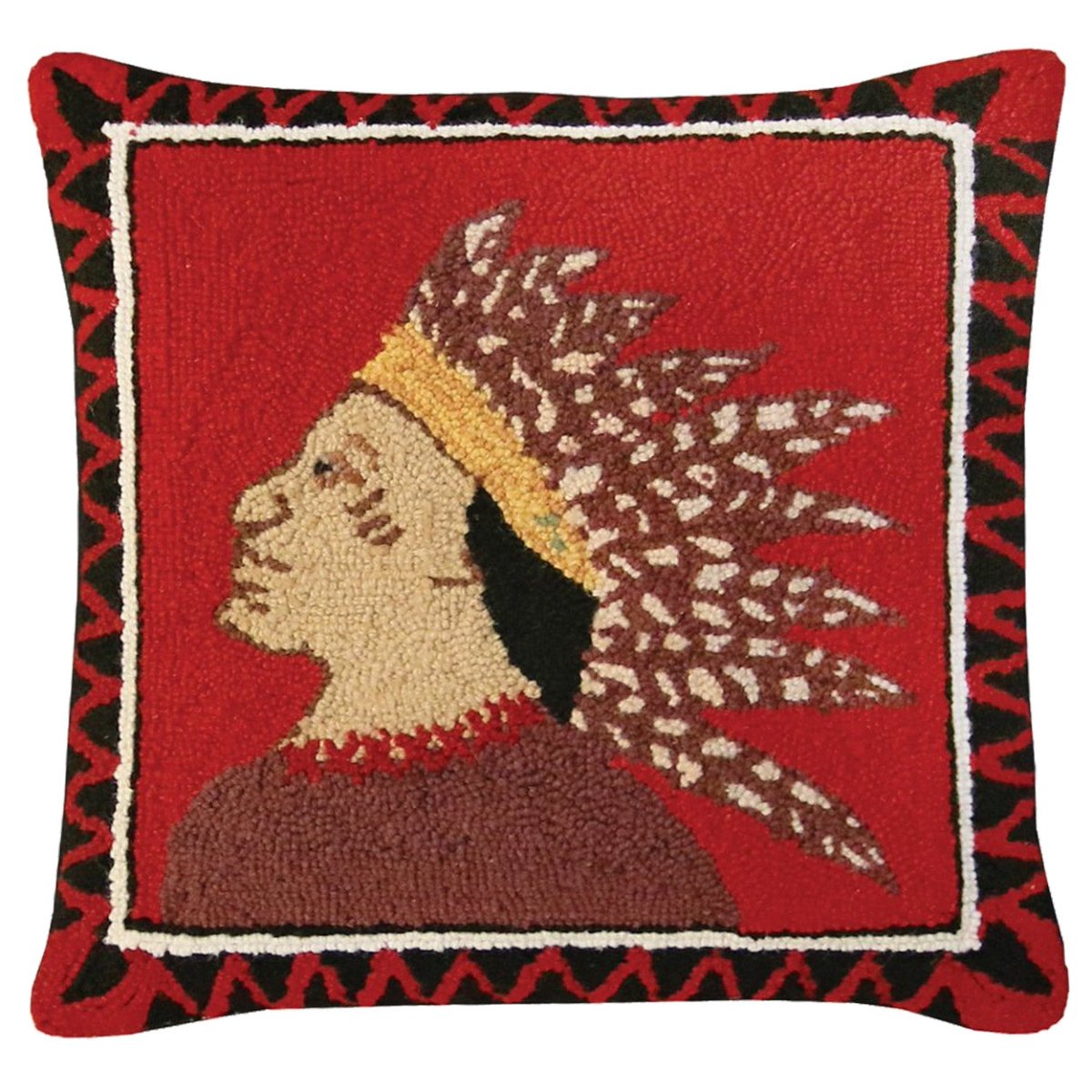
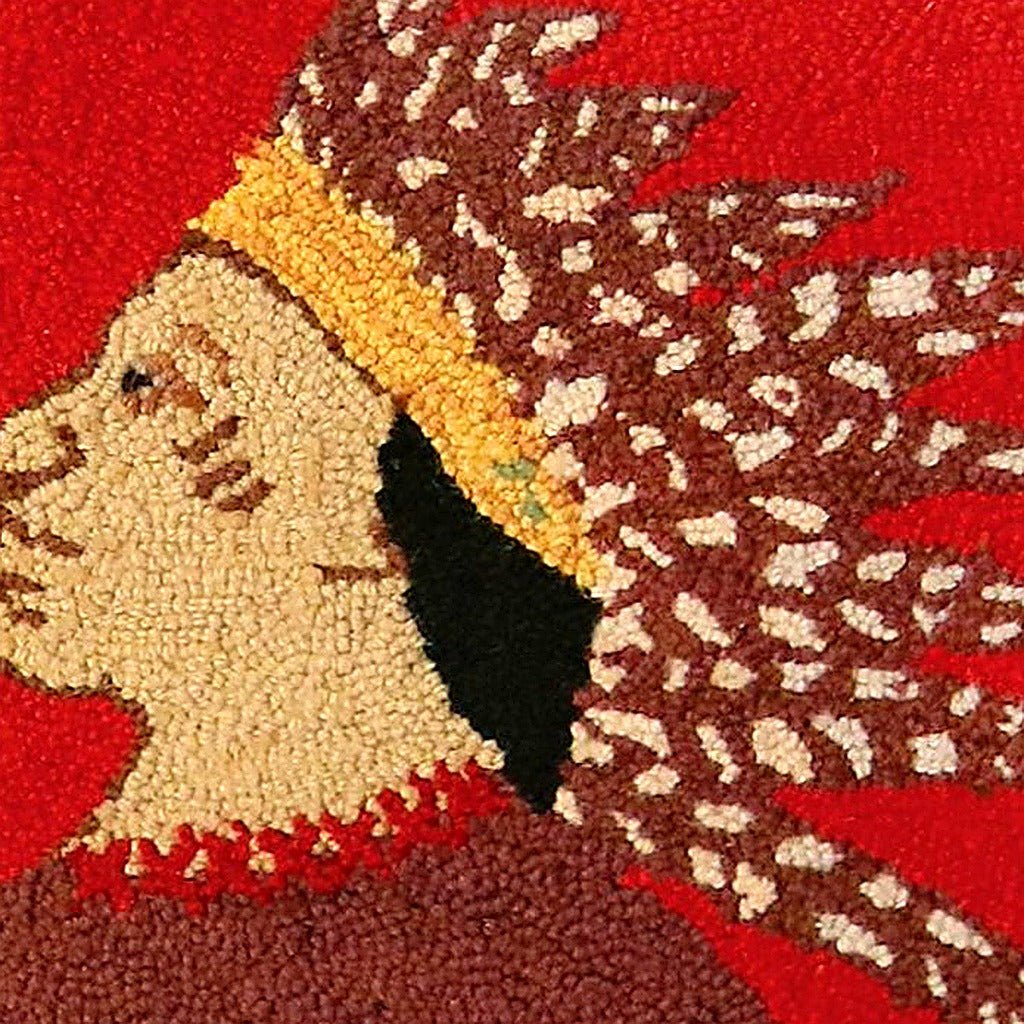
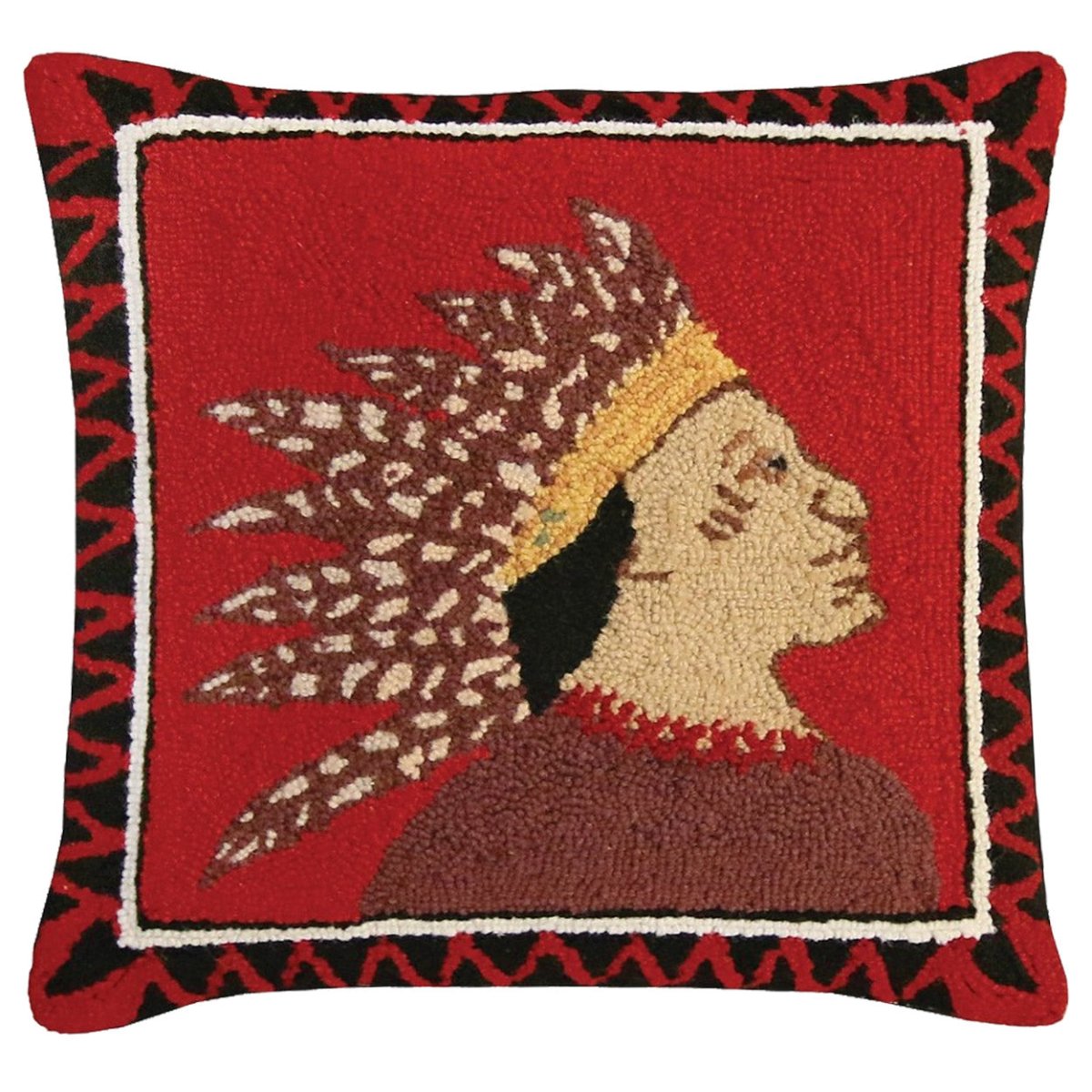
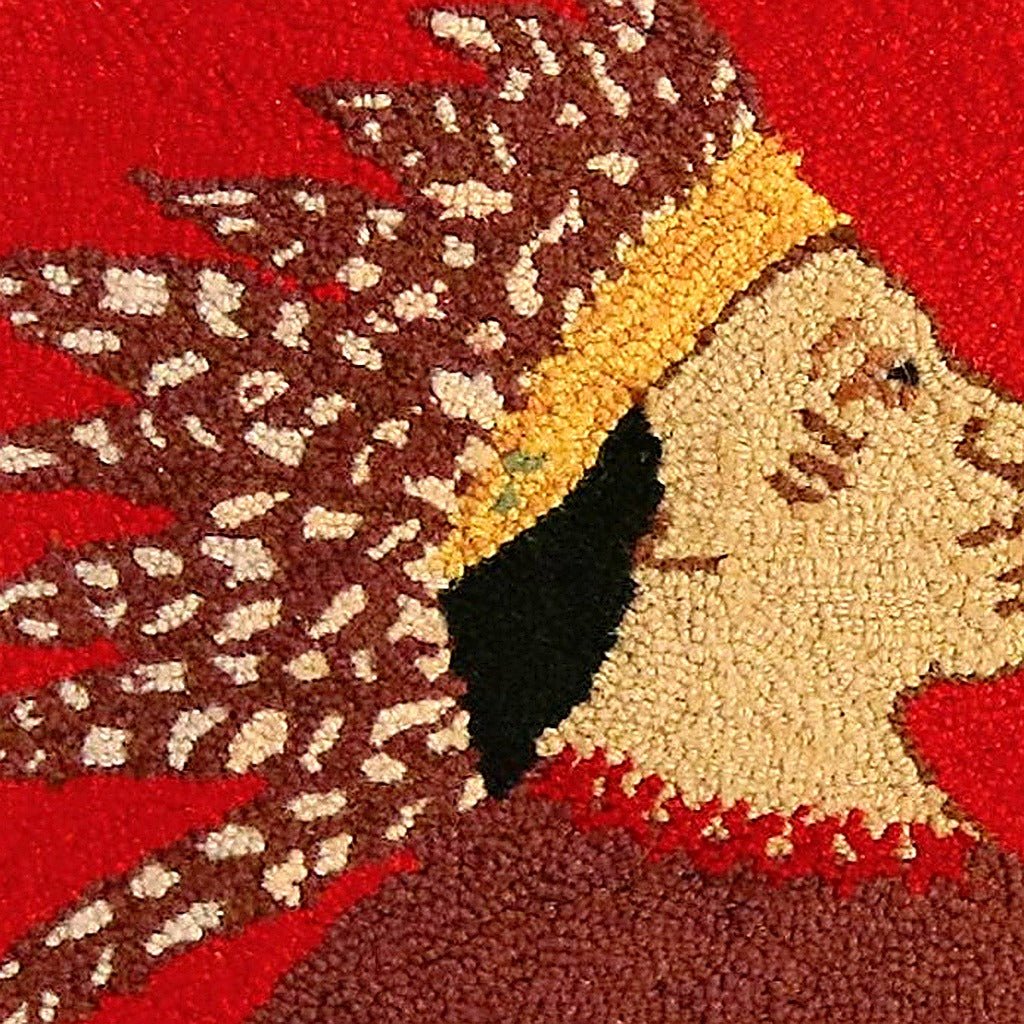
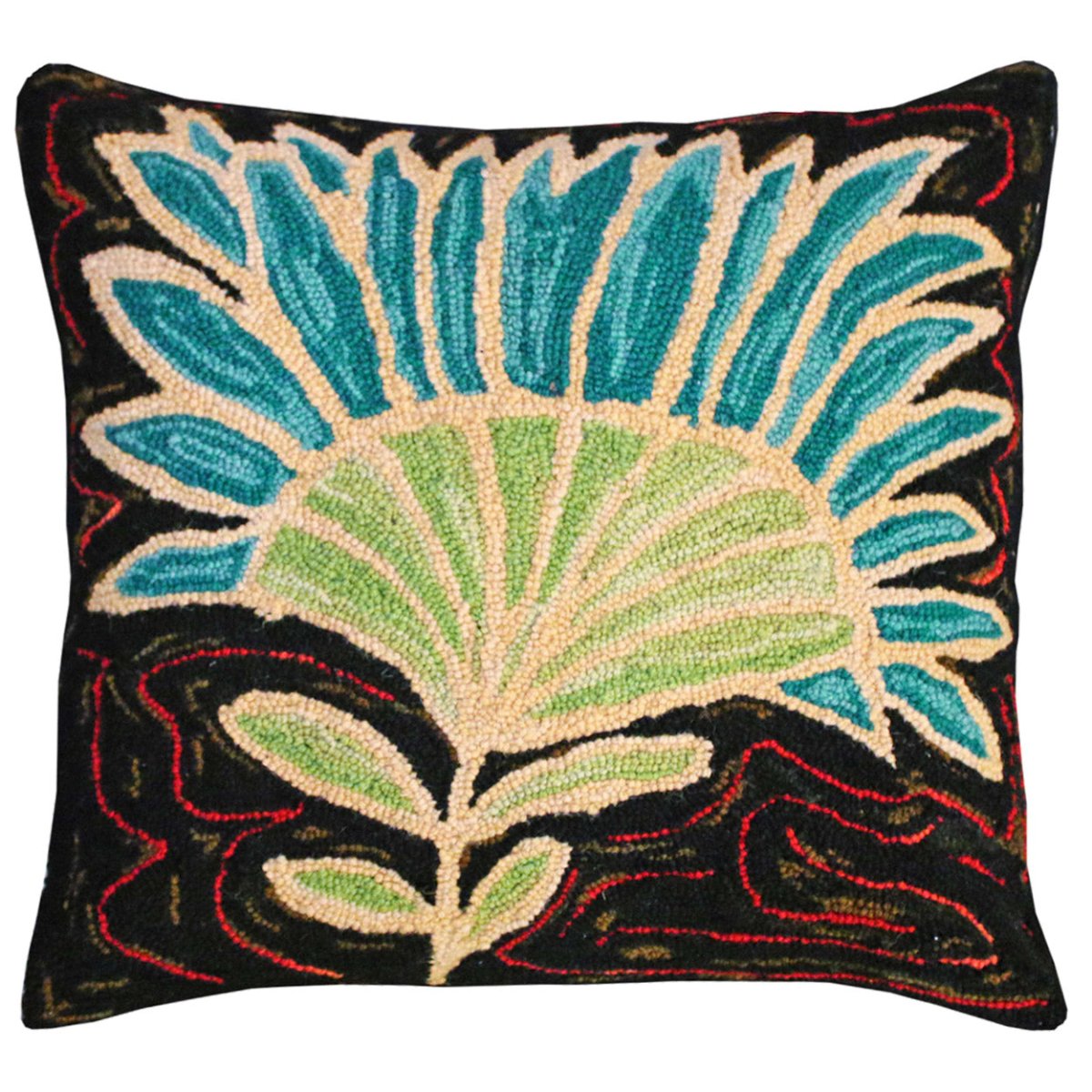
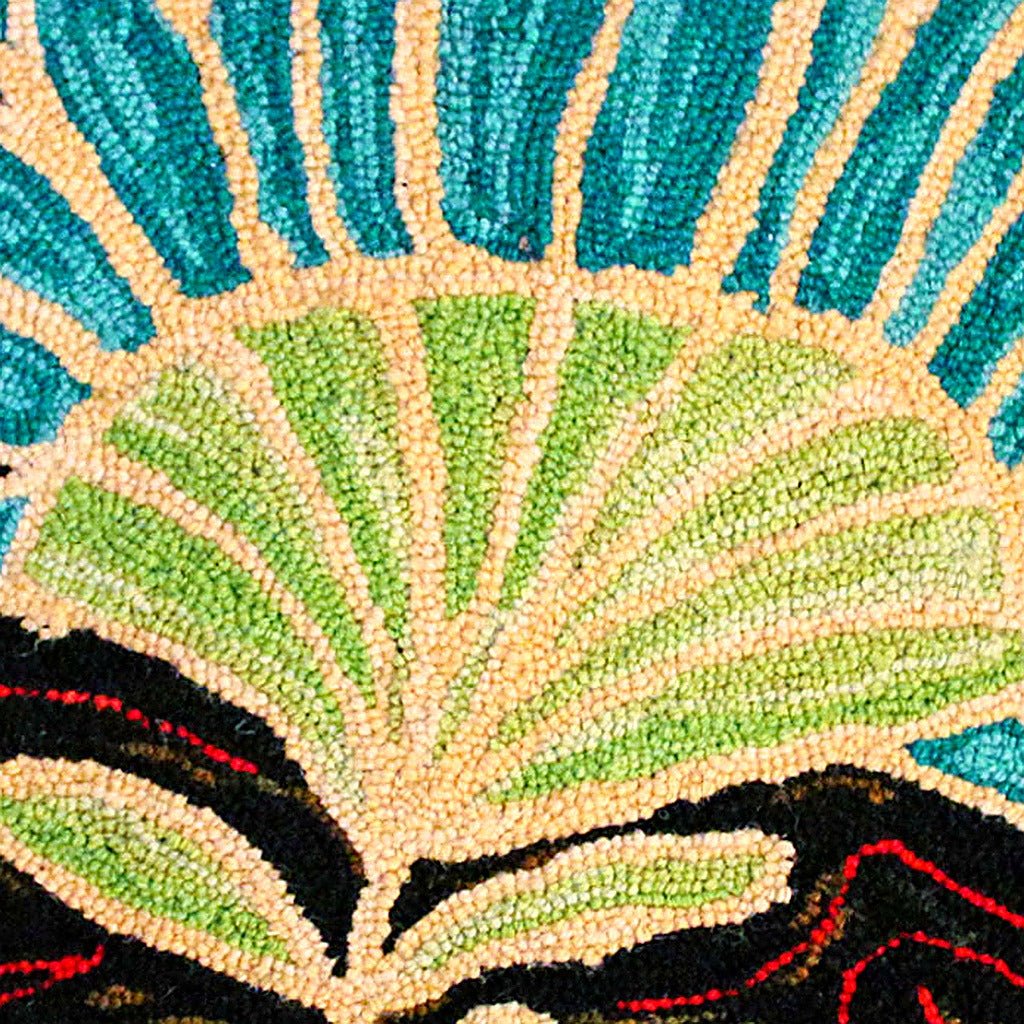
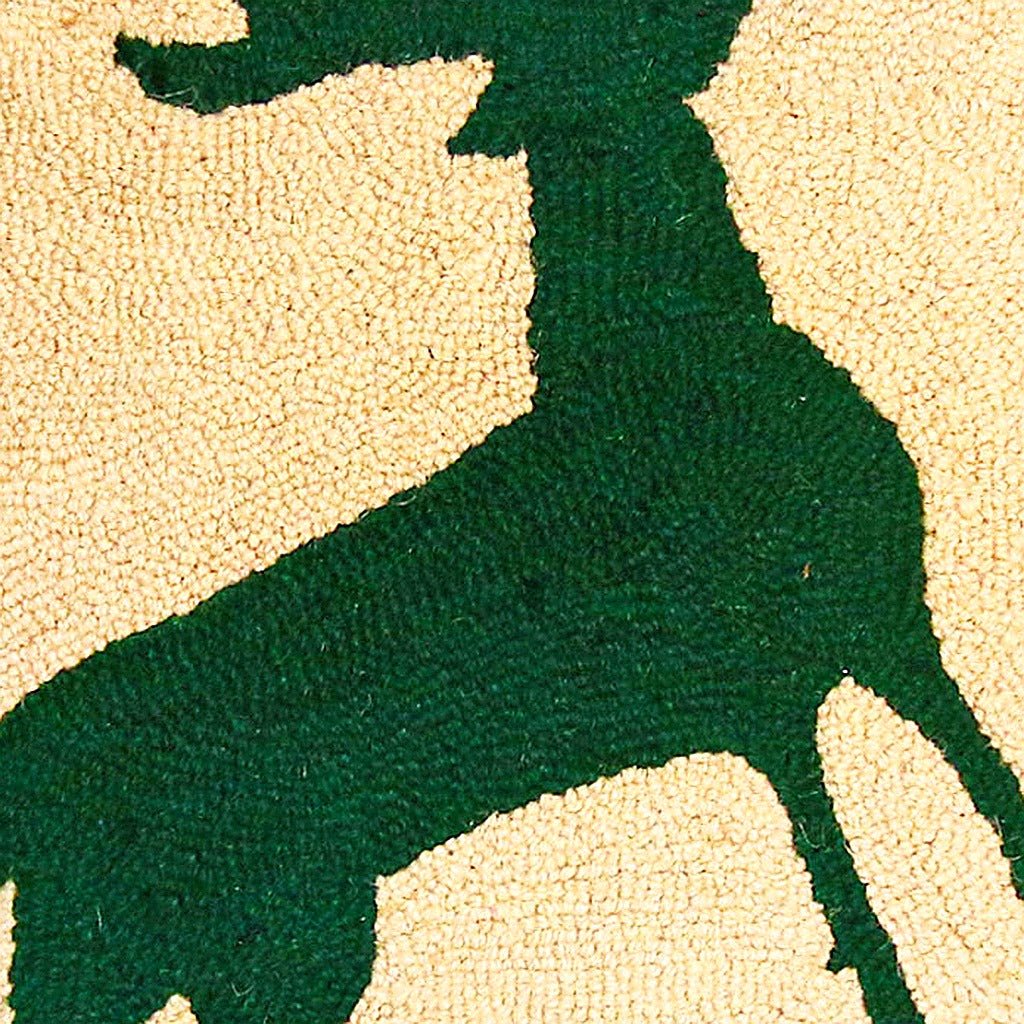
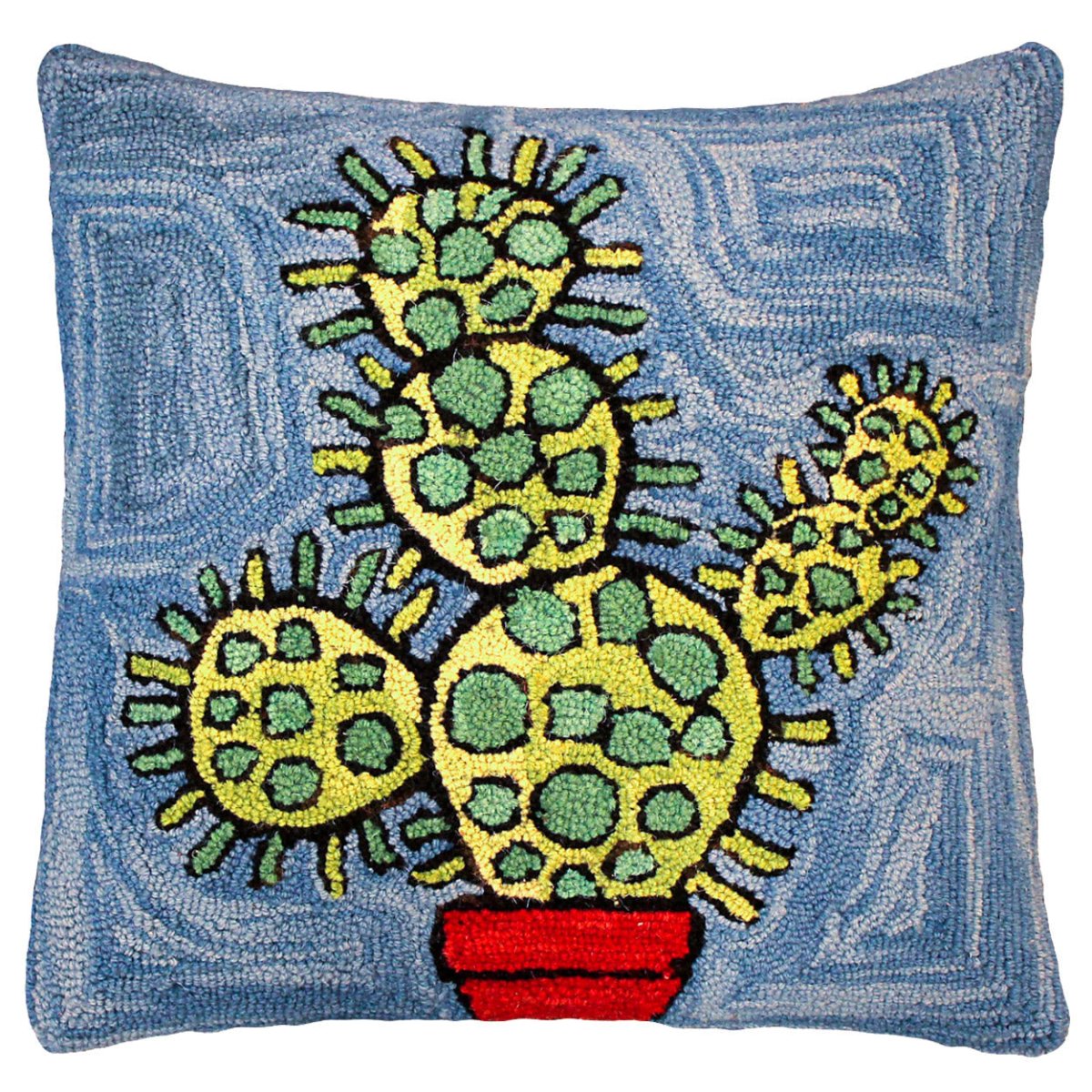
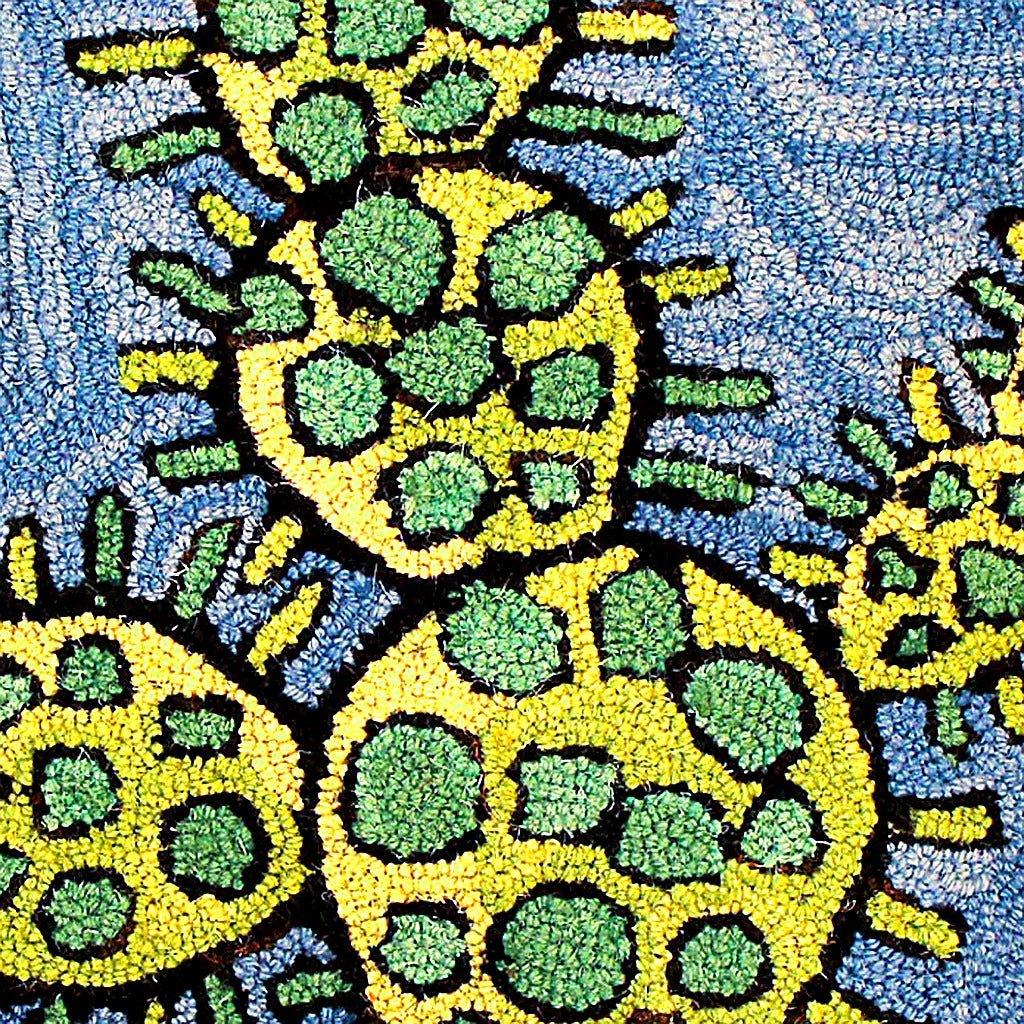
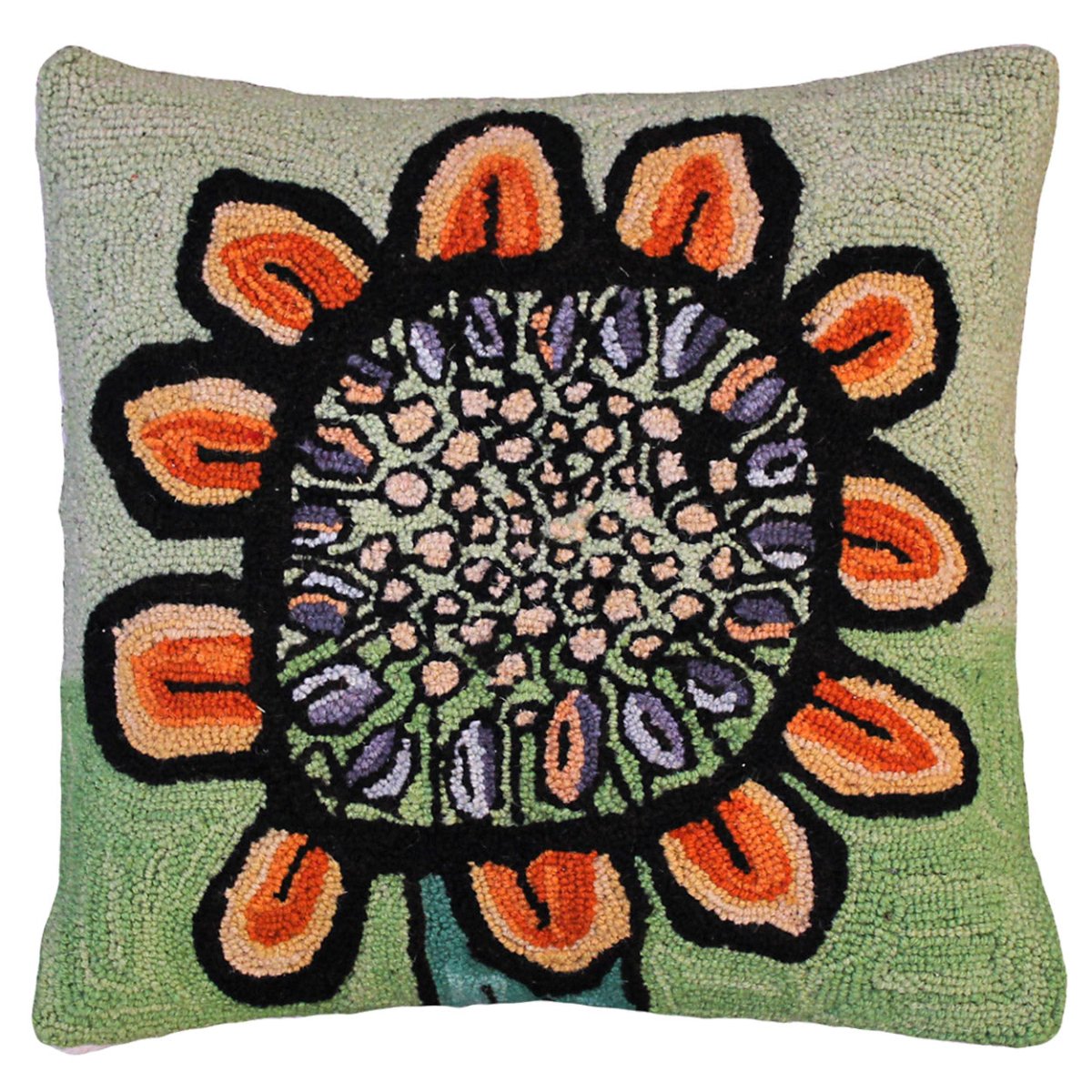
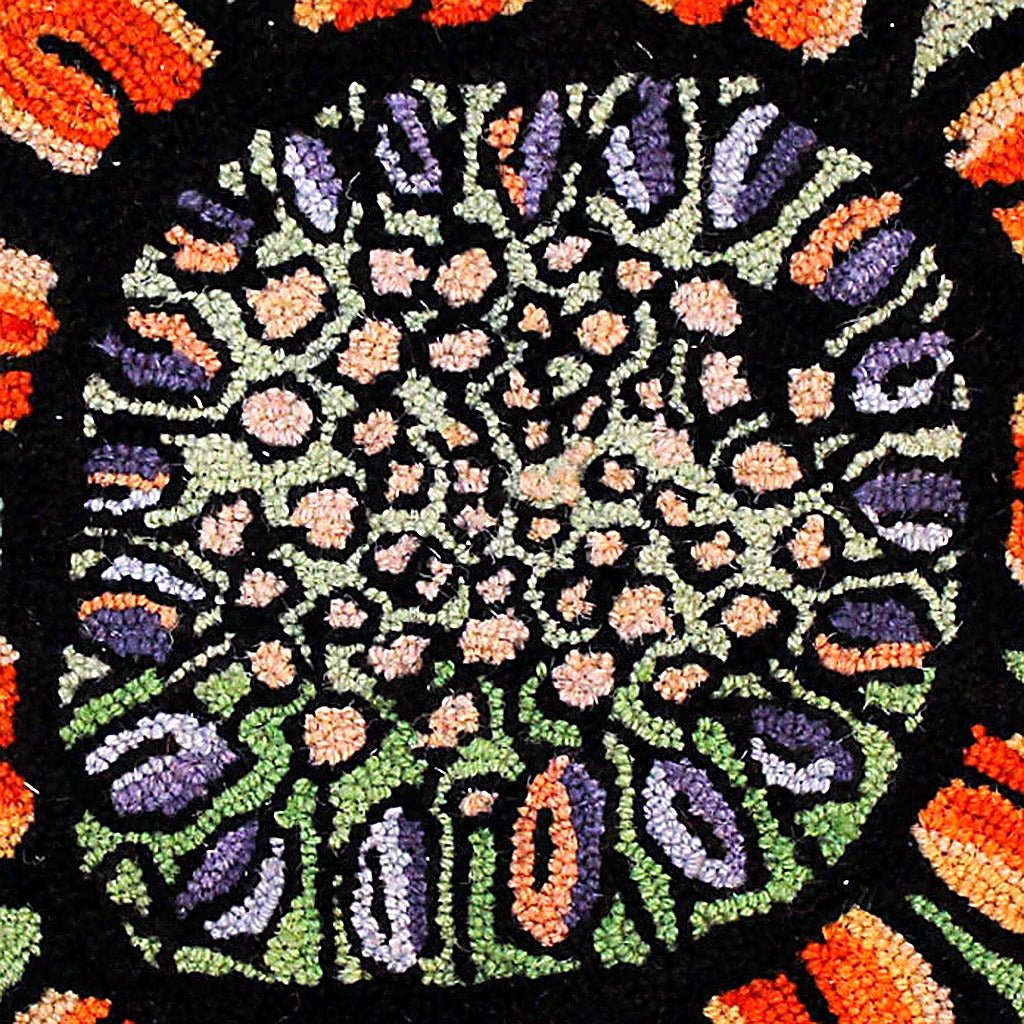
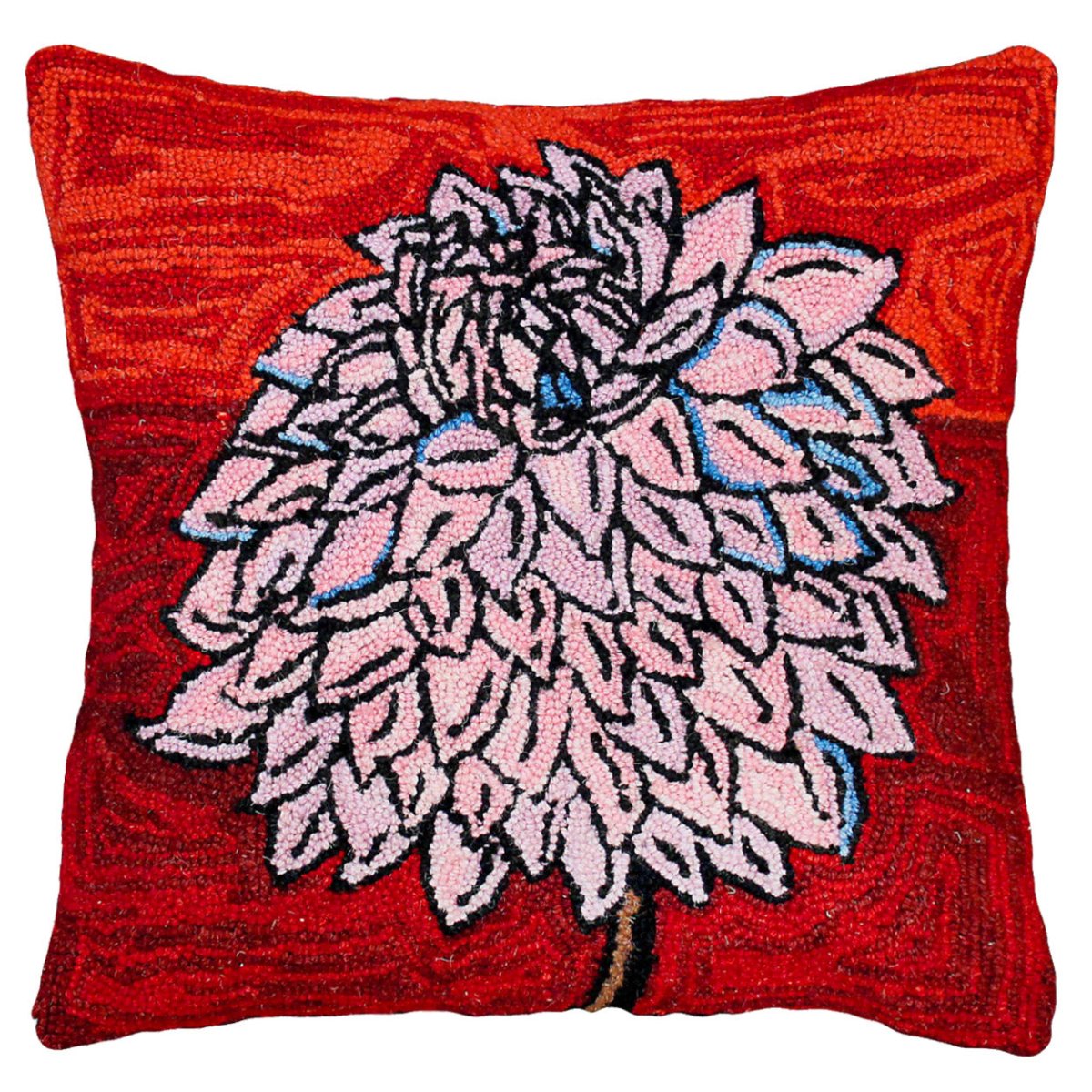
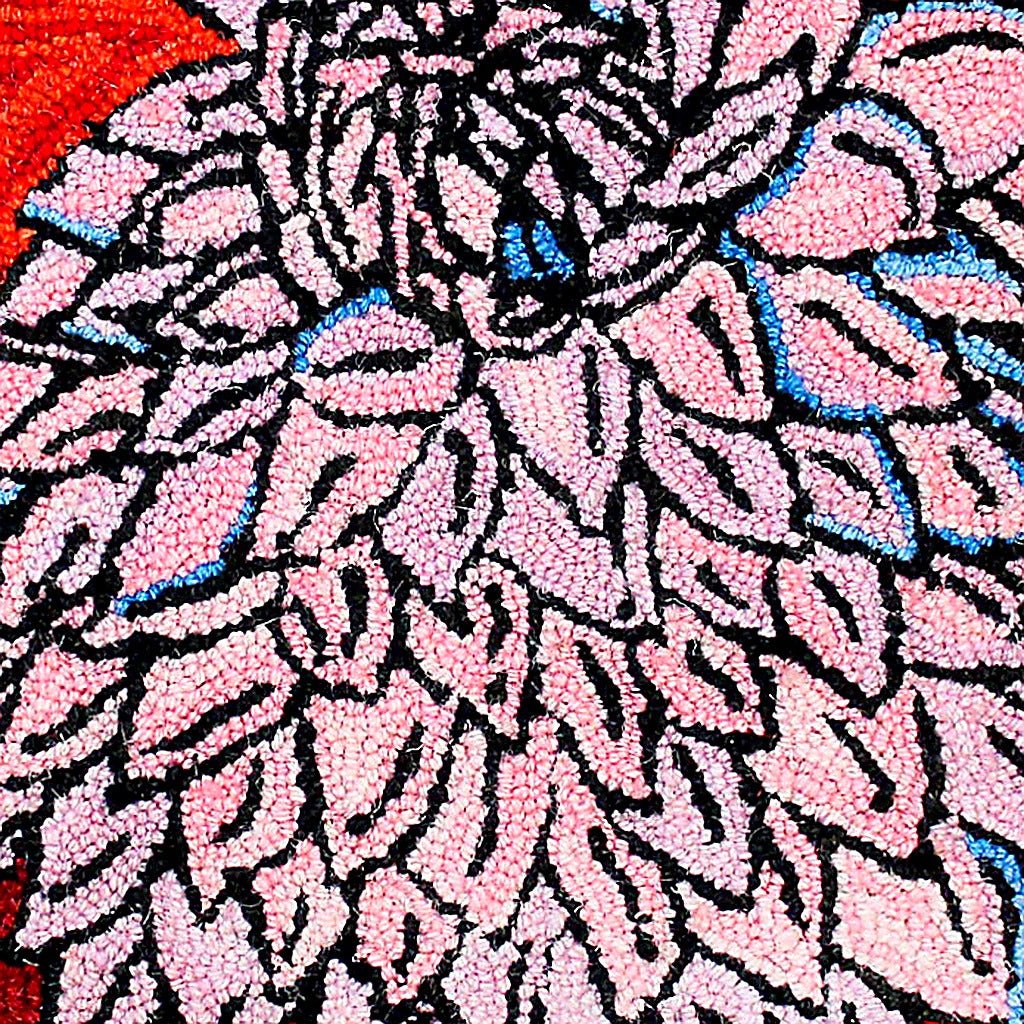
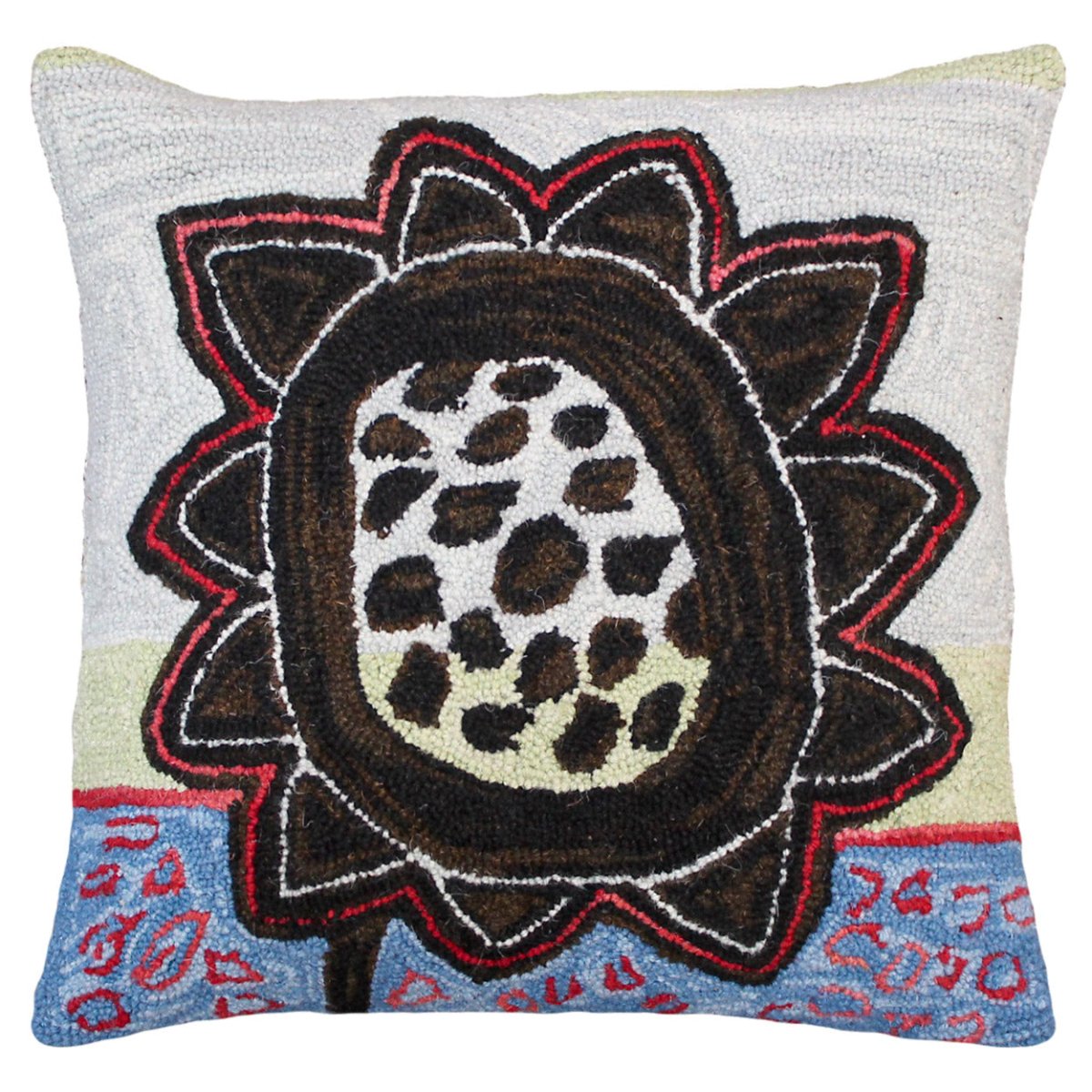
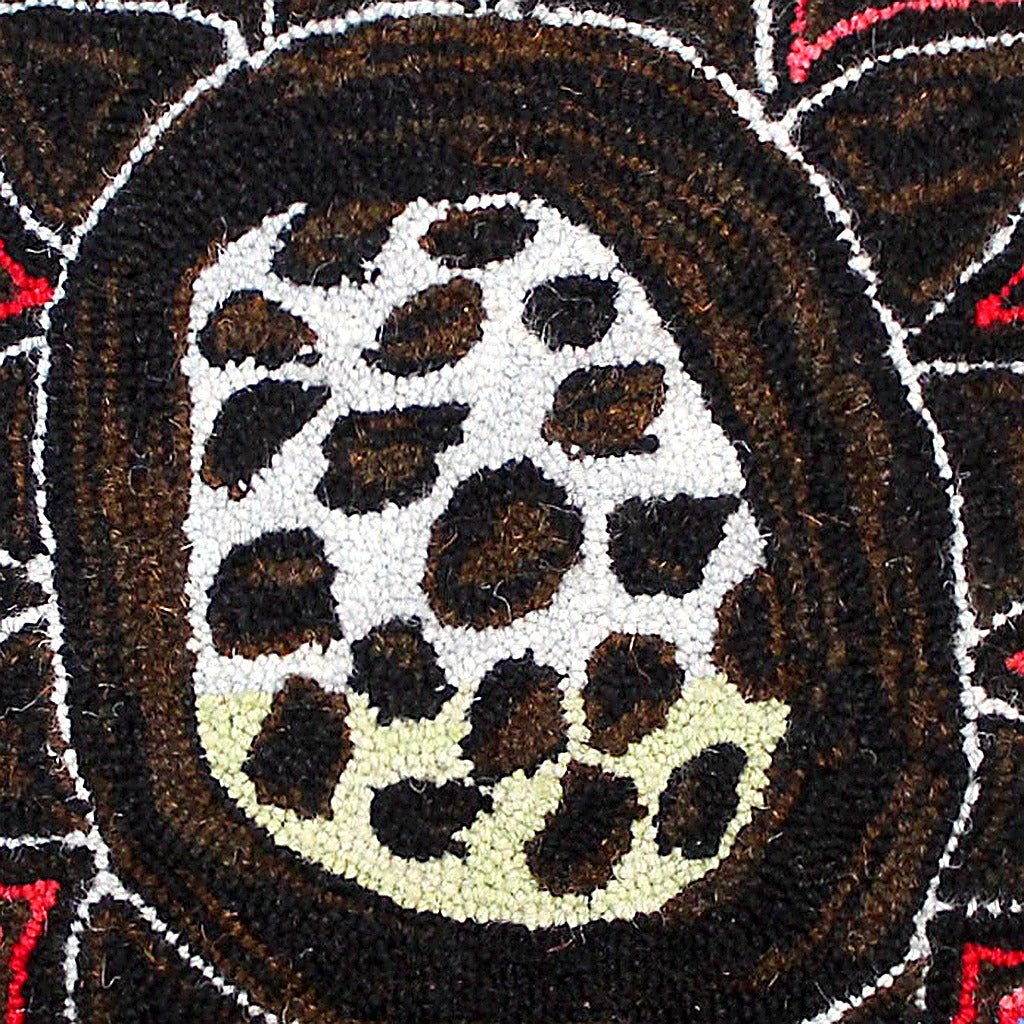
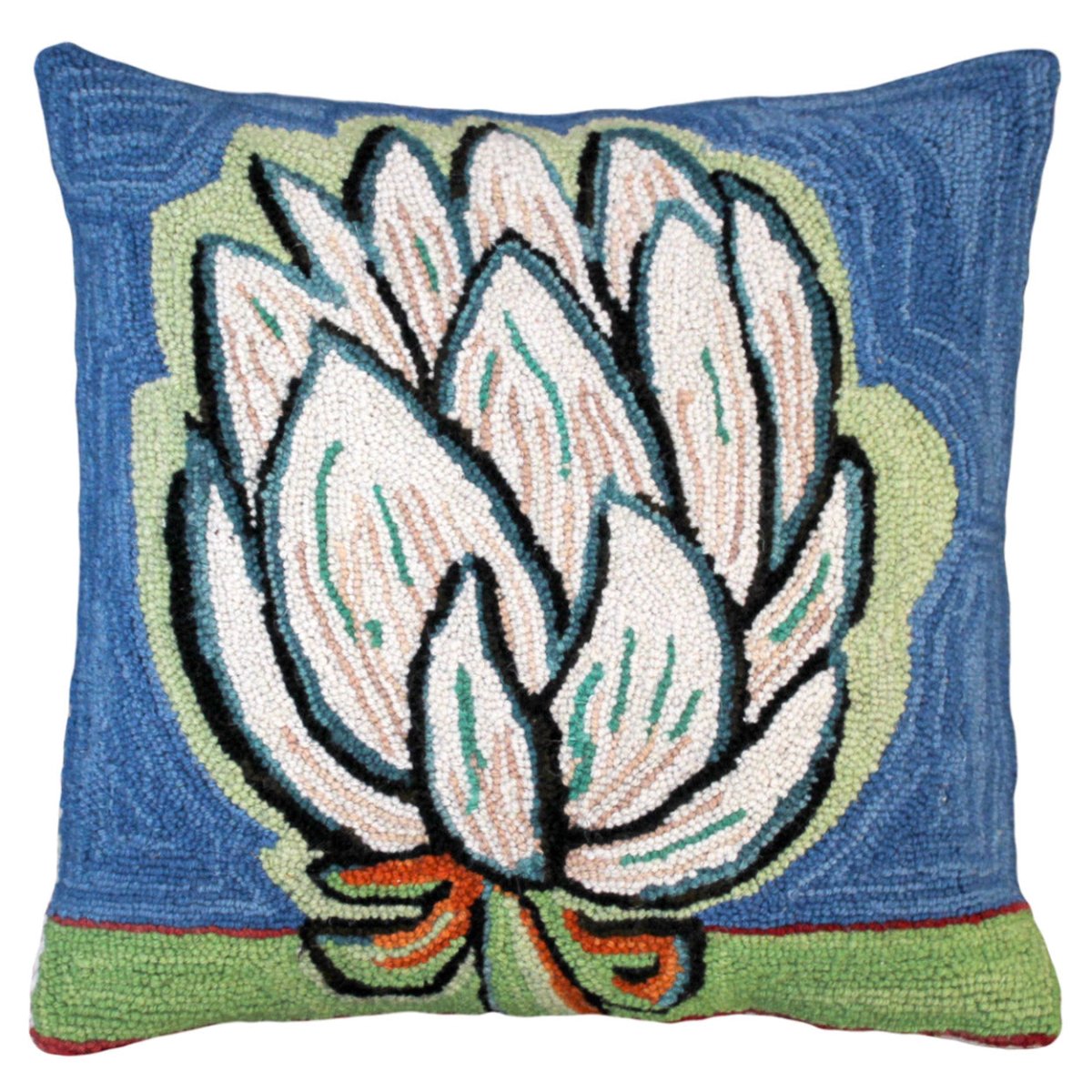
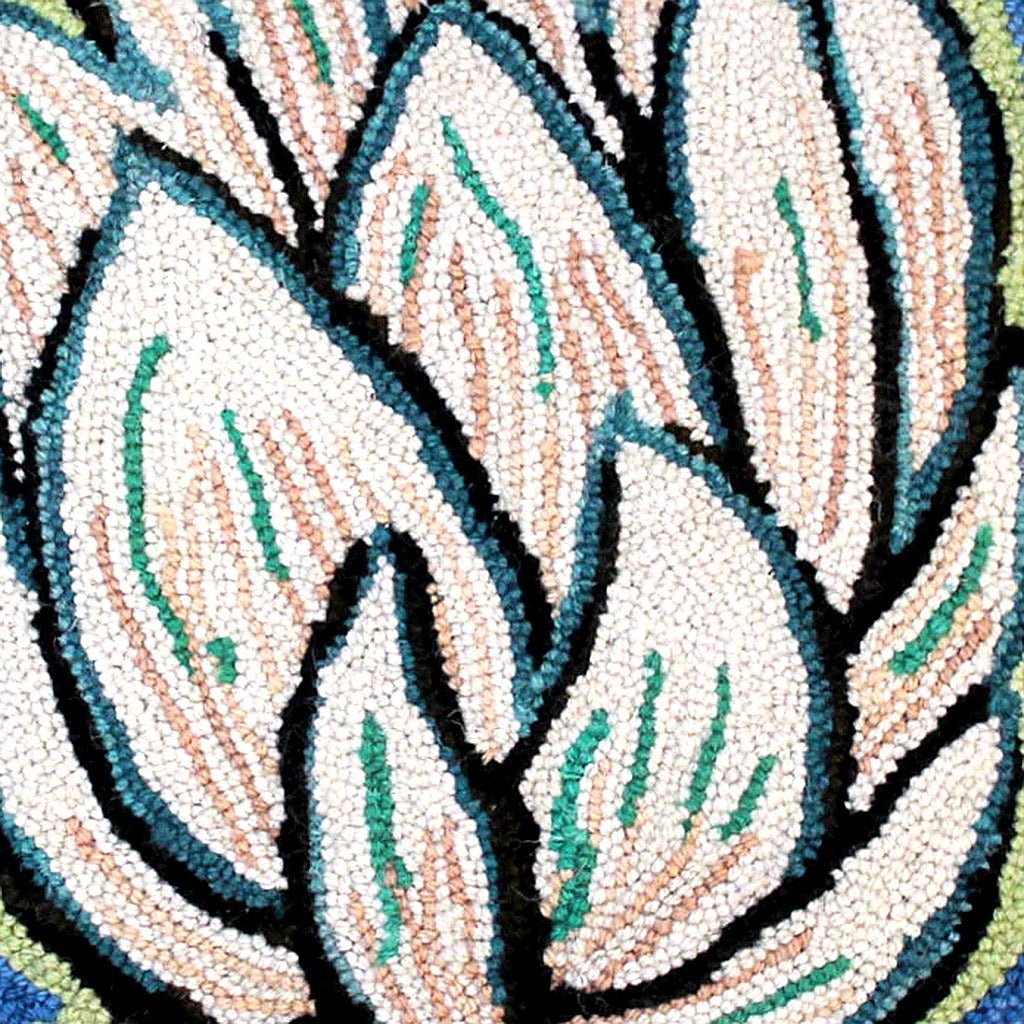
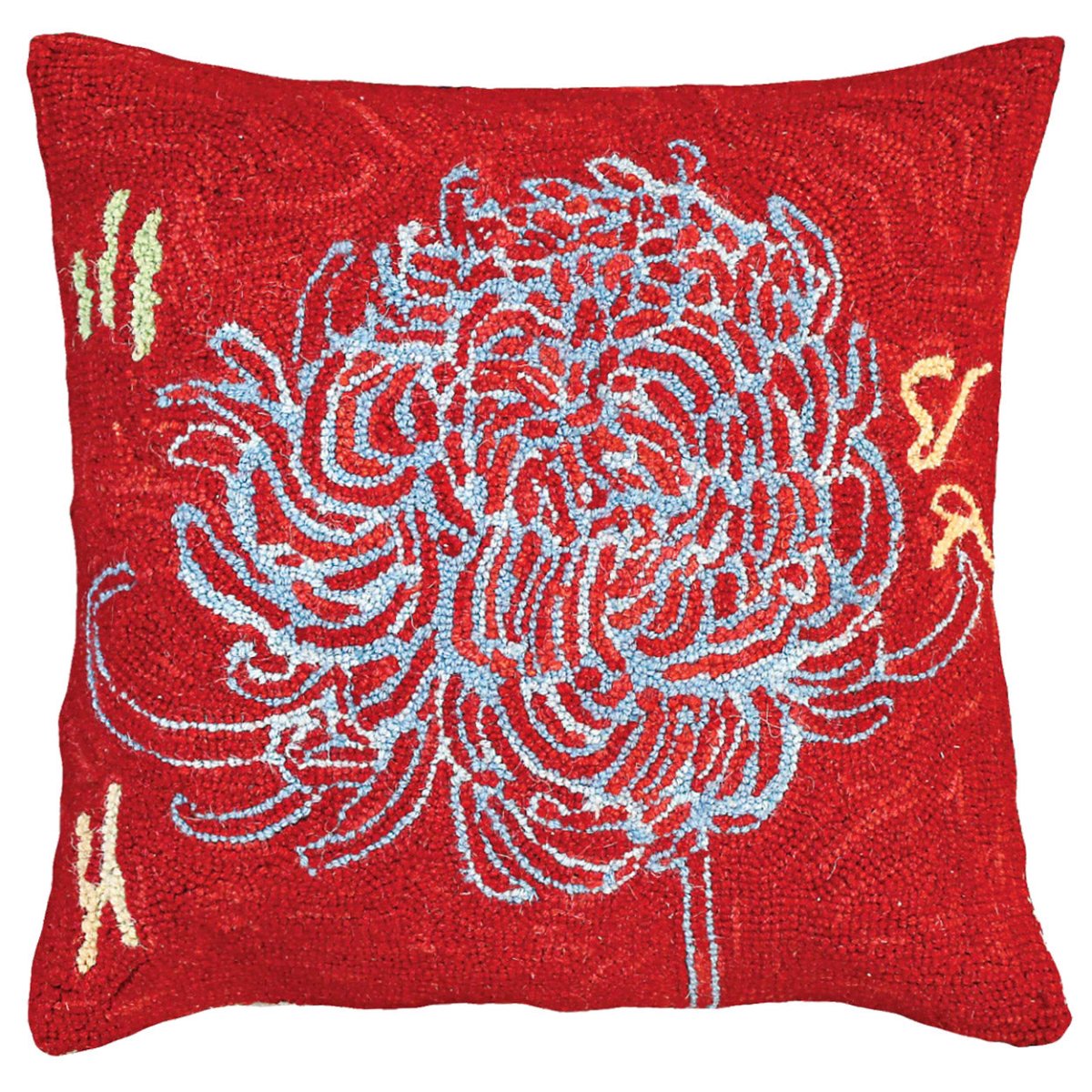
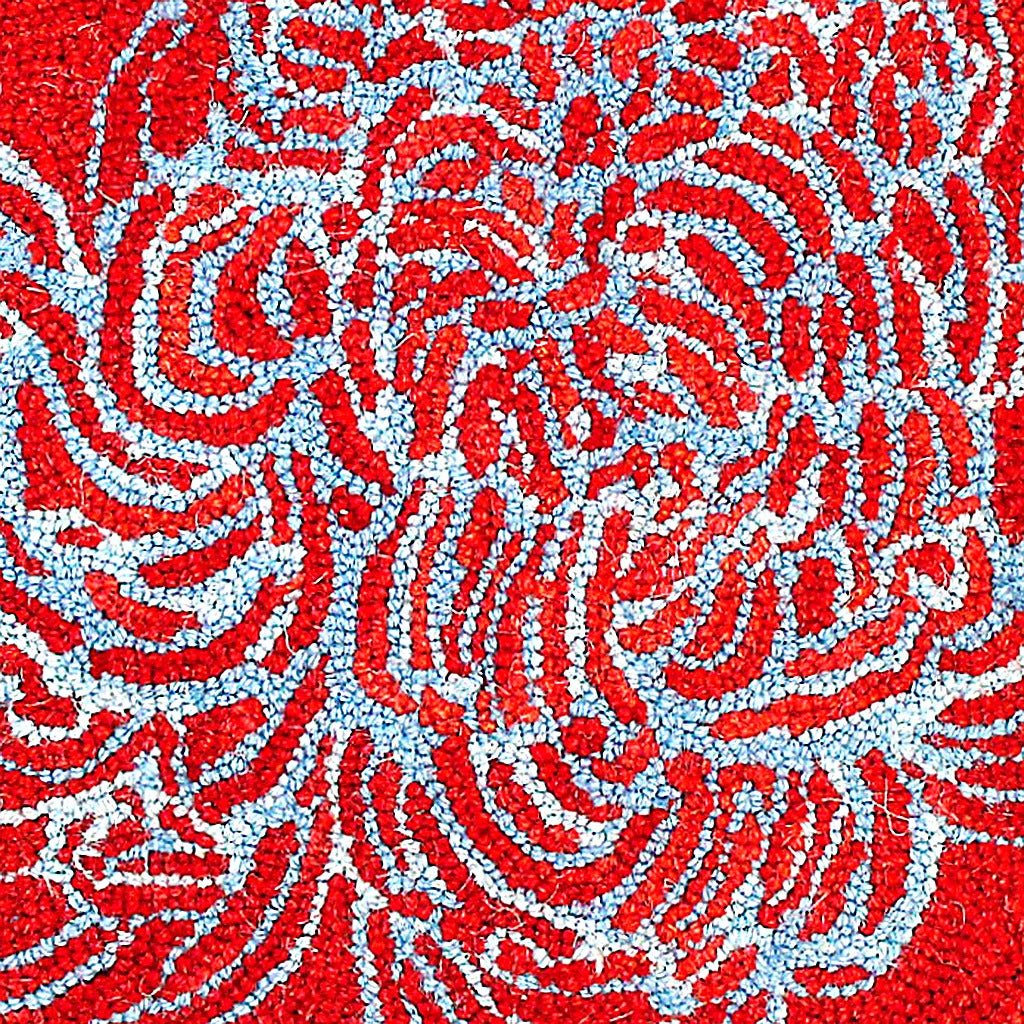
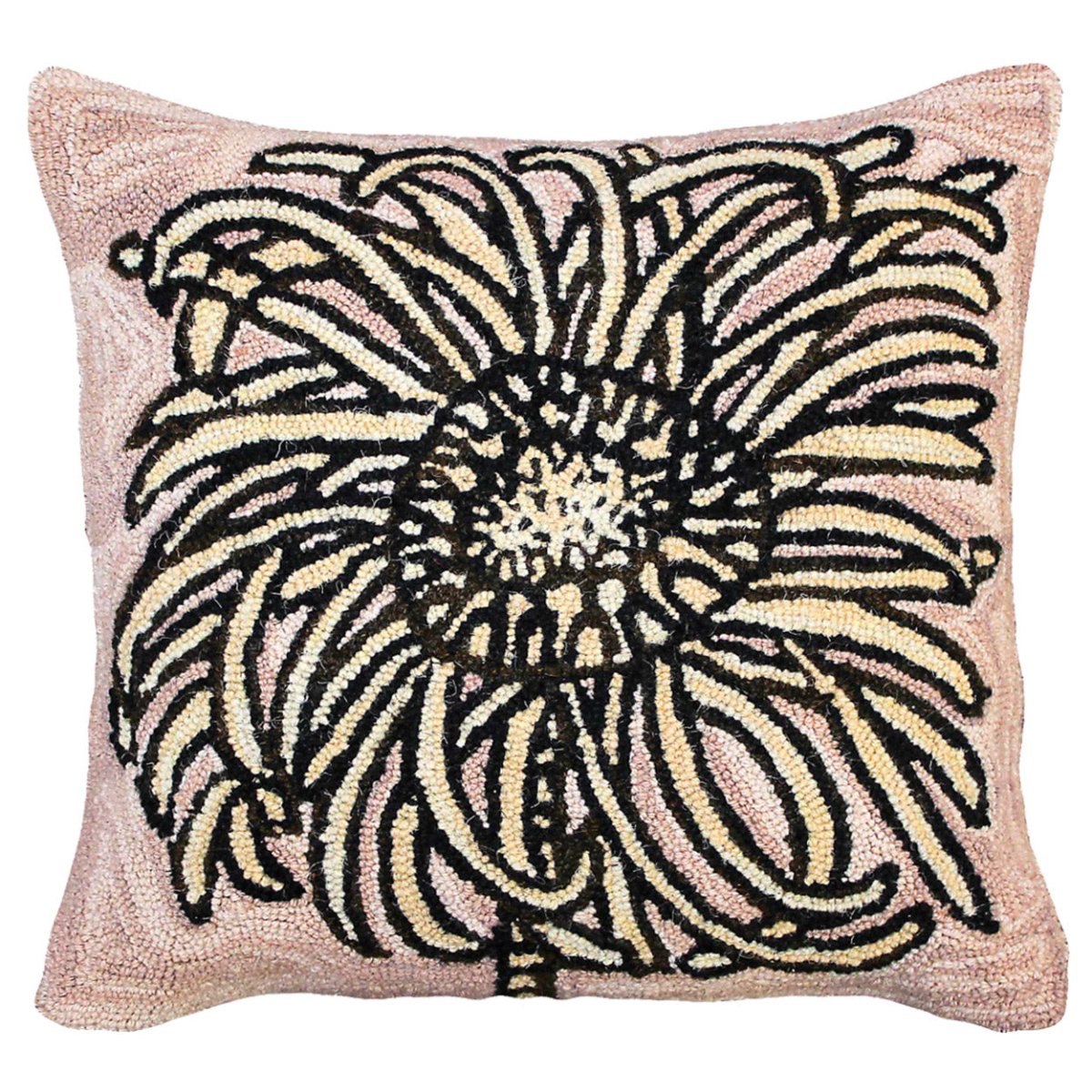
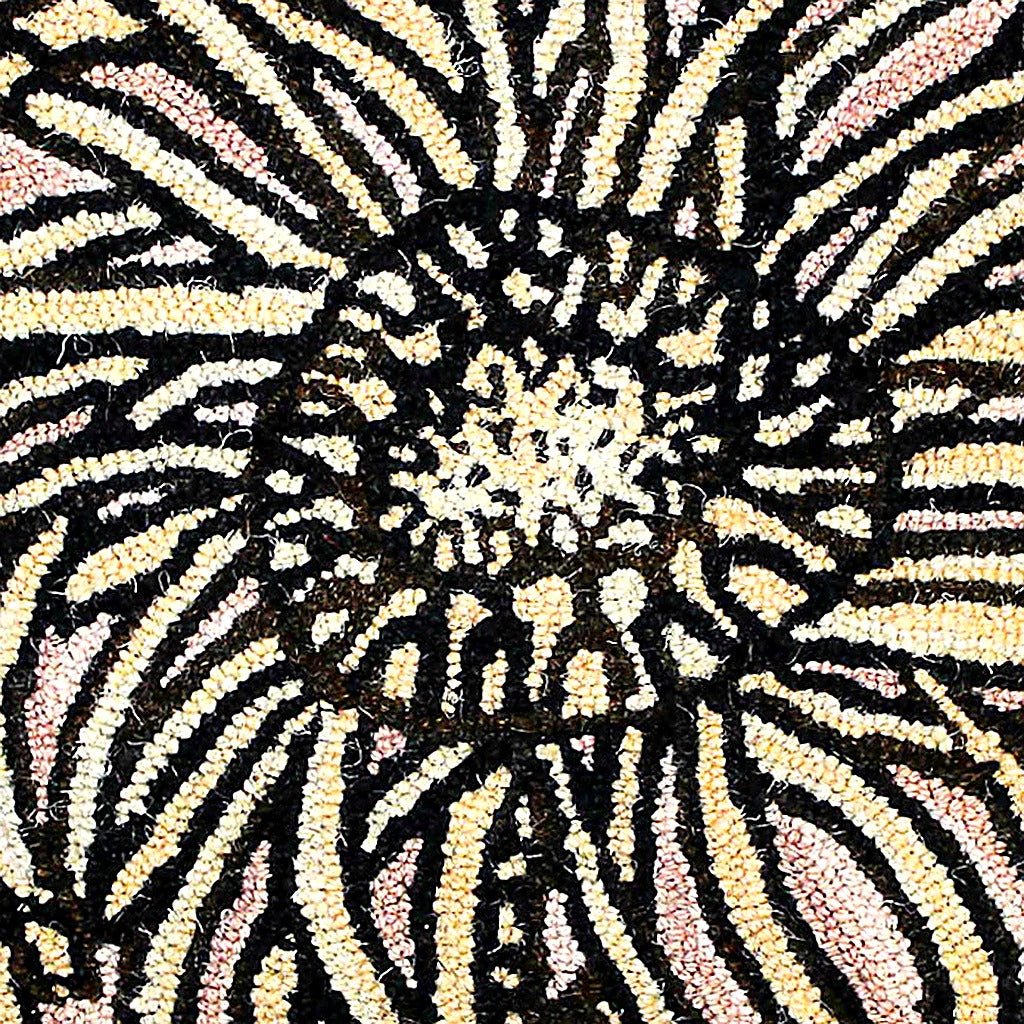
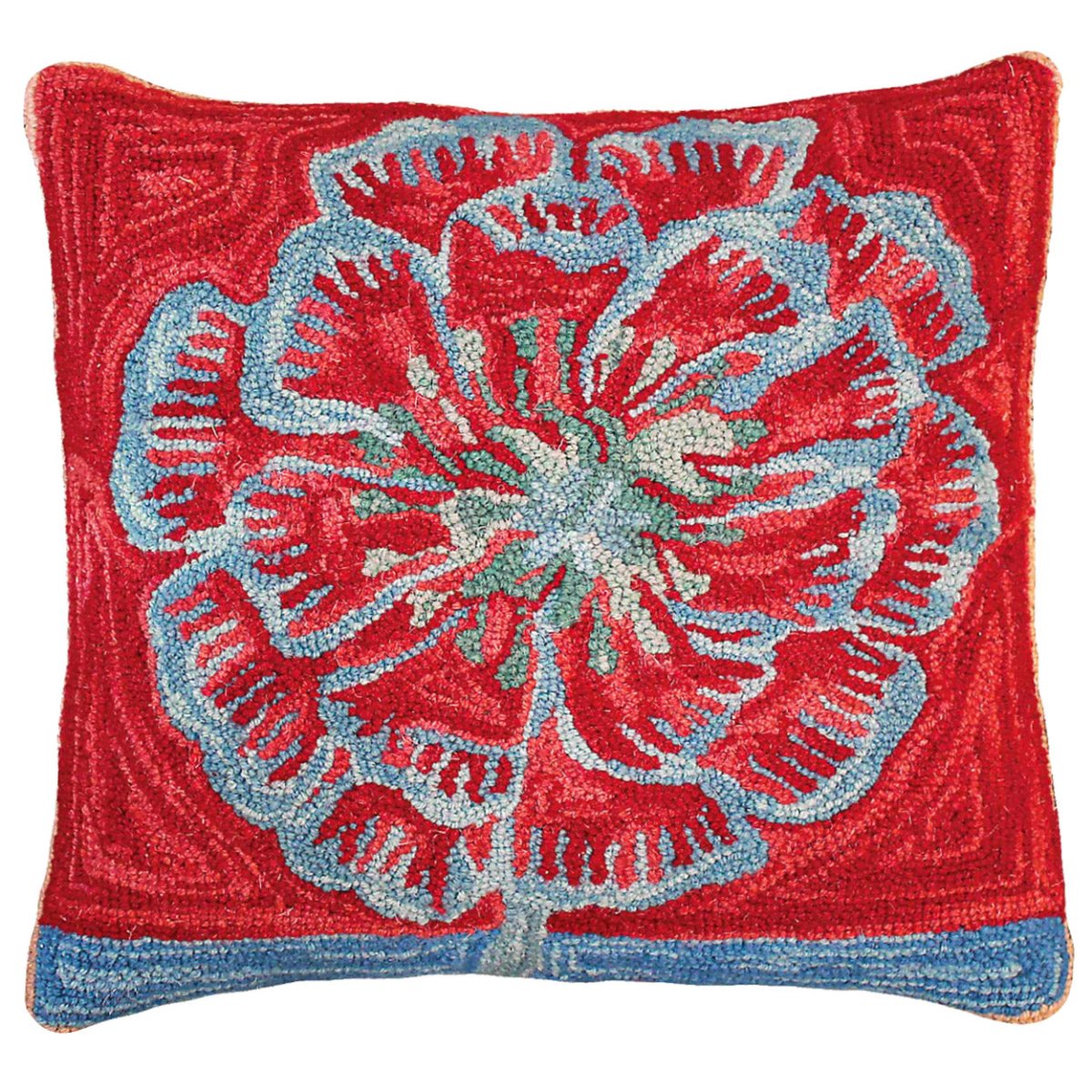
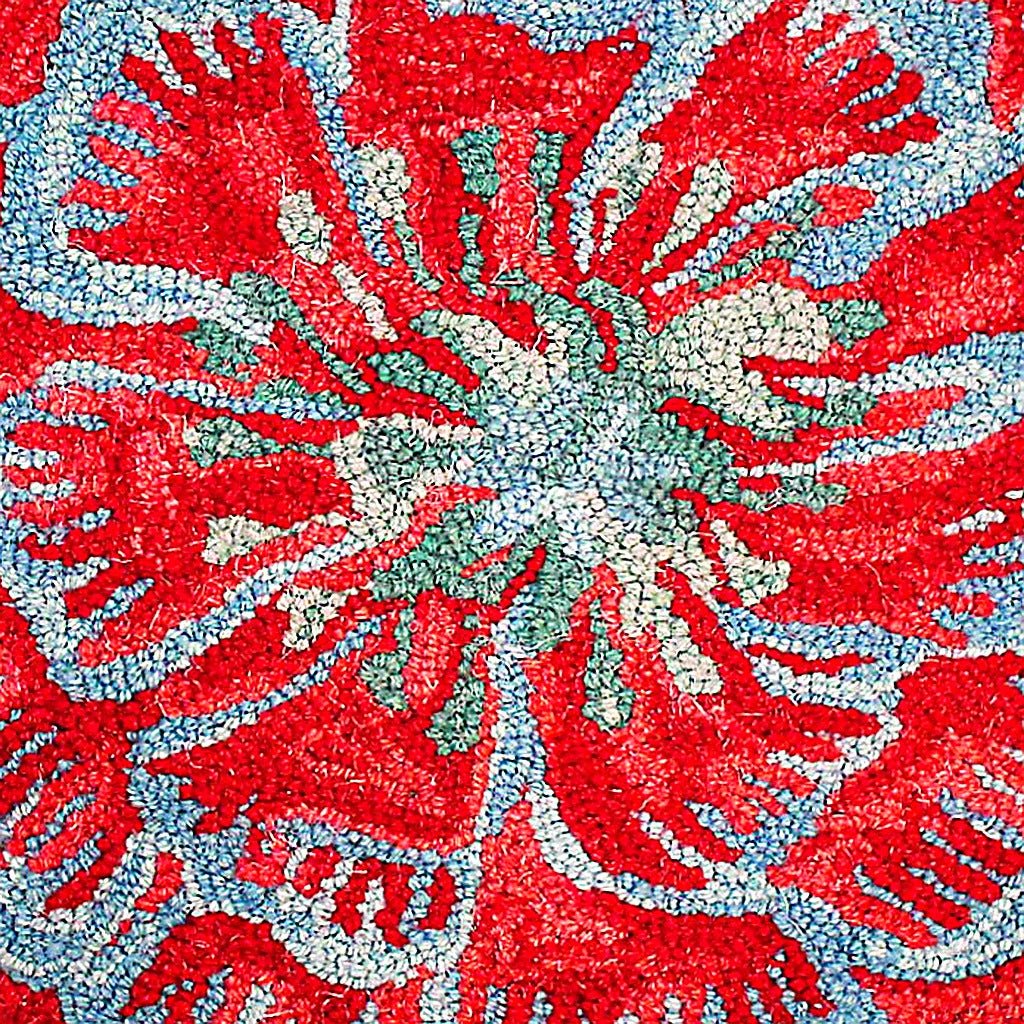
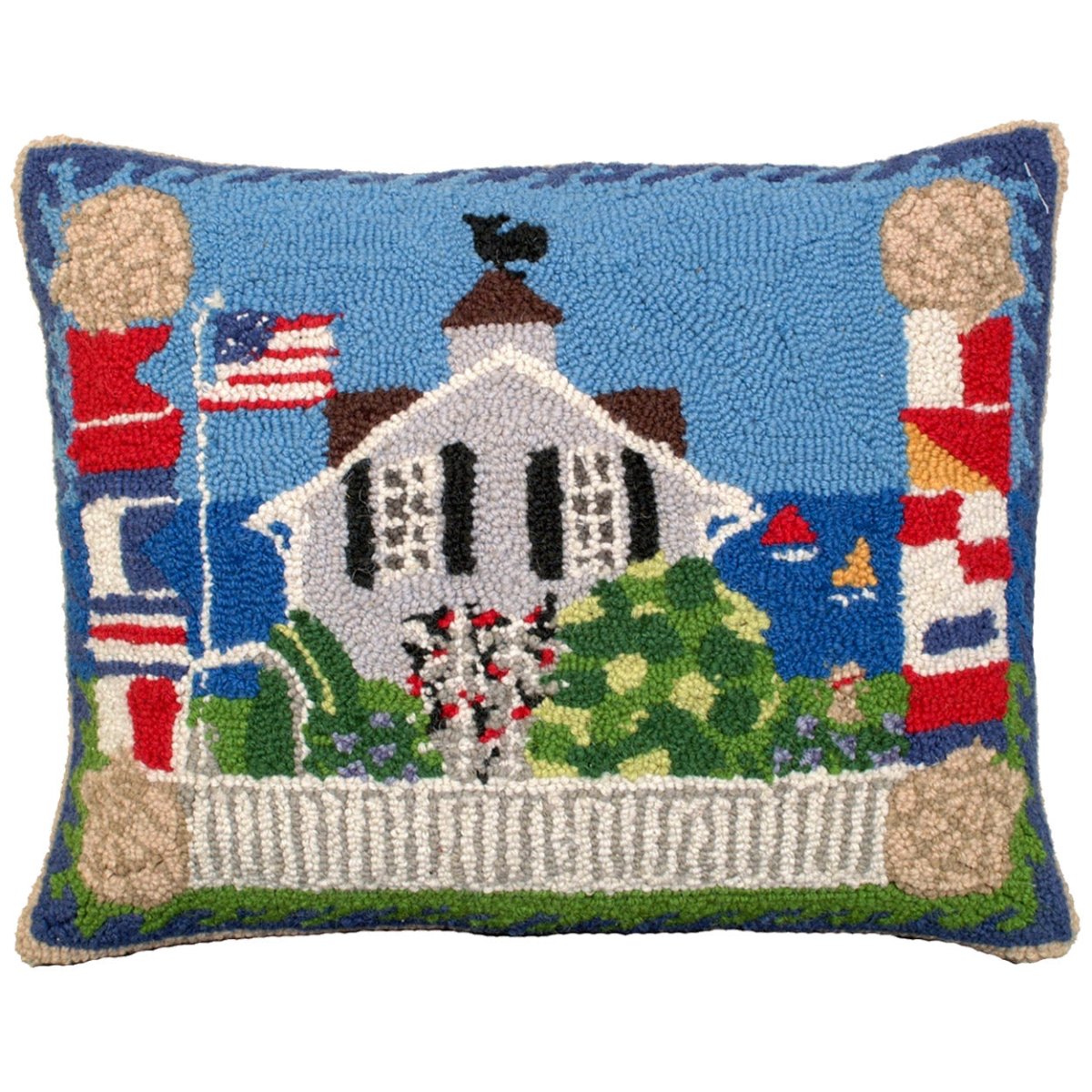
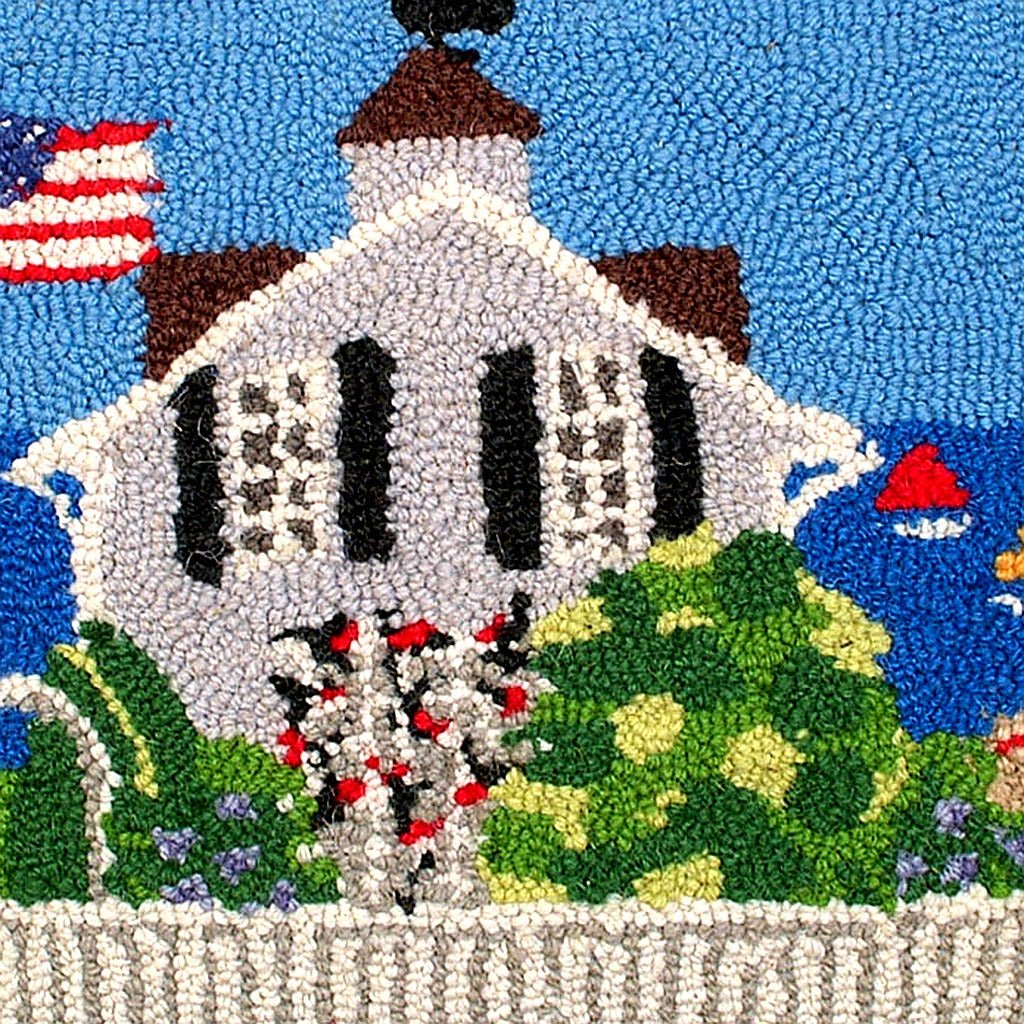
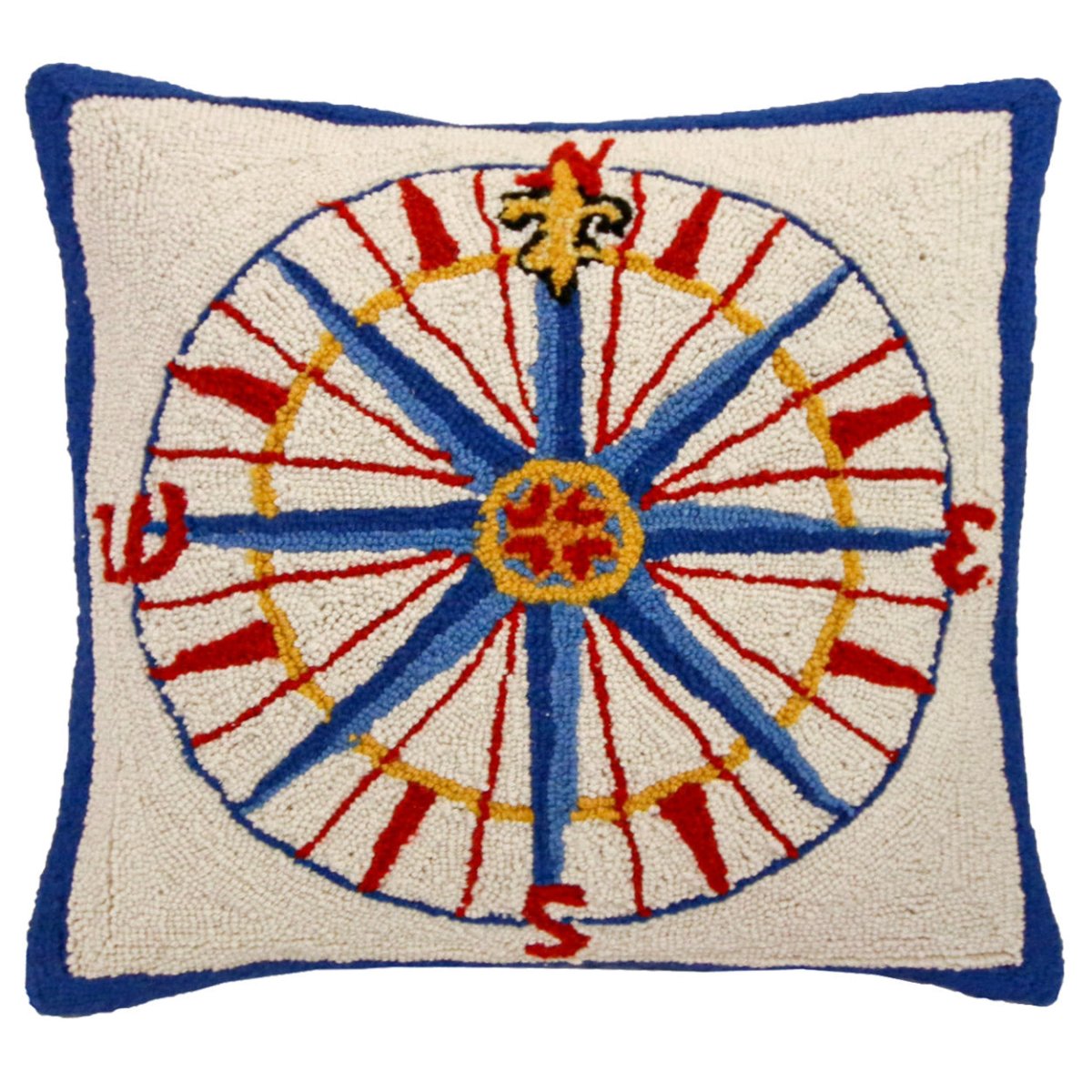
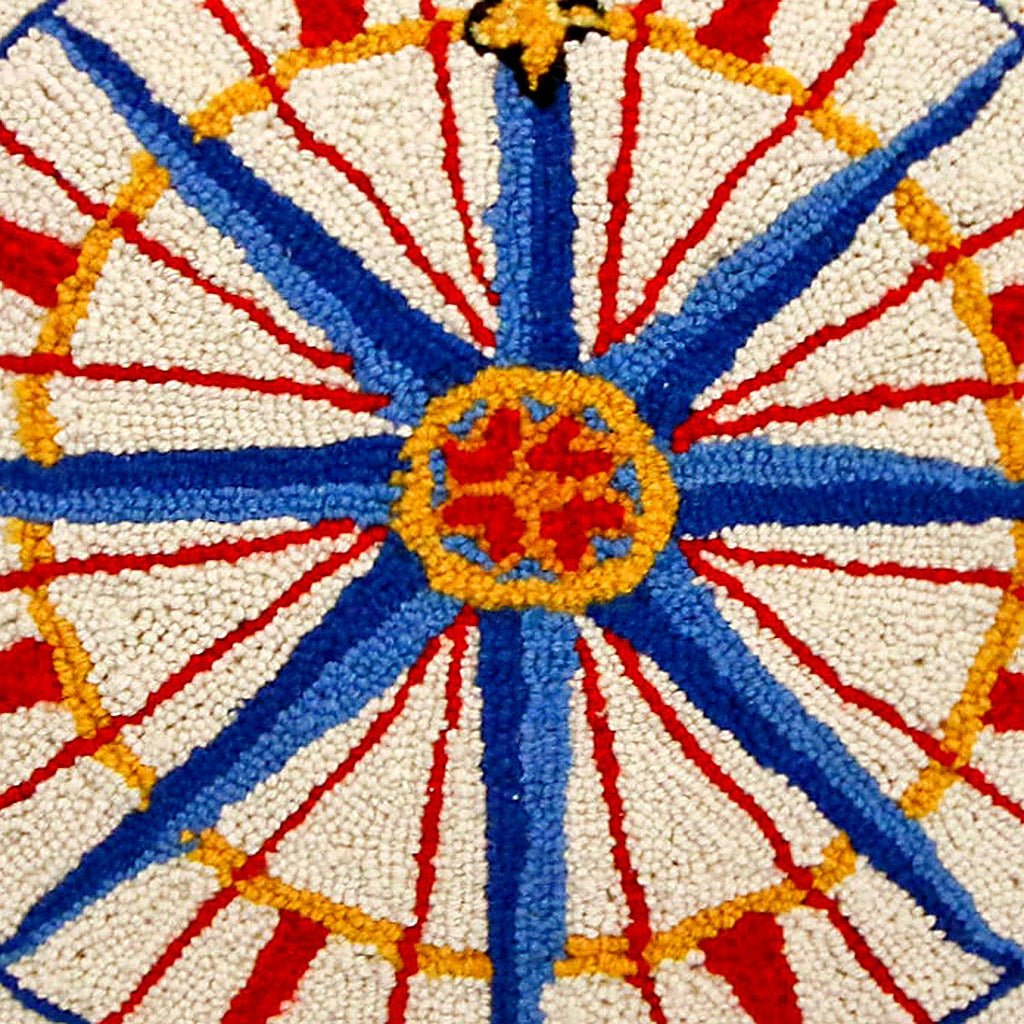
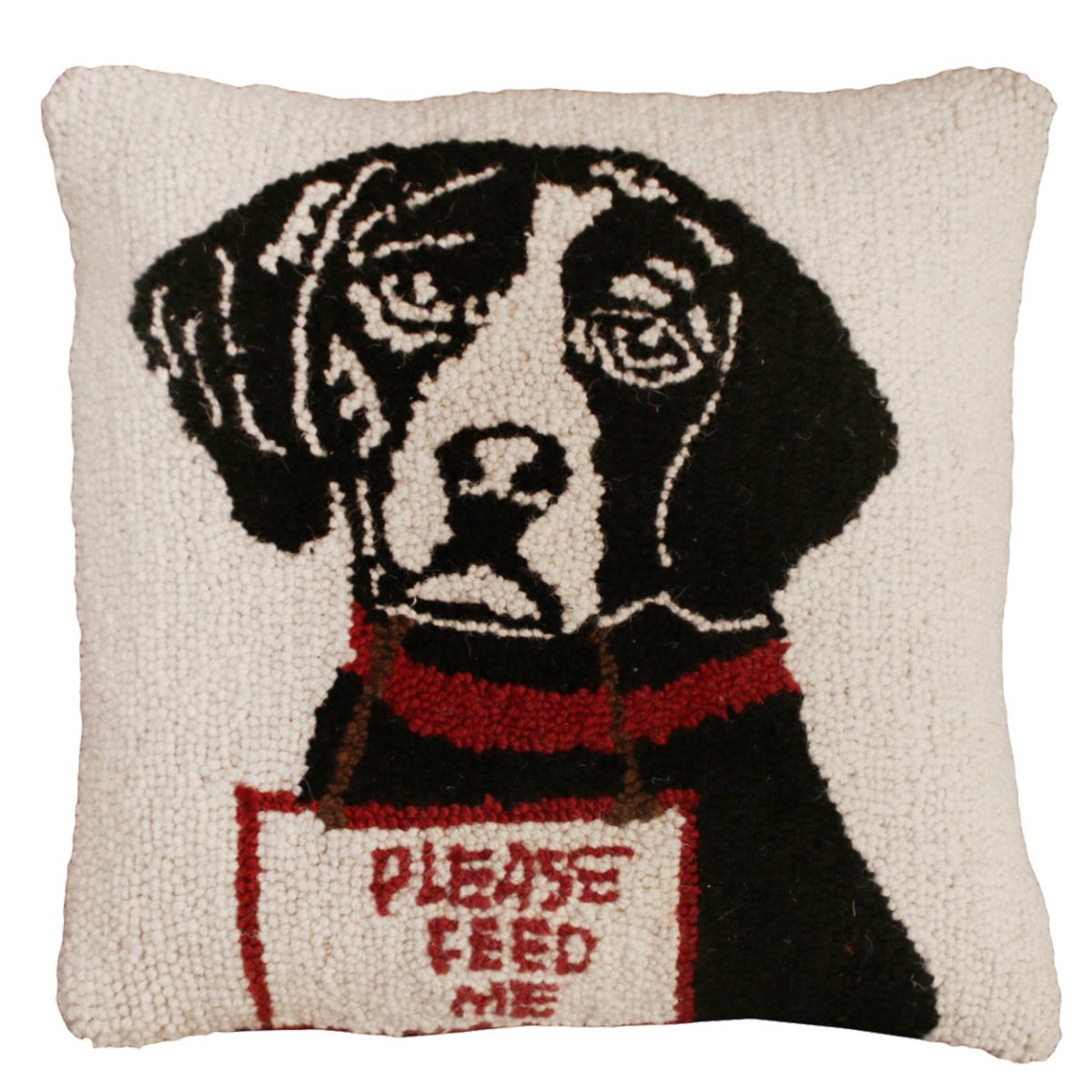
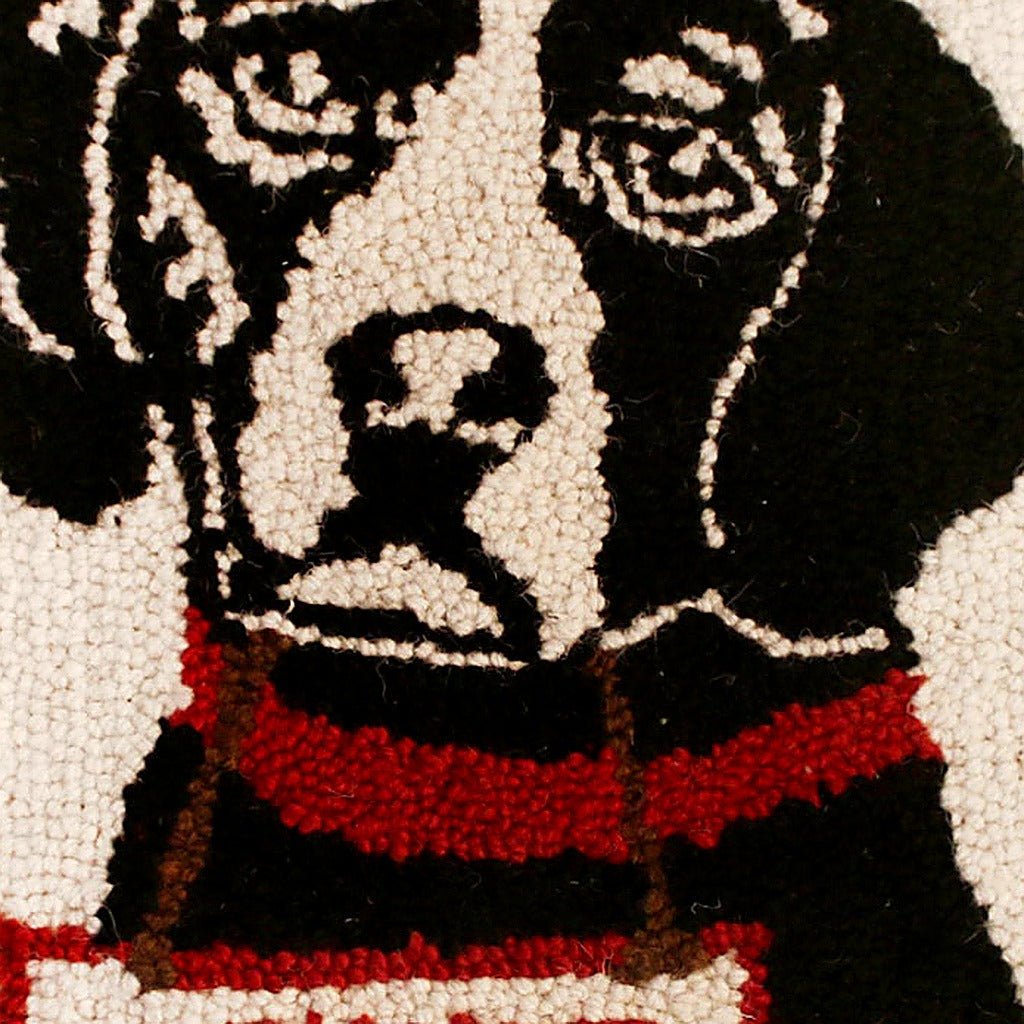
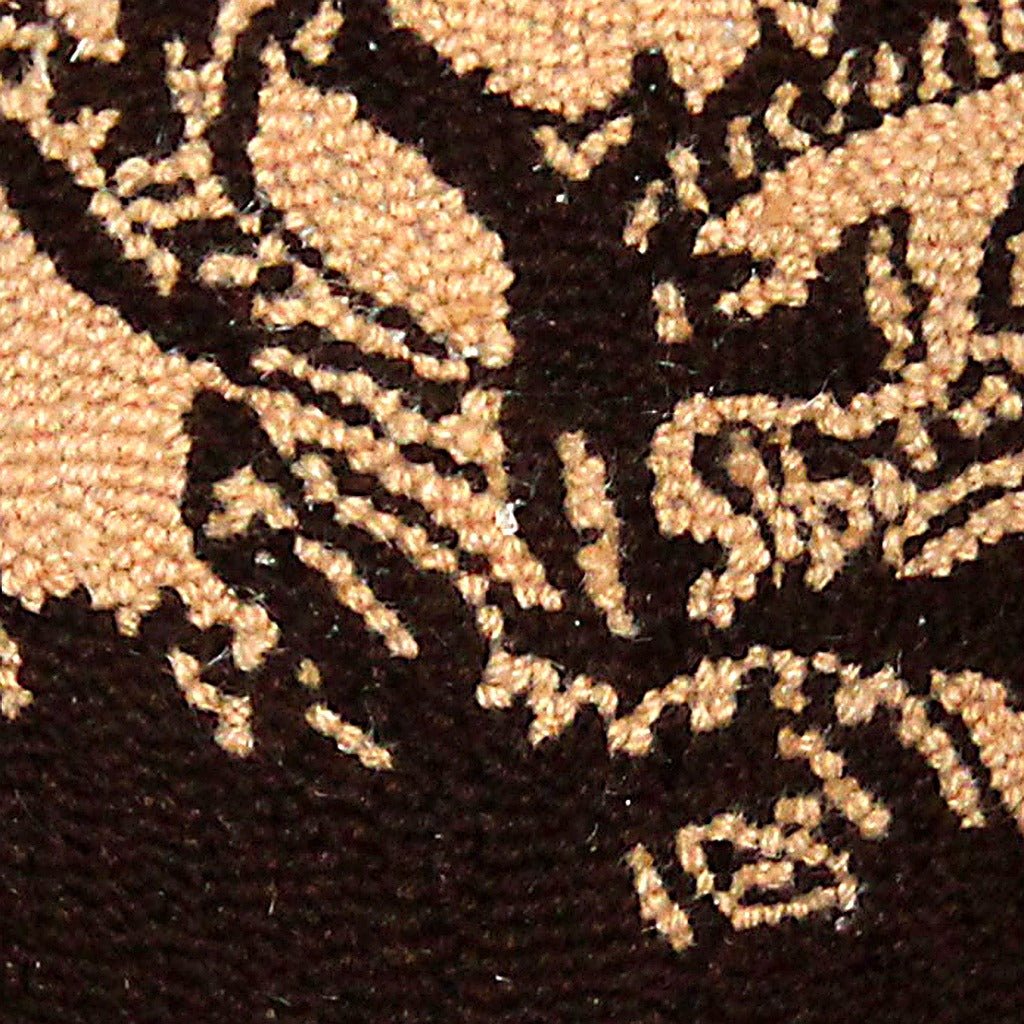
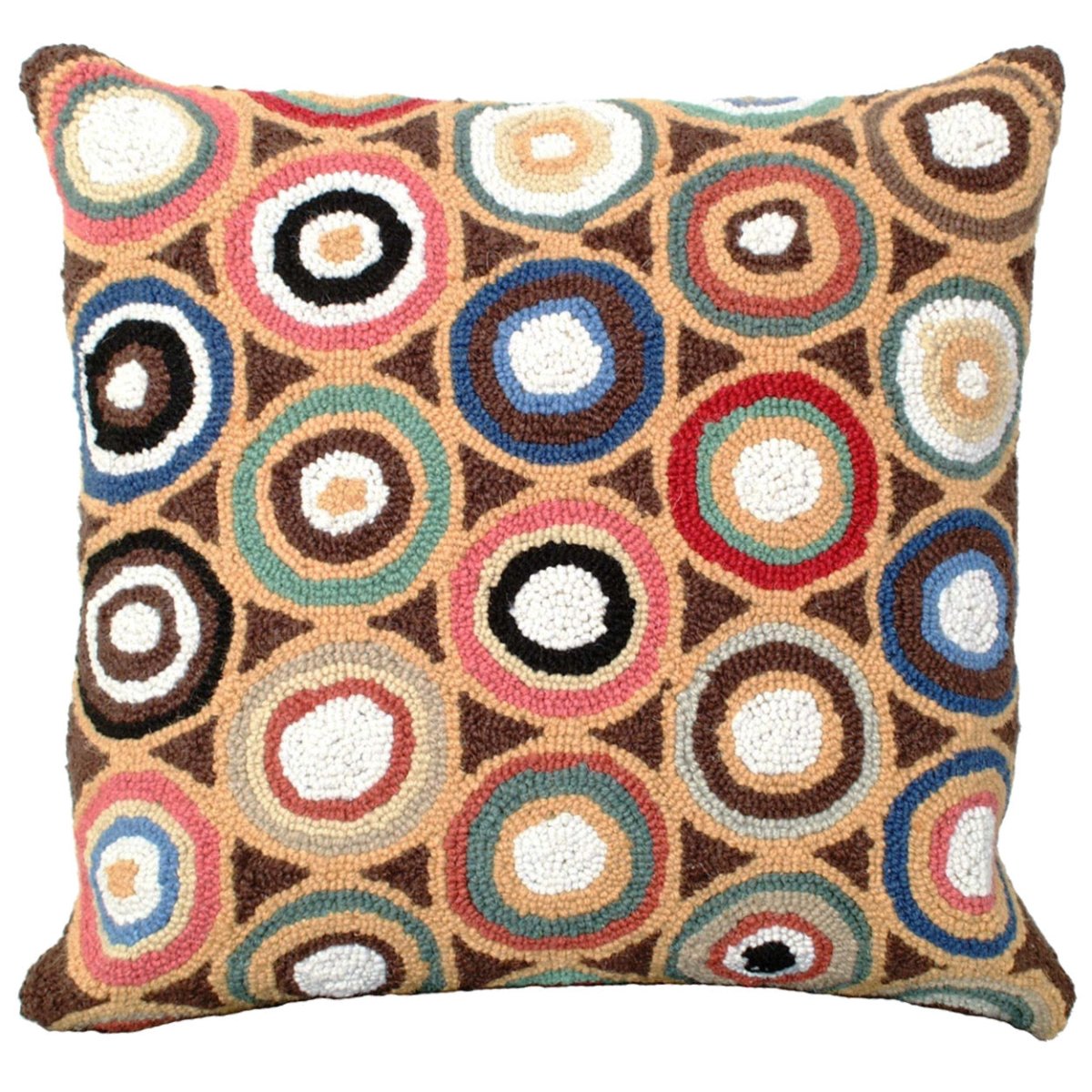
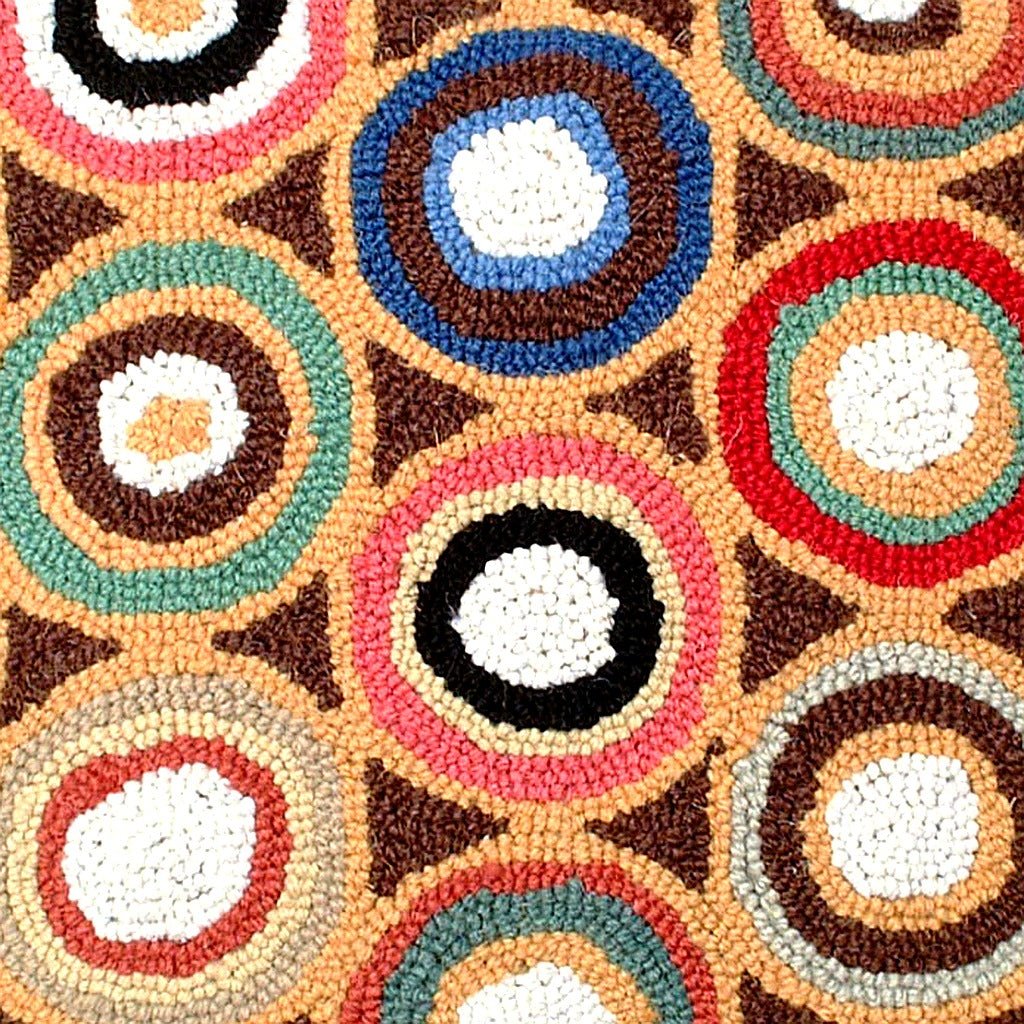
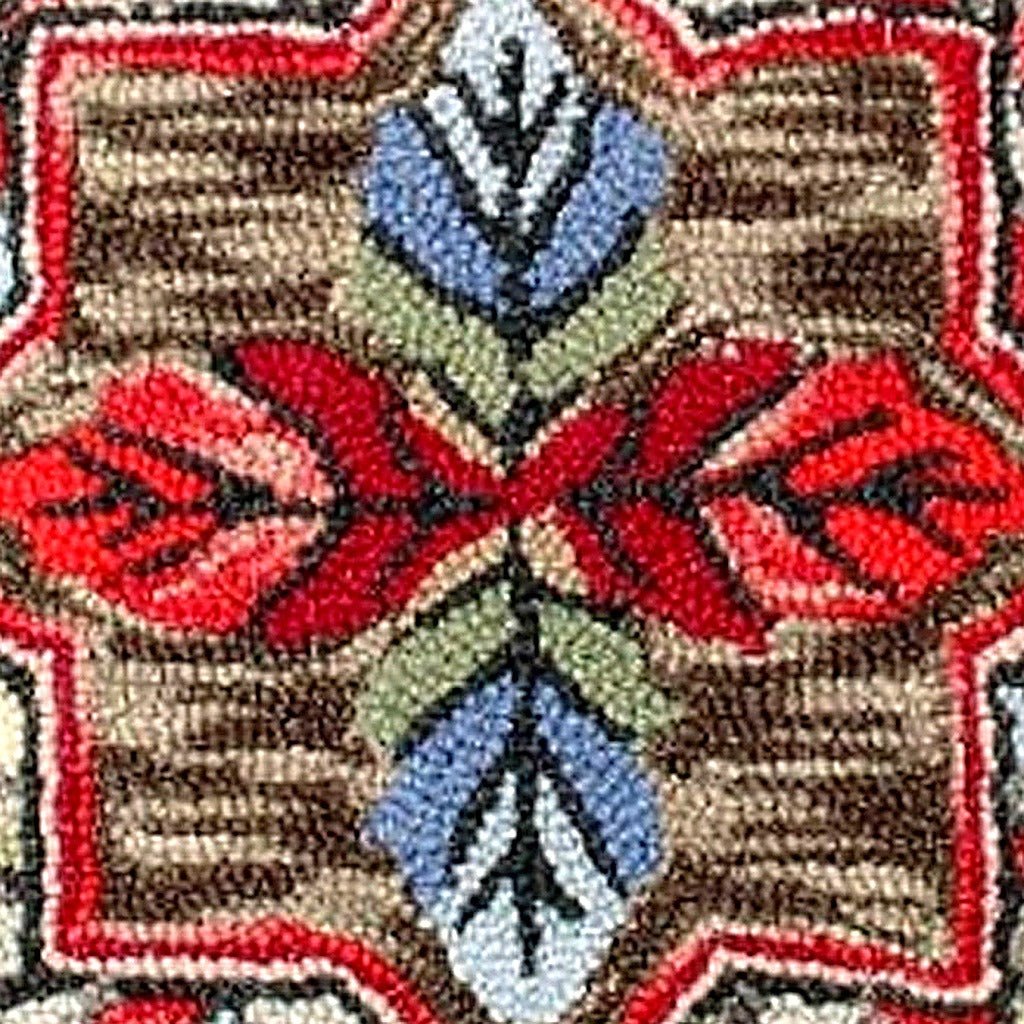
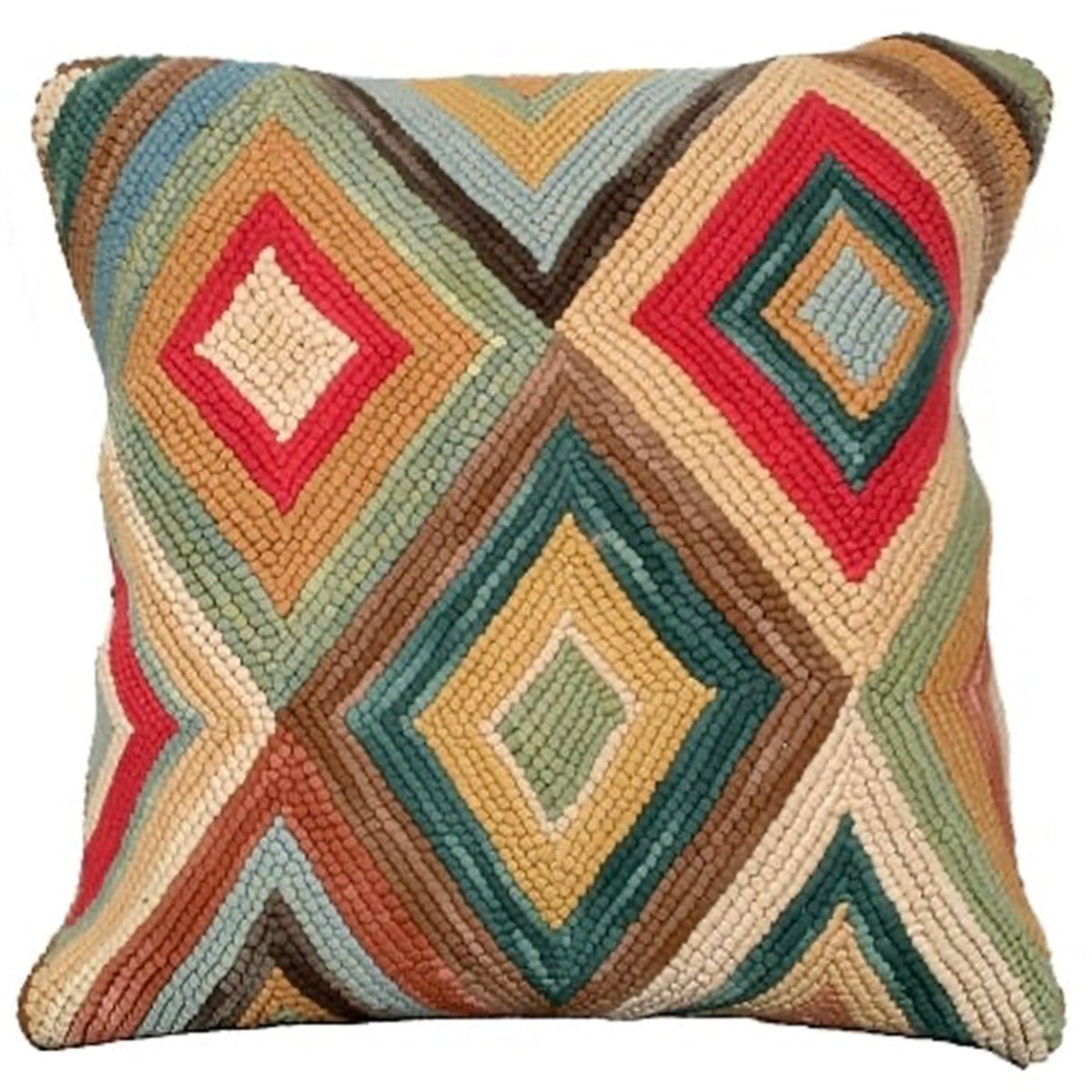
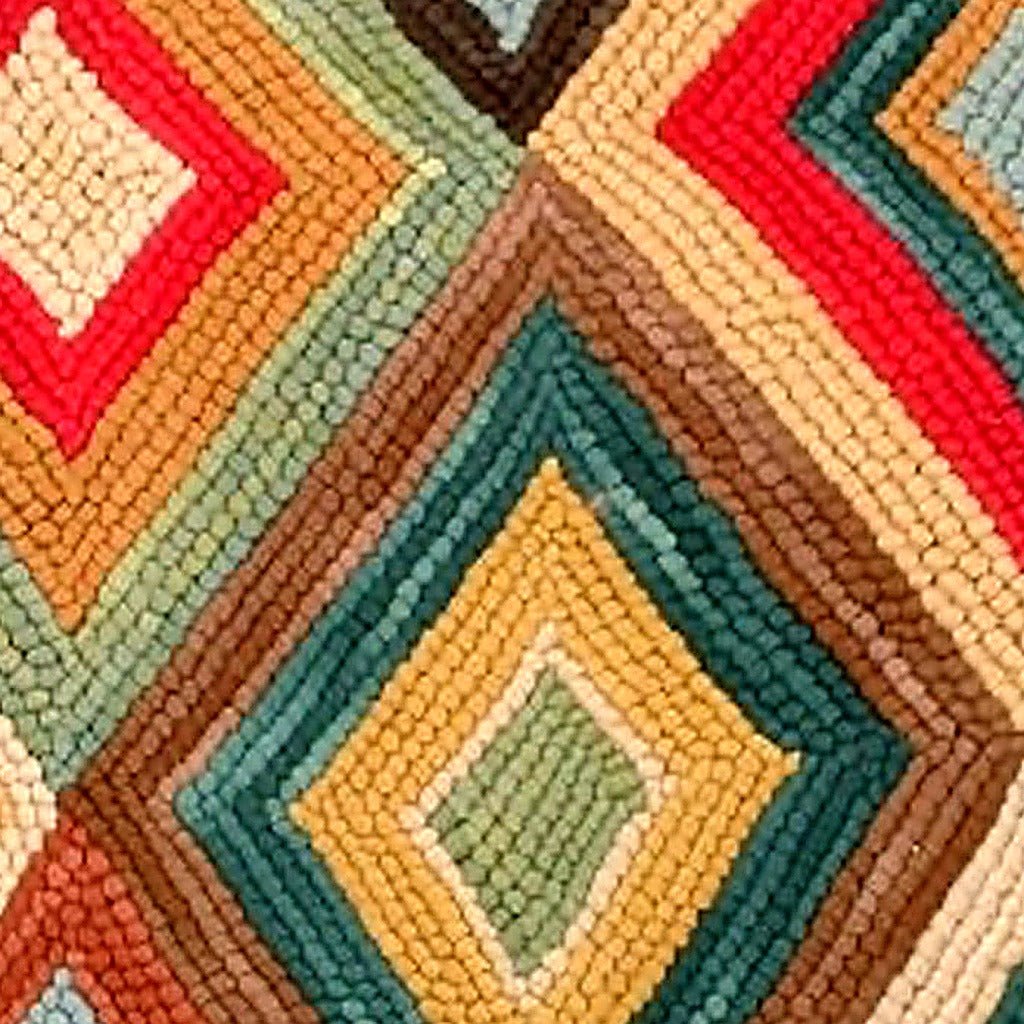
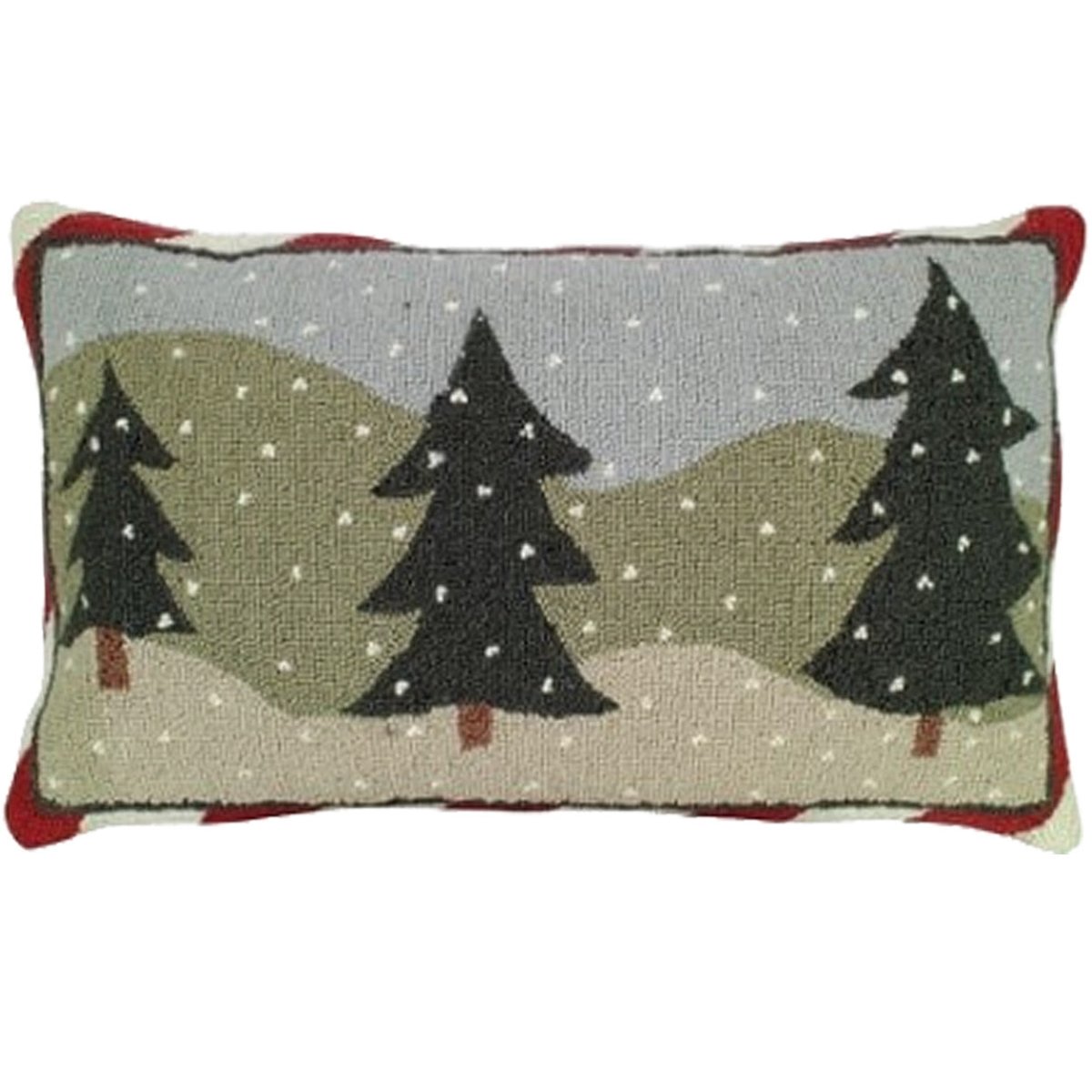
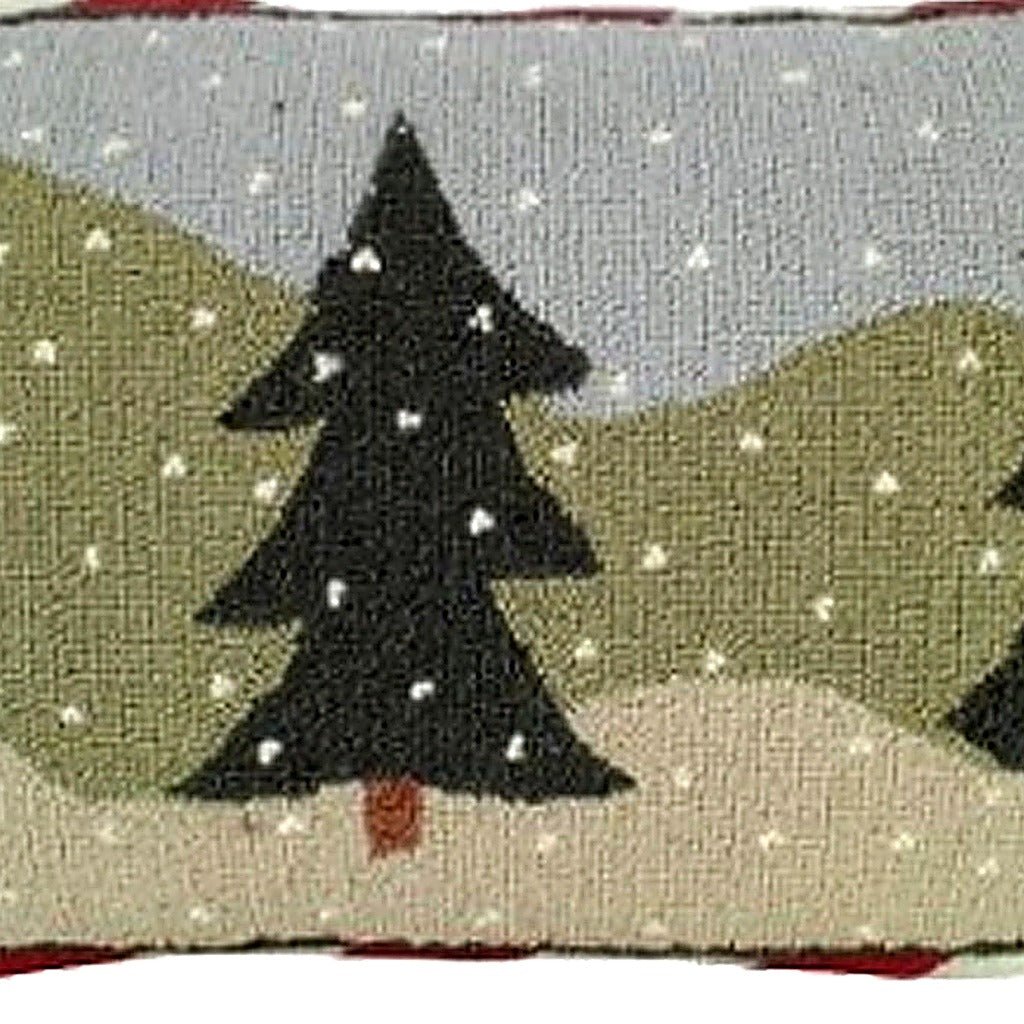
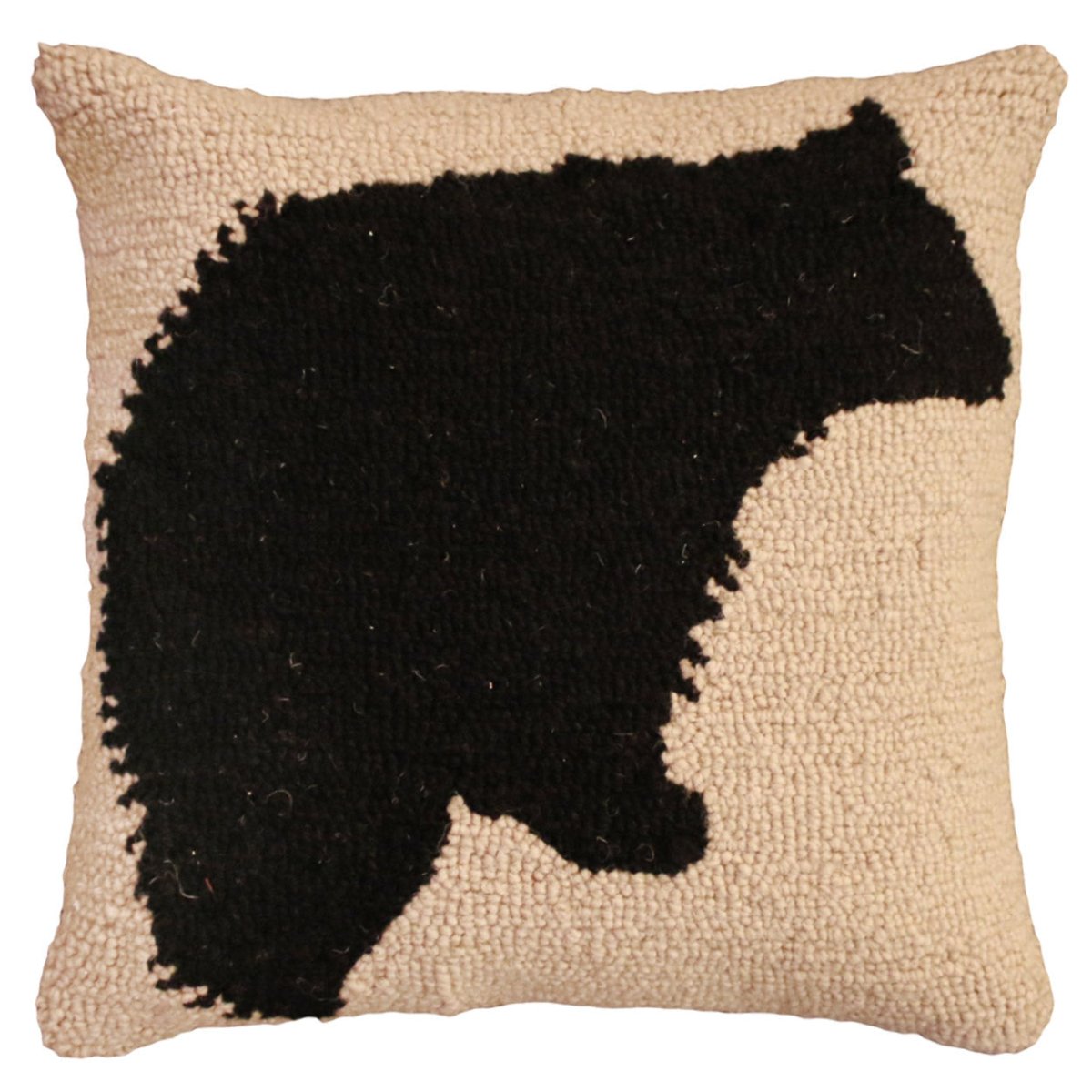
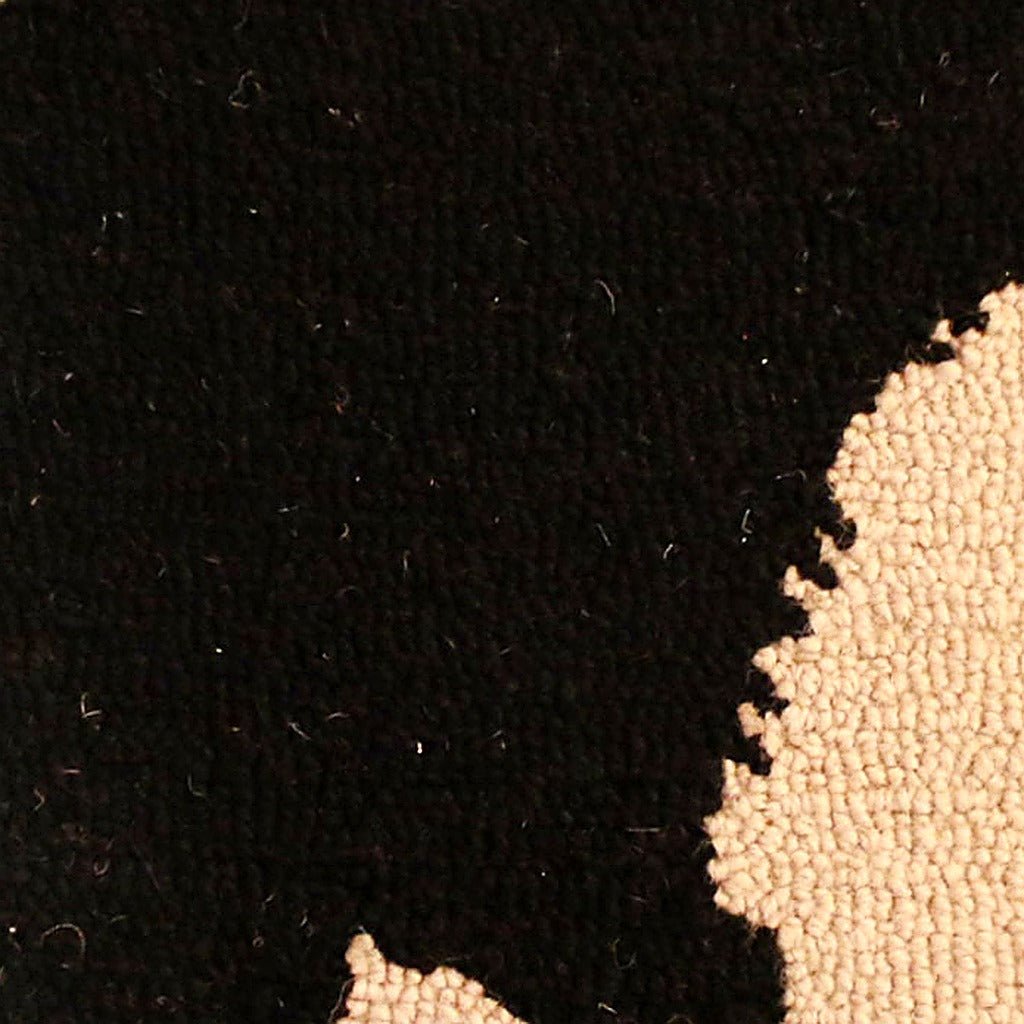
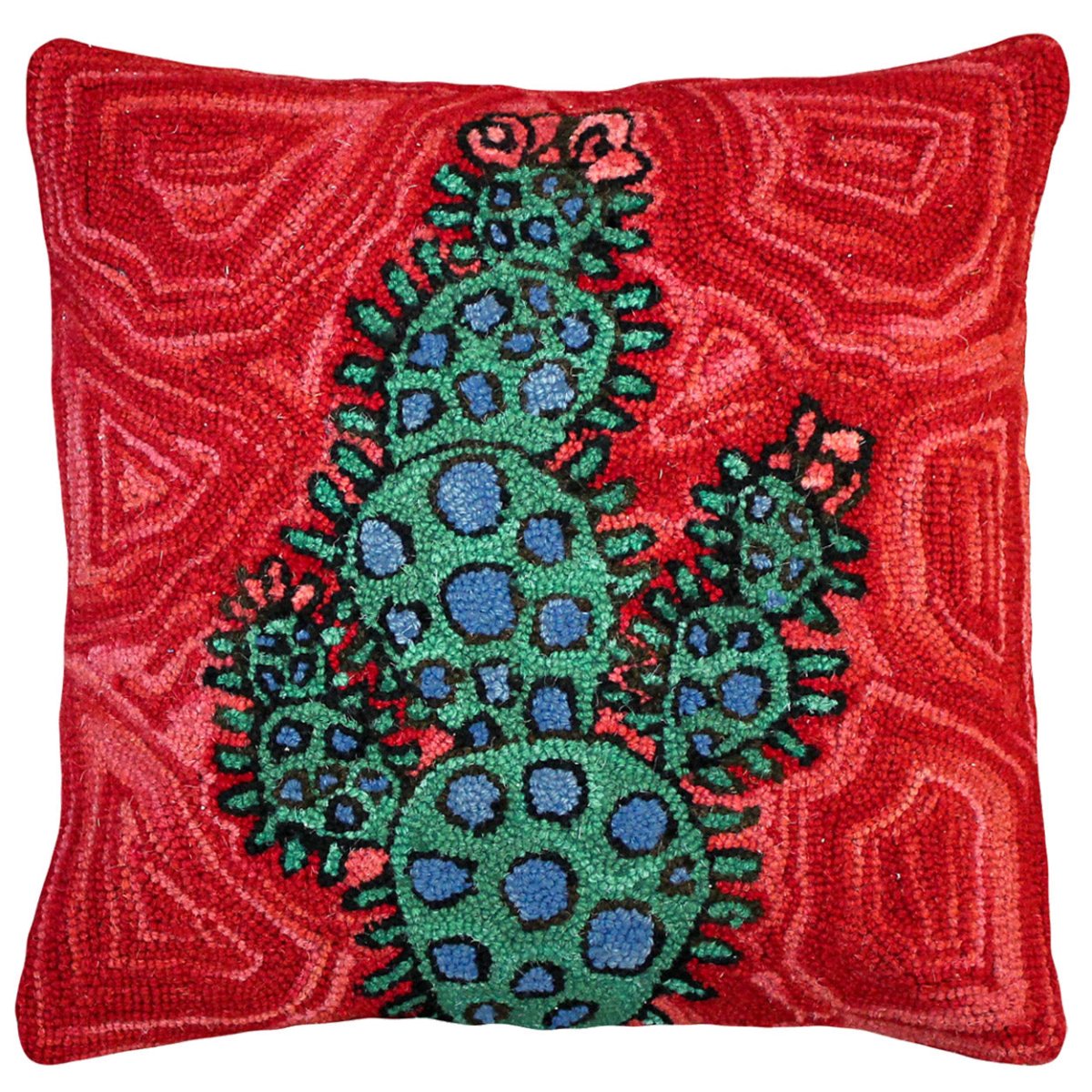
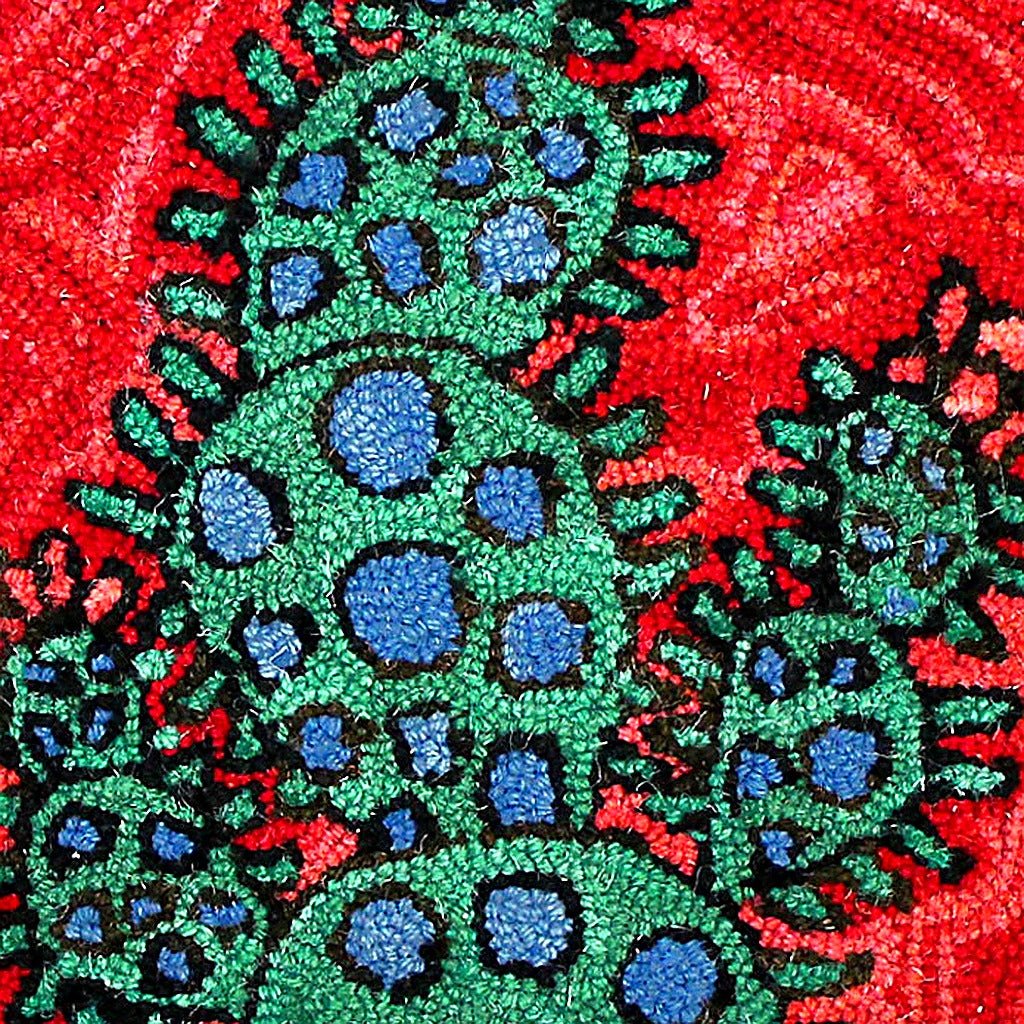
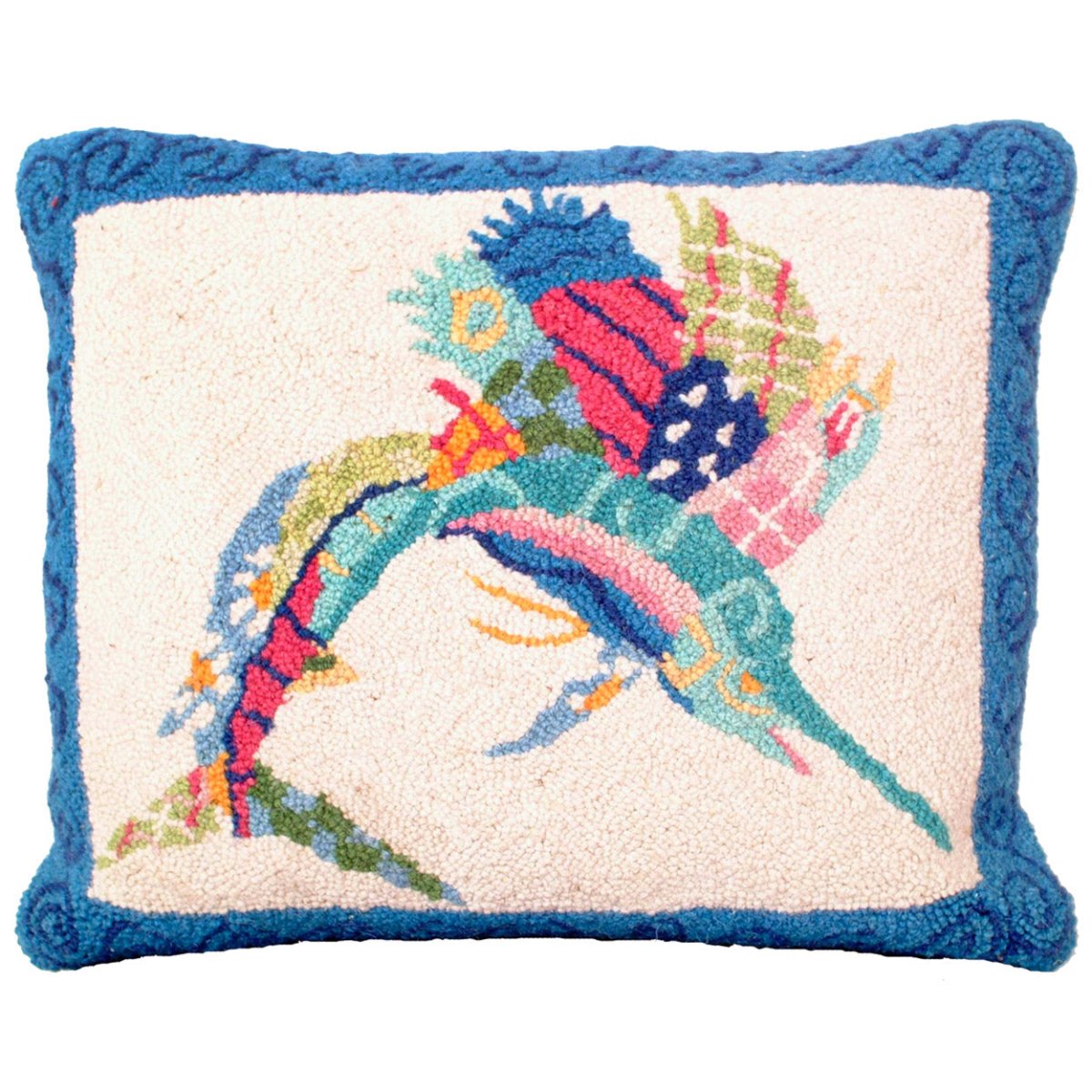
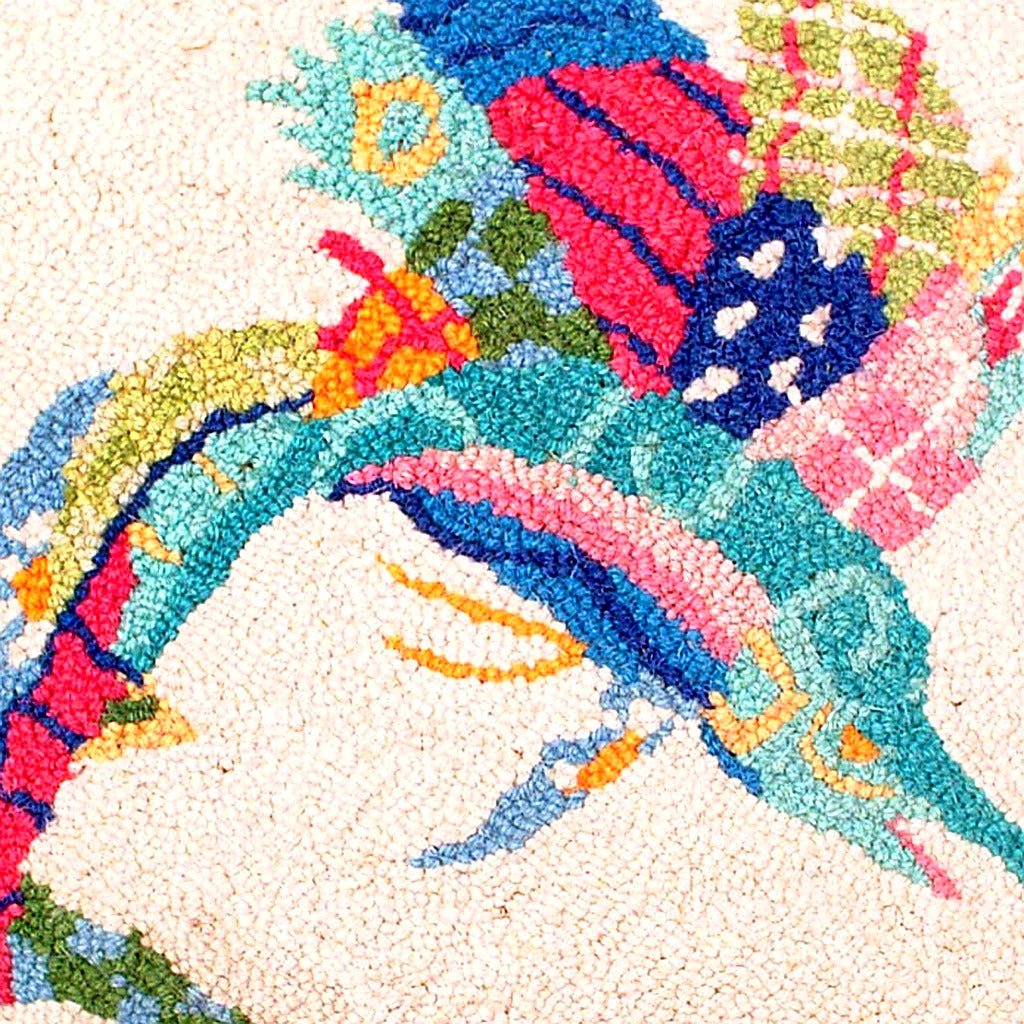
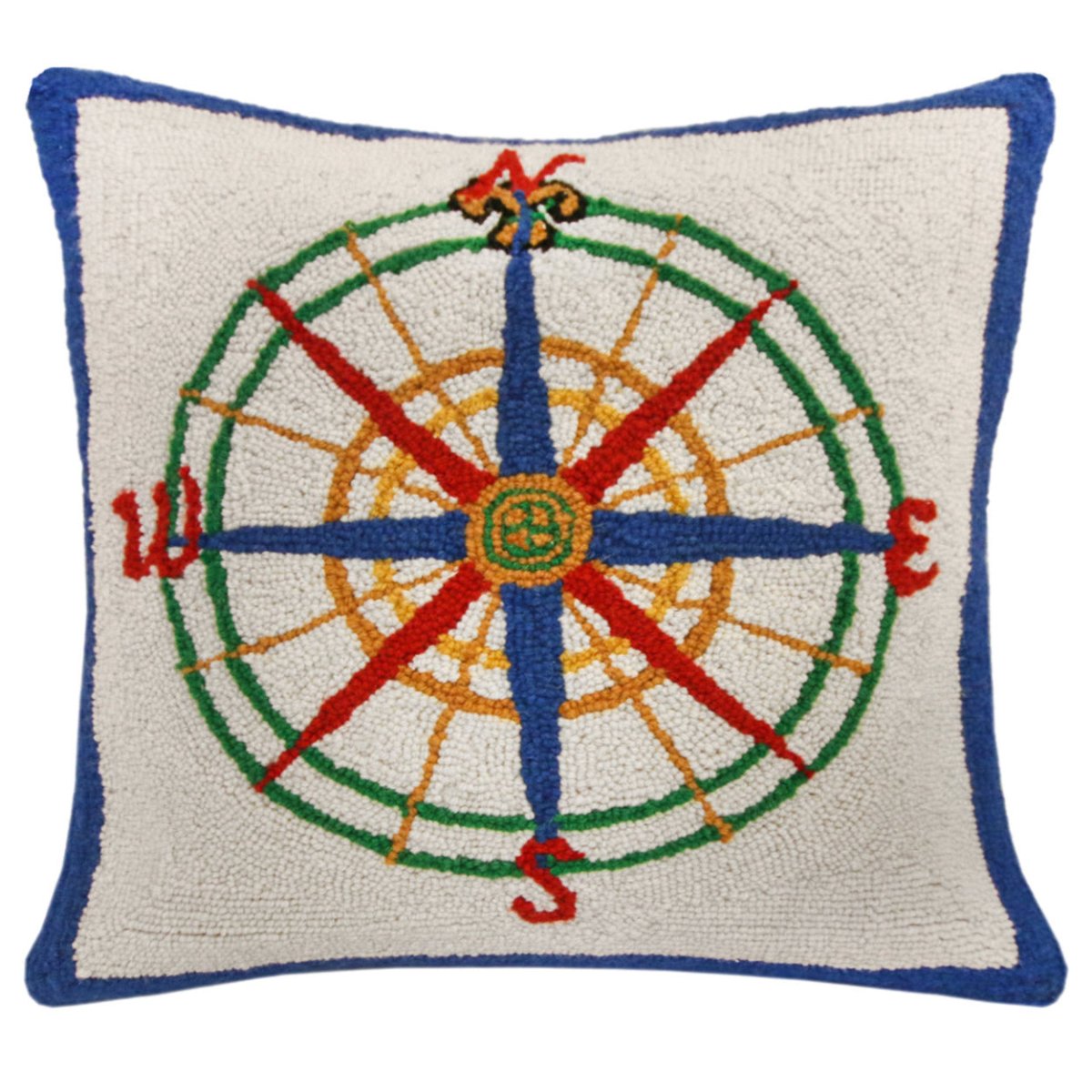
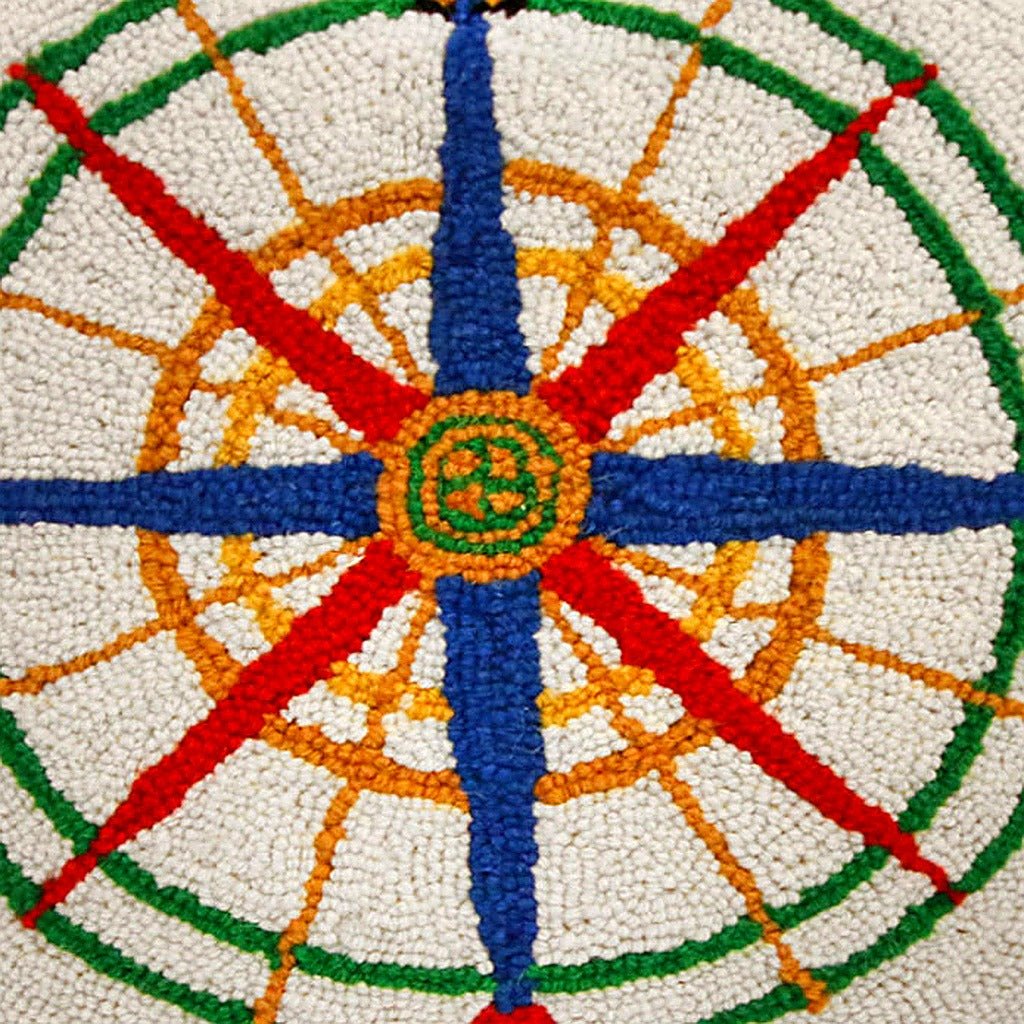
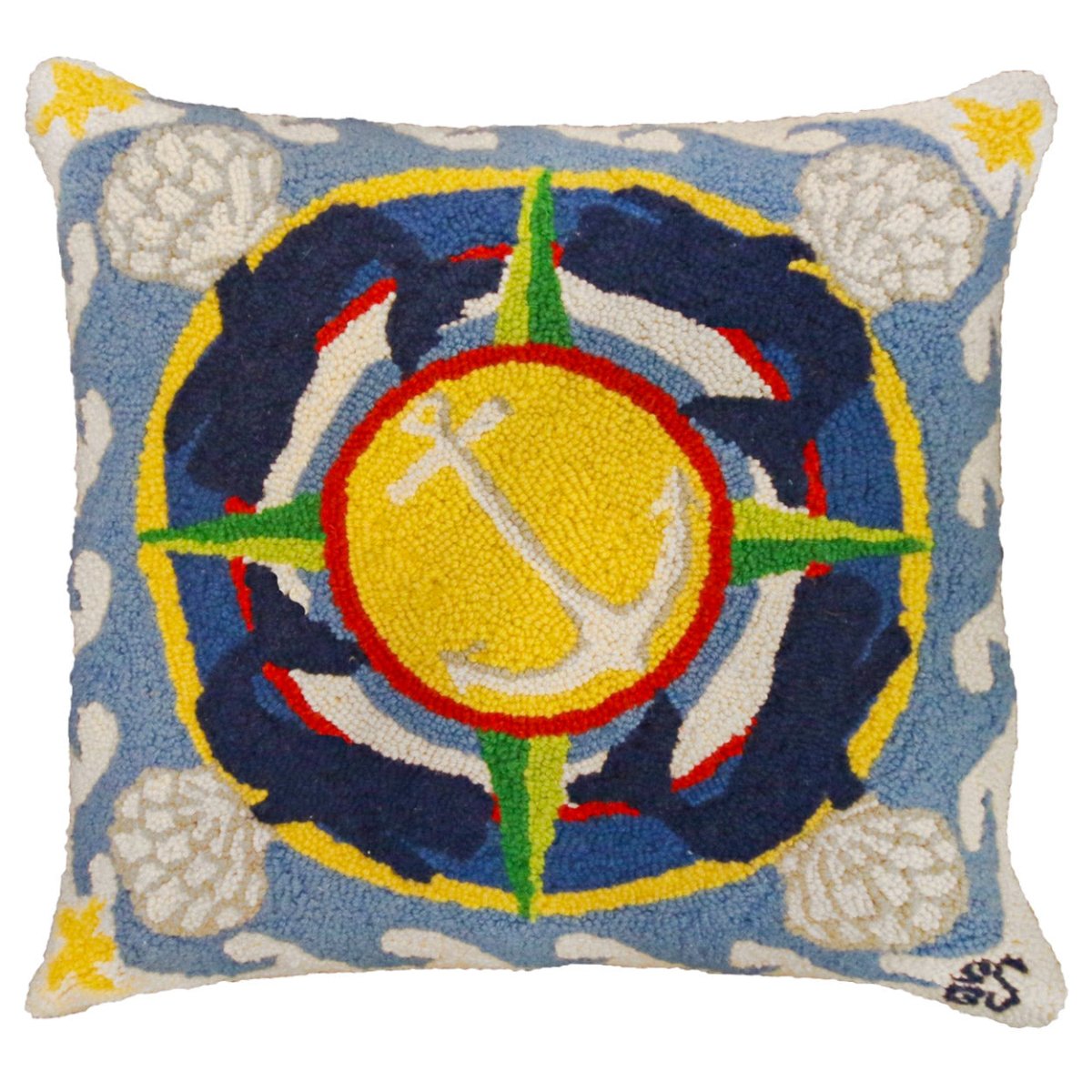
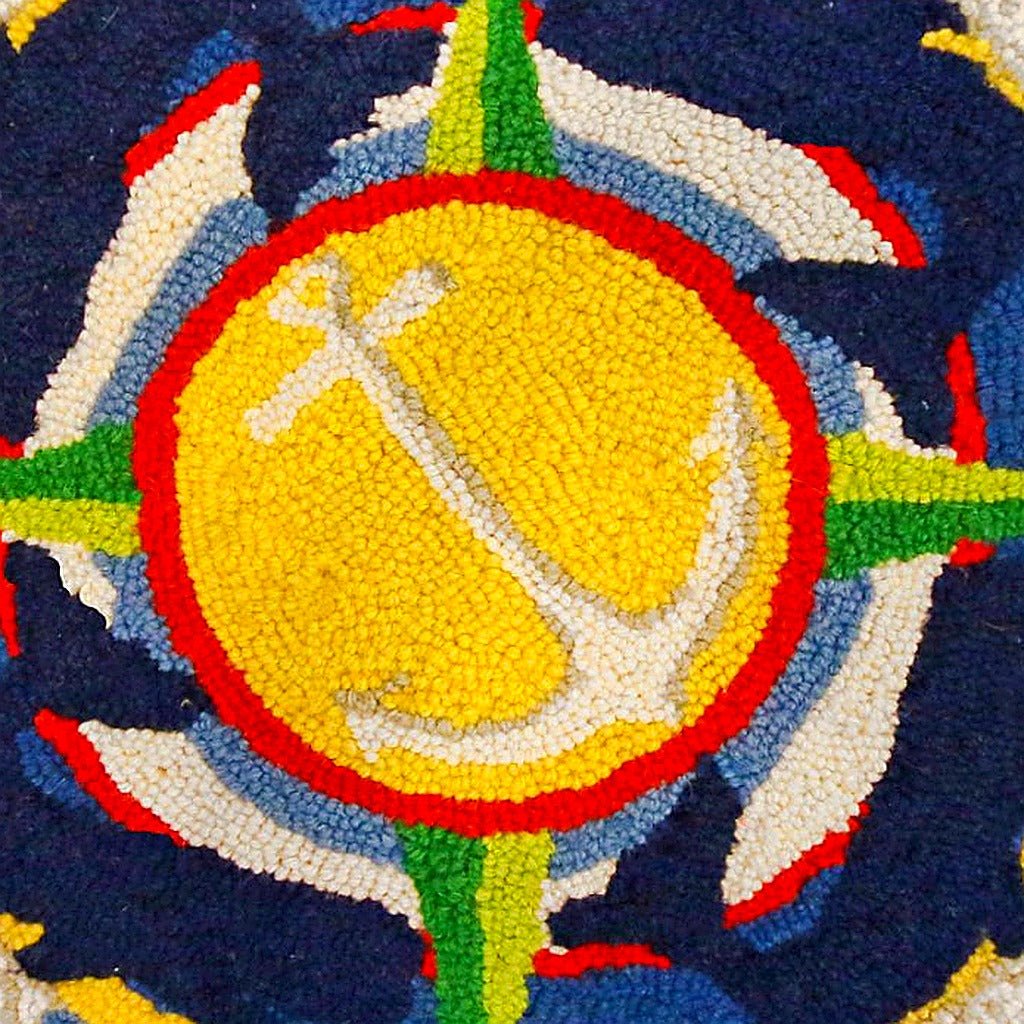
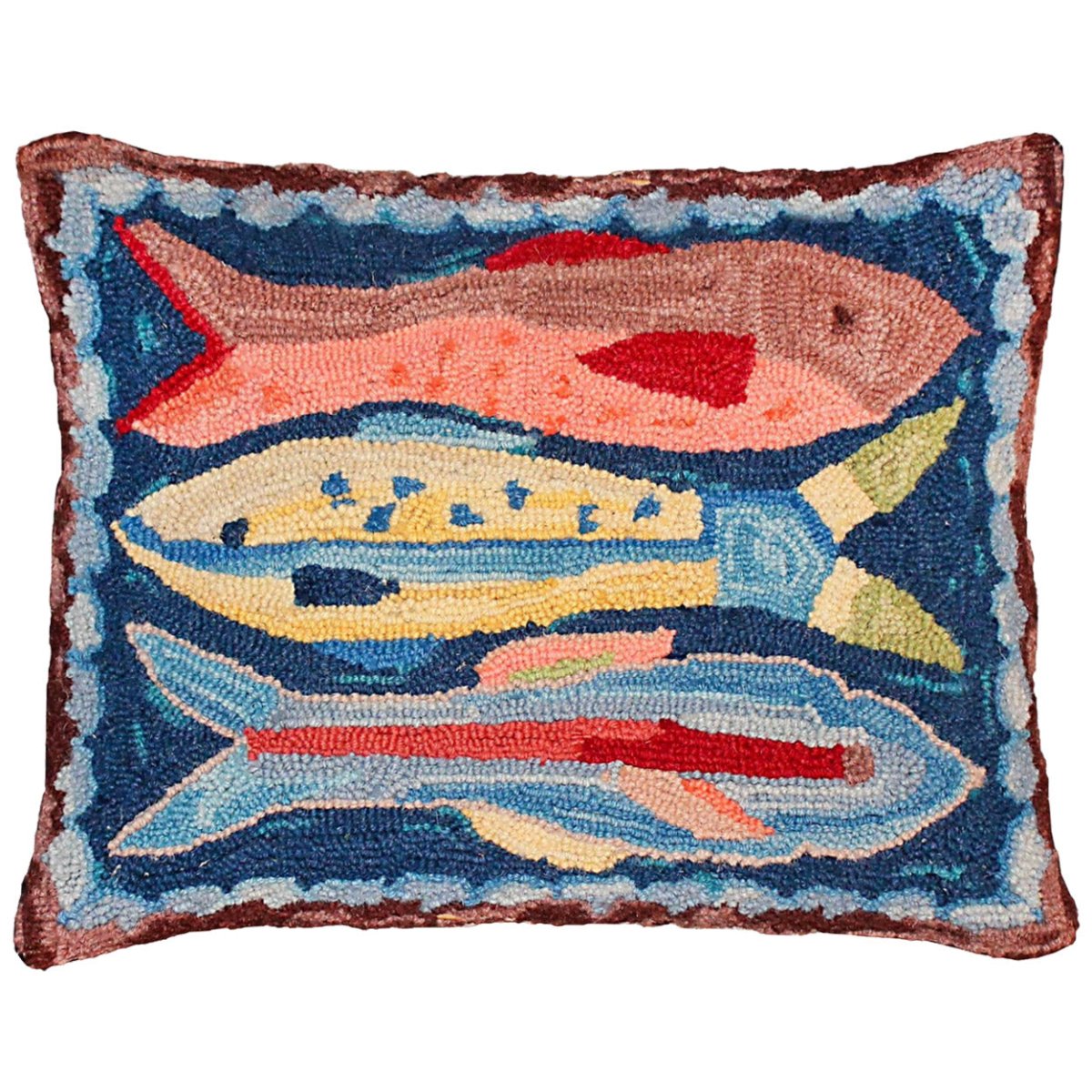
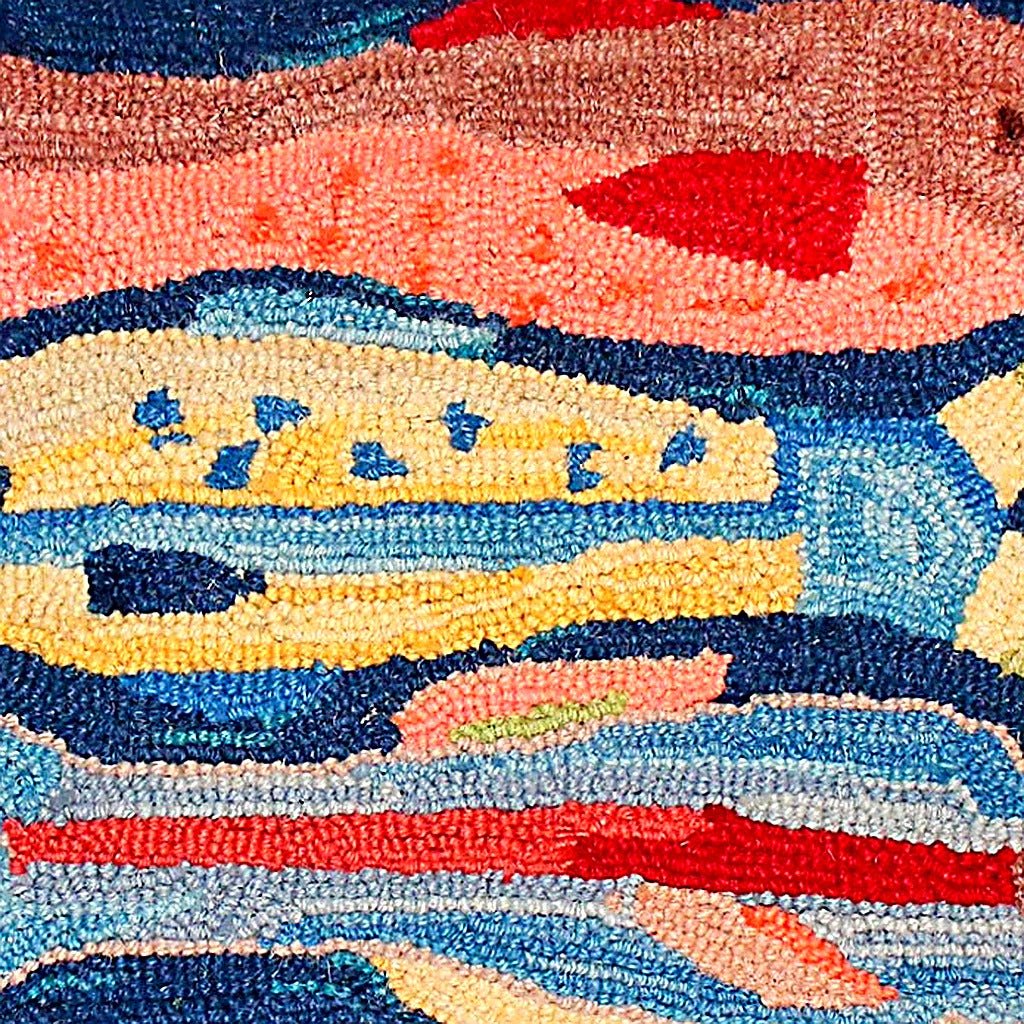
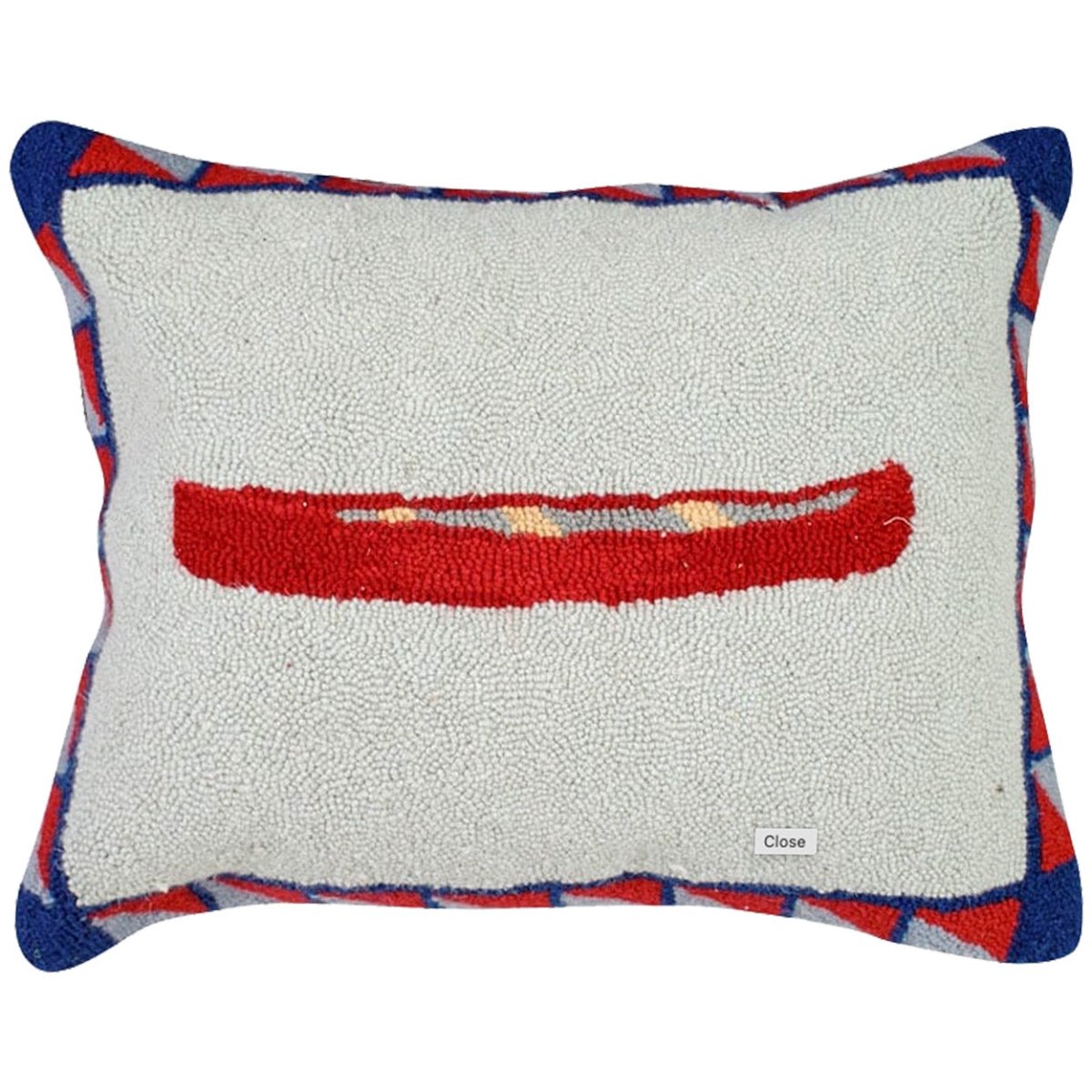
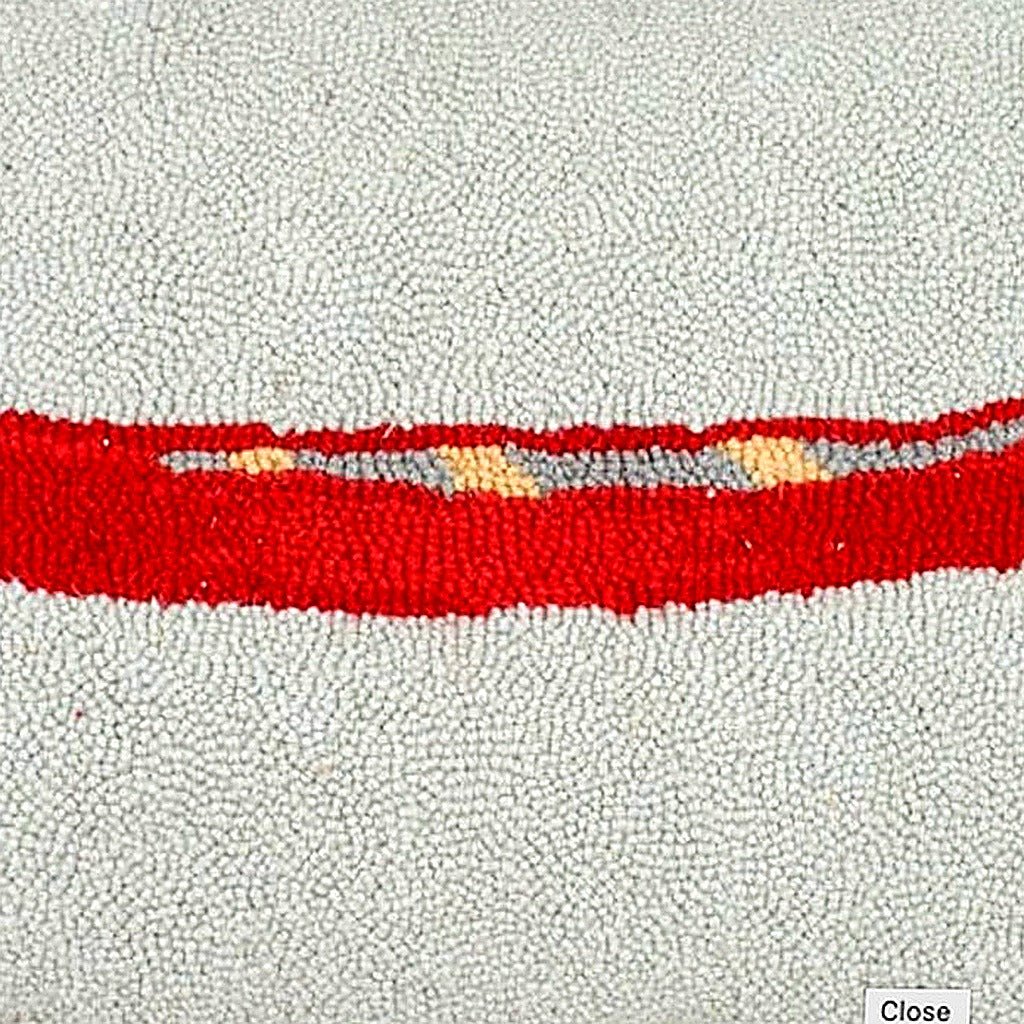
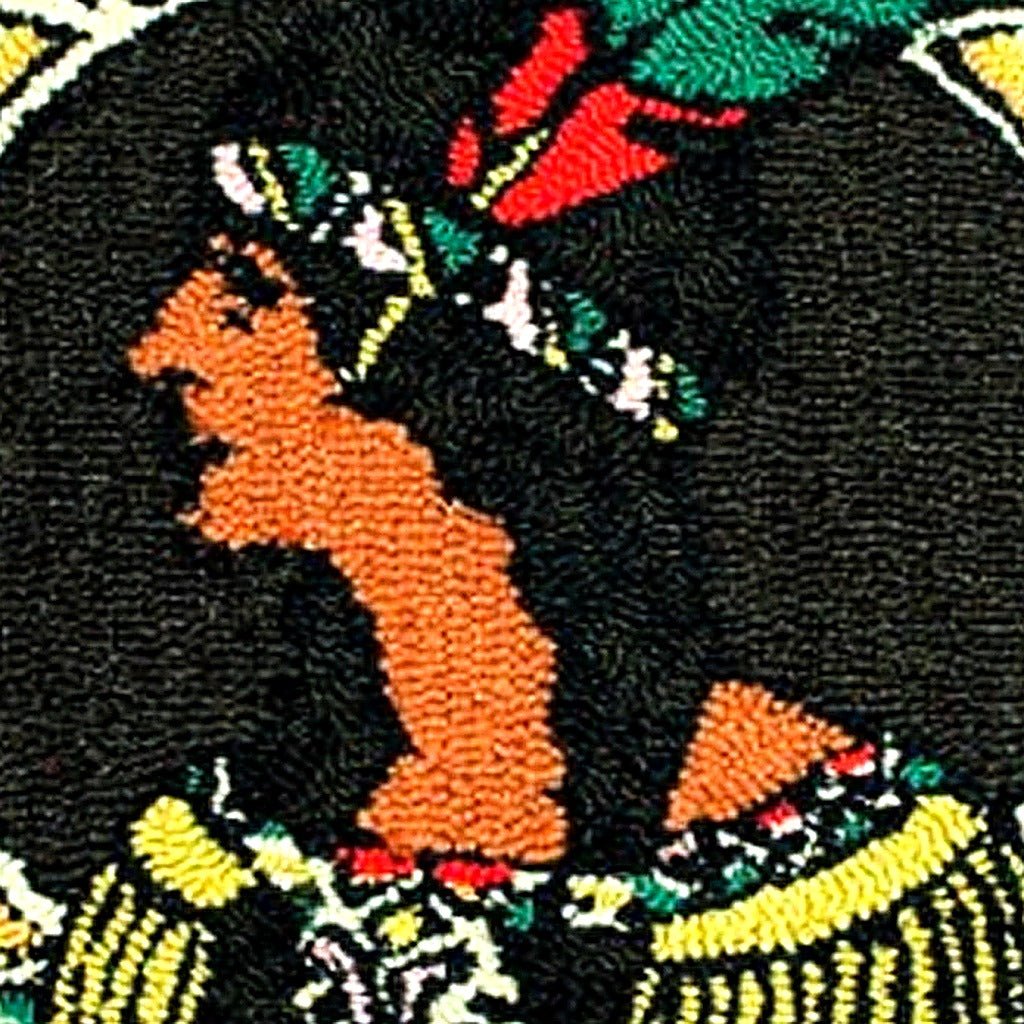
A hooked pillow is made the same way a hooked rug is: a strip of wool is pulled up through a backing cloth with a hook, one loop at a time, until the loops crowd together tightly enough to hold each other in place. Nothing is glued and nothing is printed. The result has real relief, usually a few millimeters of it, which is why a hooked pillow photographs poorly and looks superb in person. It is also why hooked pieces read as handmade instantly, even to someone who could not name the technique.
Where Hooked Wool Belongs
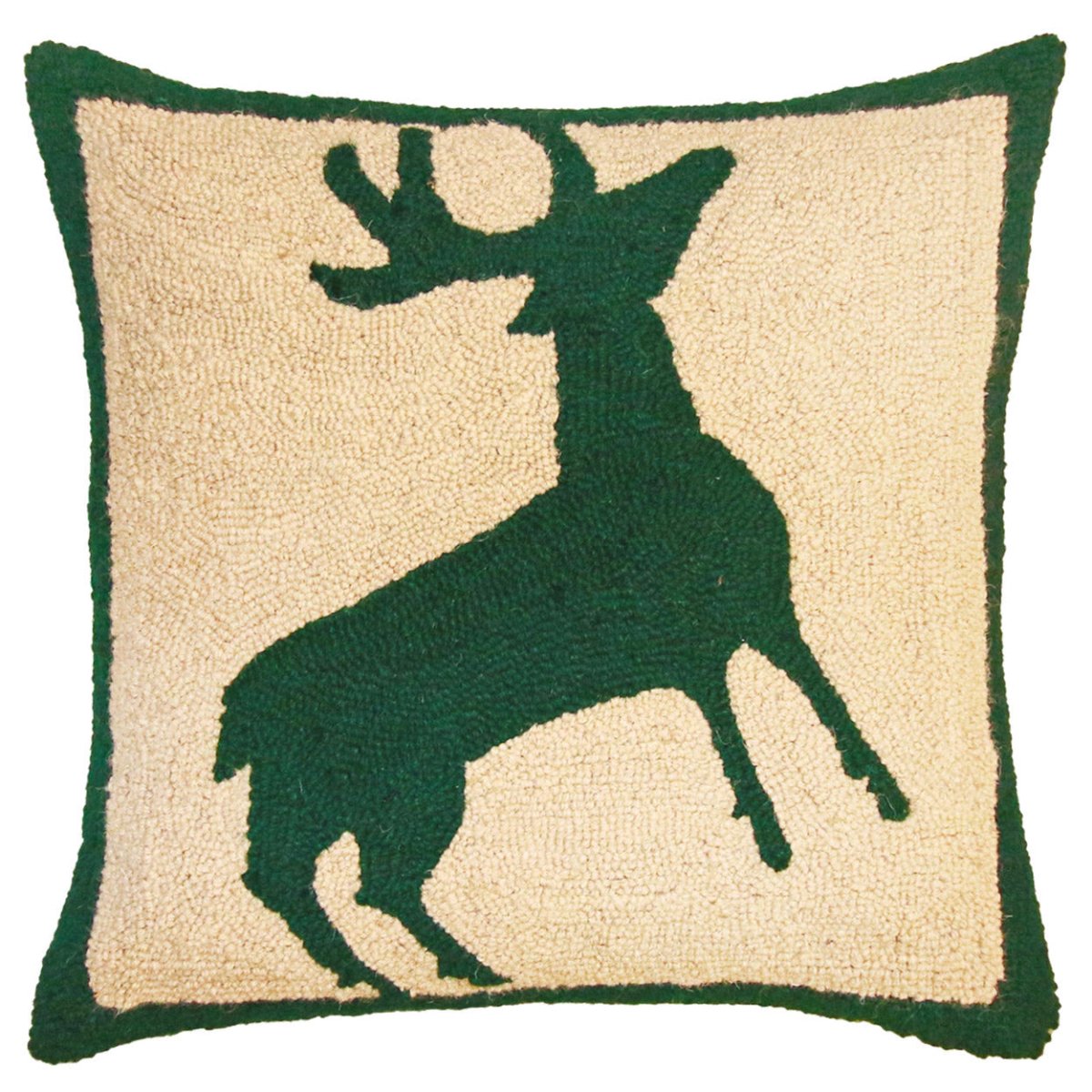
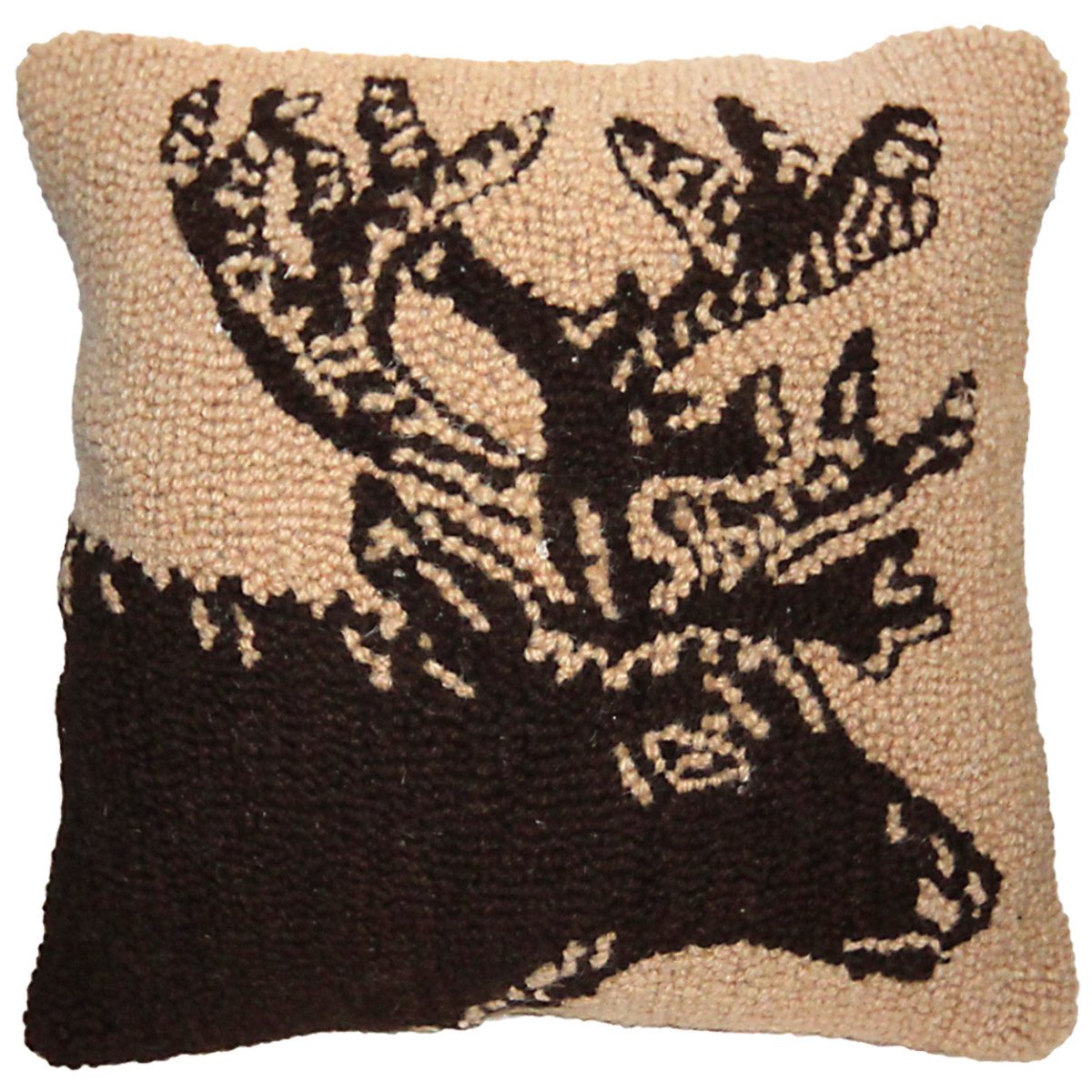
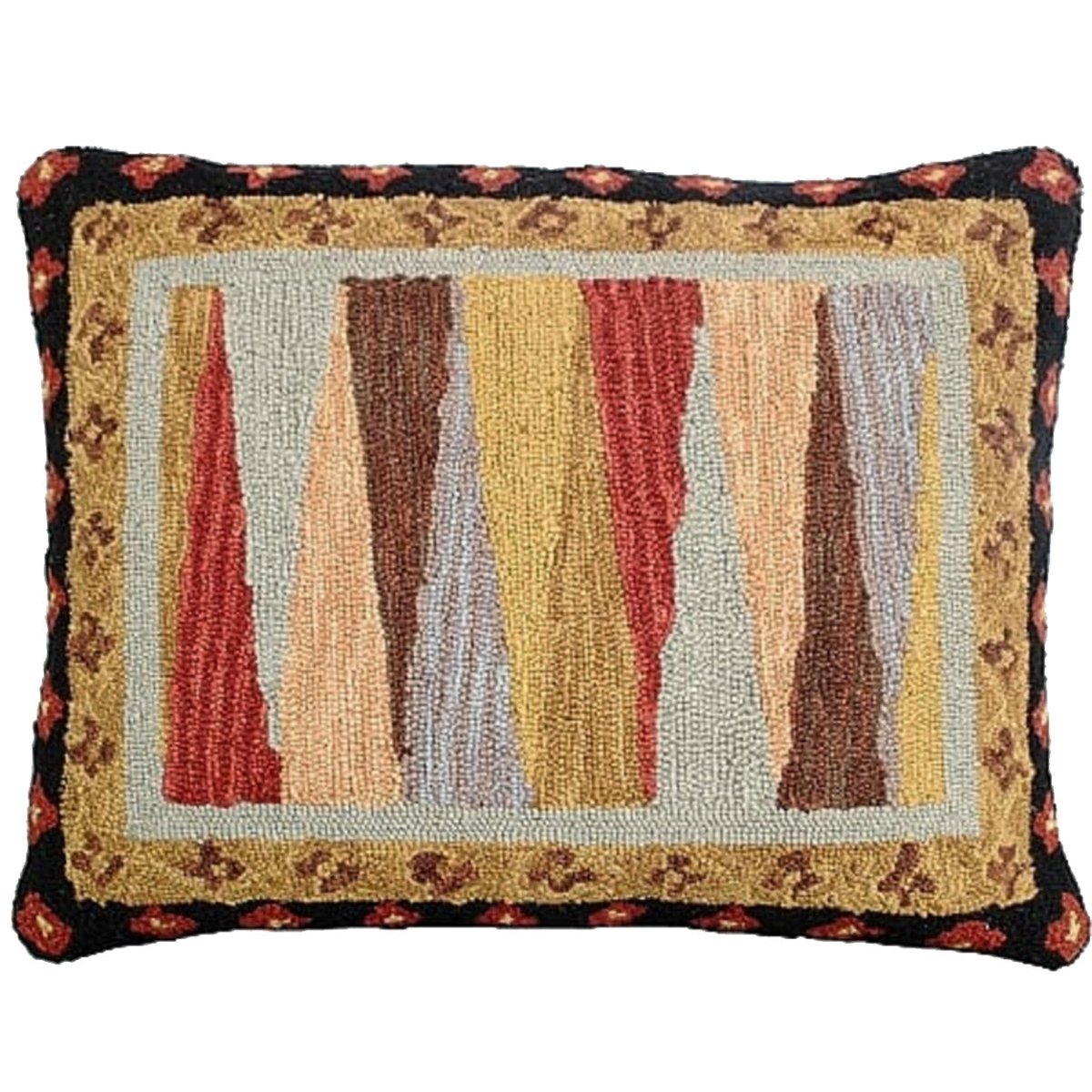
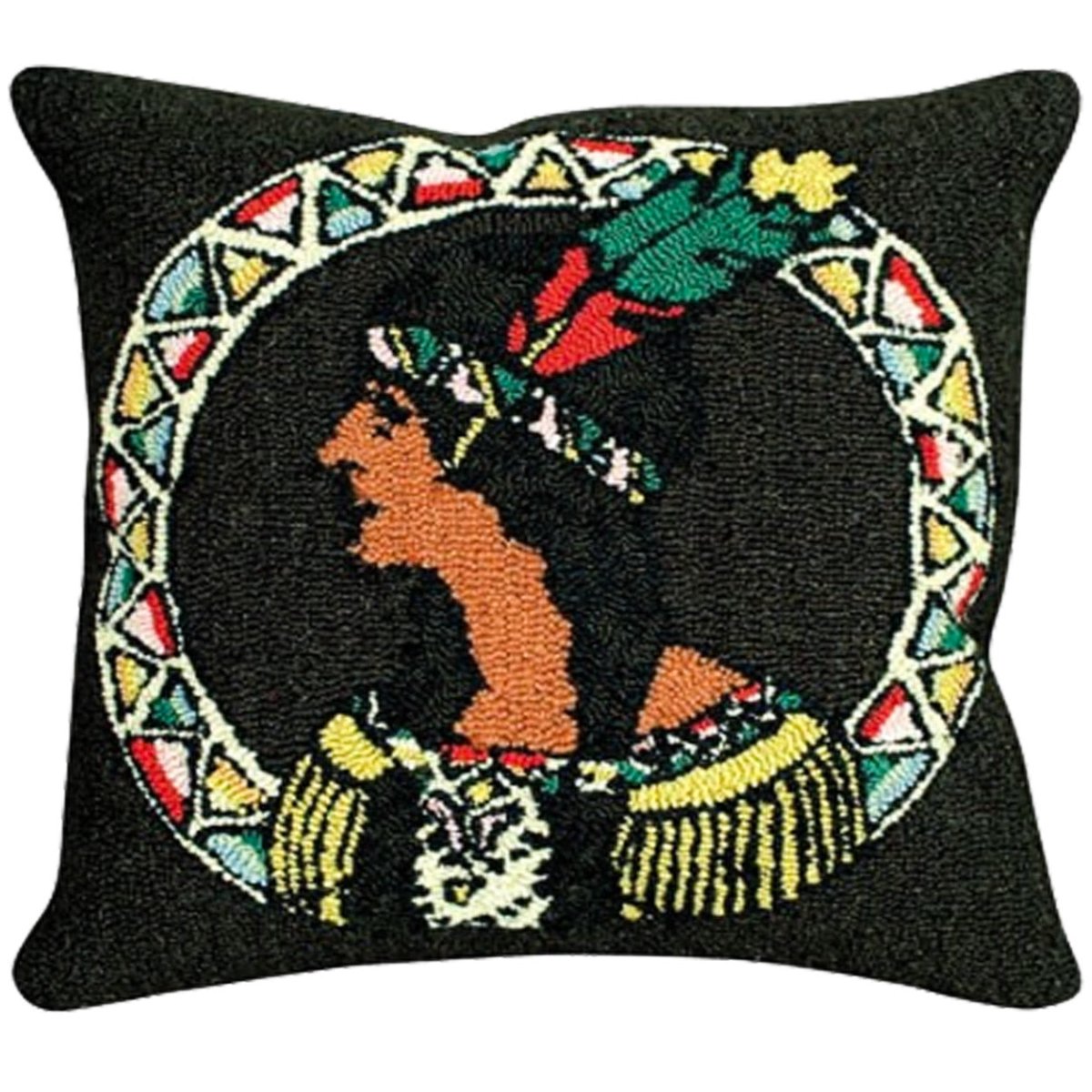
The texture wants a plain neighbor. Hooked pieces are at their best against smooth upholstery, leather, or linen, where the relief has something flat to work against. They are the natural fit for lodges, cabins and lake houses, partly because the folk-art tradition grew up in exactly those places, and partly because the chunkiness suits rooms with wood and stone in them. In a more formal room, one hooked pillow among smoother needlepoint gives the group the variation it needs.
Durability, Honestly
Hooked wool is tough. The loops are wool, the backing is sturdy, and a well-made hooked piece will take daily use for decades. The one genuine vulnerability is snagging: a pet claw or a watch band can pull a loop long. If that happens, do not cut it. Work it back down from the reverse with a blunt needle or the tip of a crochet hook, and it disappears.
Cleaning, Which Is Different From the Rest of the Site
This is the one place our care advice splits. Hooked pillows are spot clean only. Both dry cleaning solvent and machine washing pull and distort the loops, and once a hooked surface has been through a wash it never recovers its original relief. Blot, do not rub. Use as little water as the job allows. Our needlepoint and embroidered pieces can be dry cleaned; hooked ones cannot, and any cleaner who tells you otherwise has not worked with them.
Every hooked pillow arrives with a poly insert included.