What Makes a Needlepoint Pillow
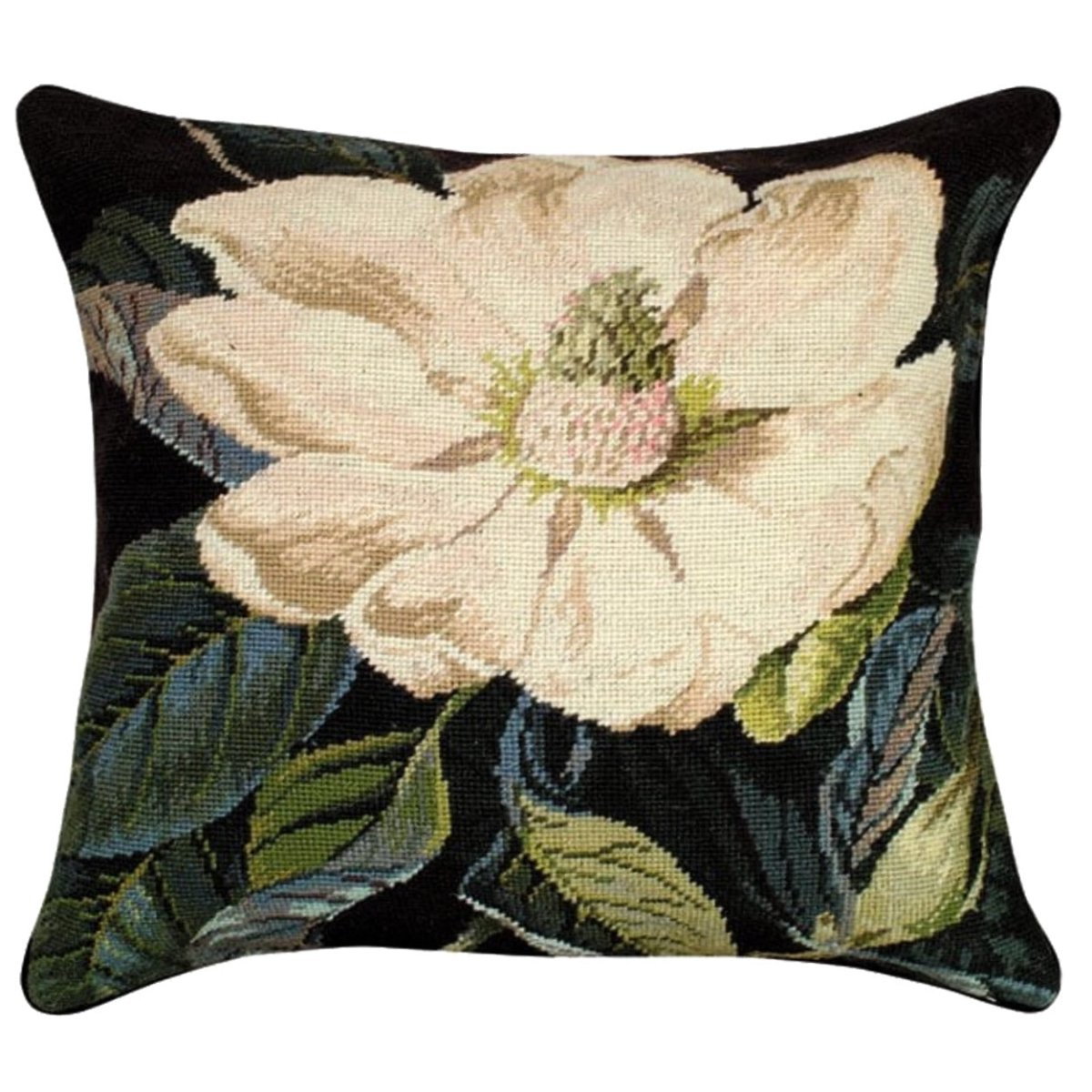
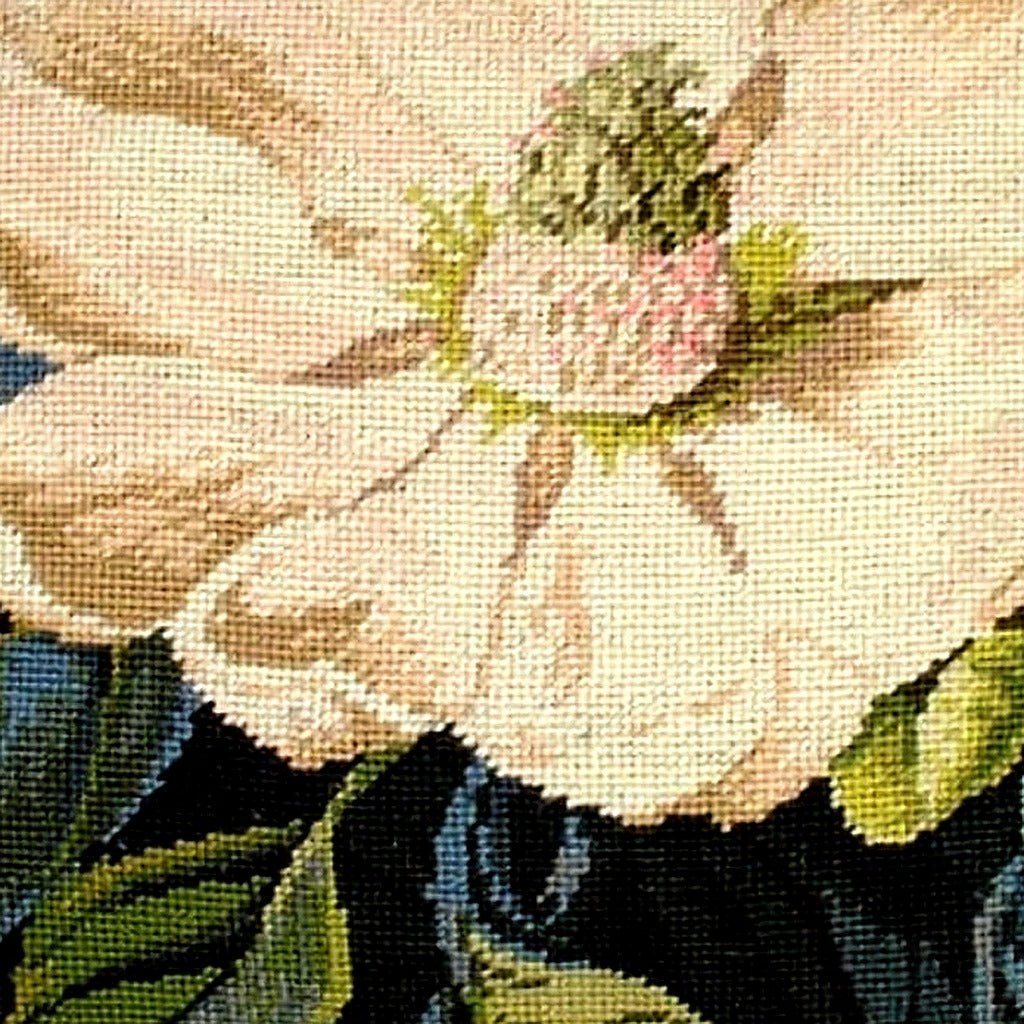
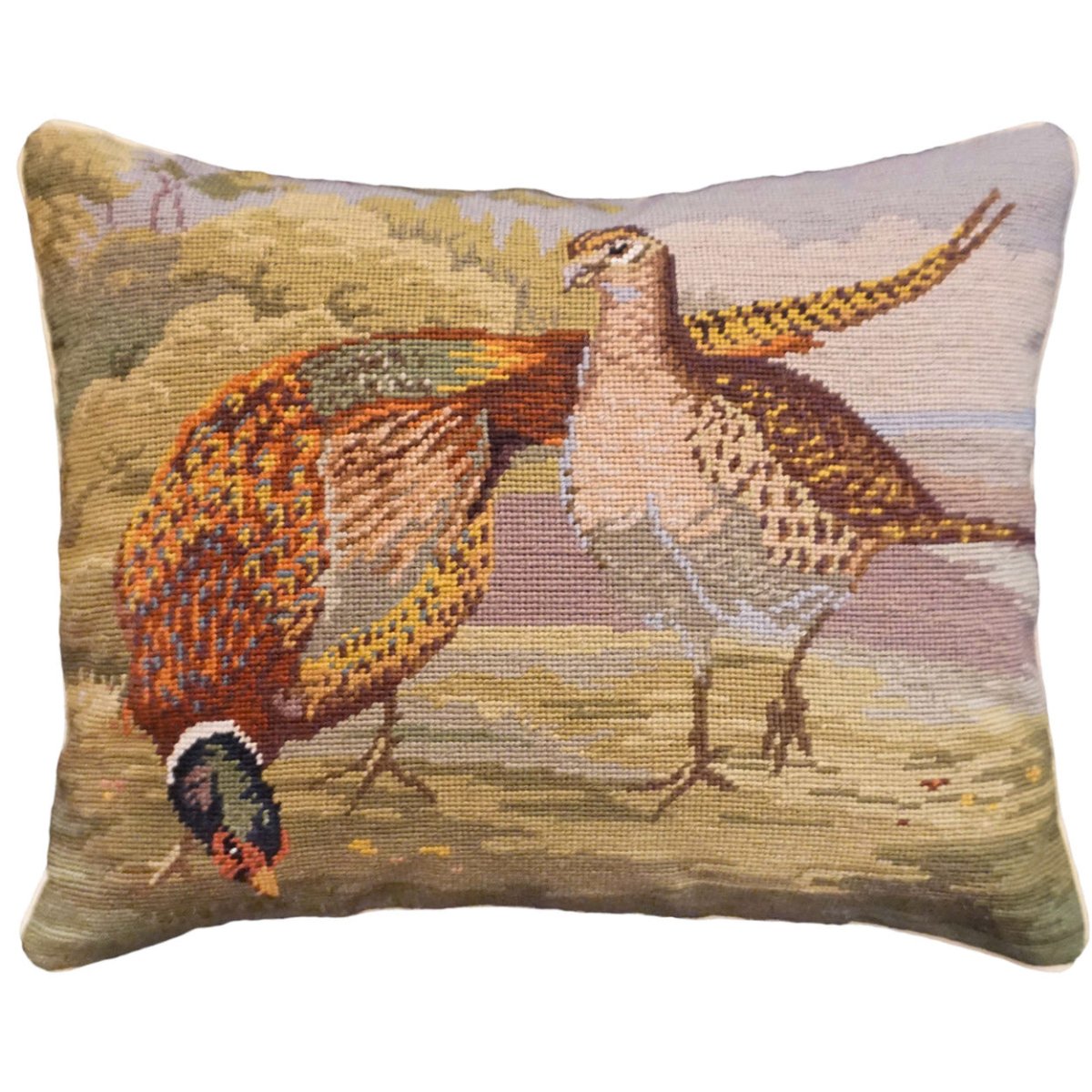
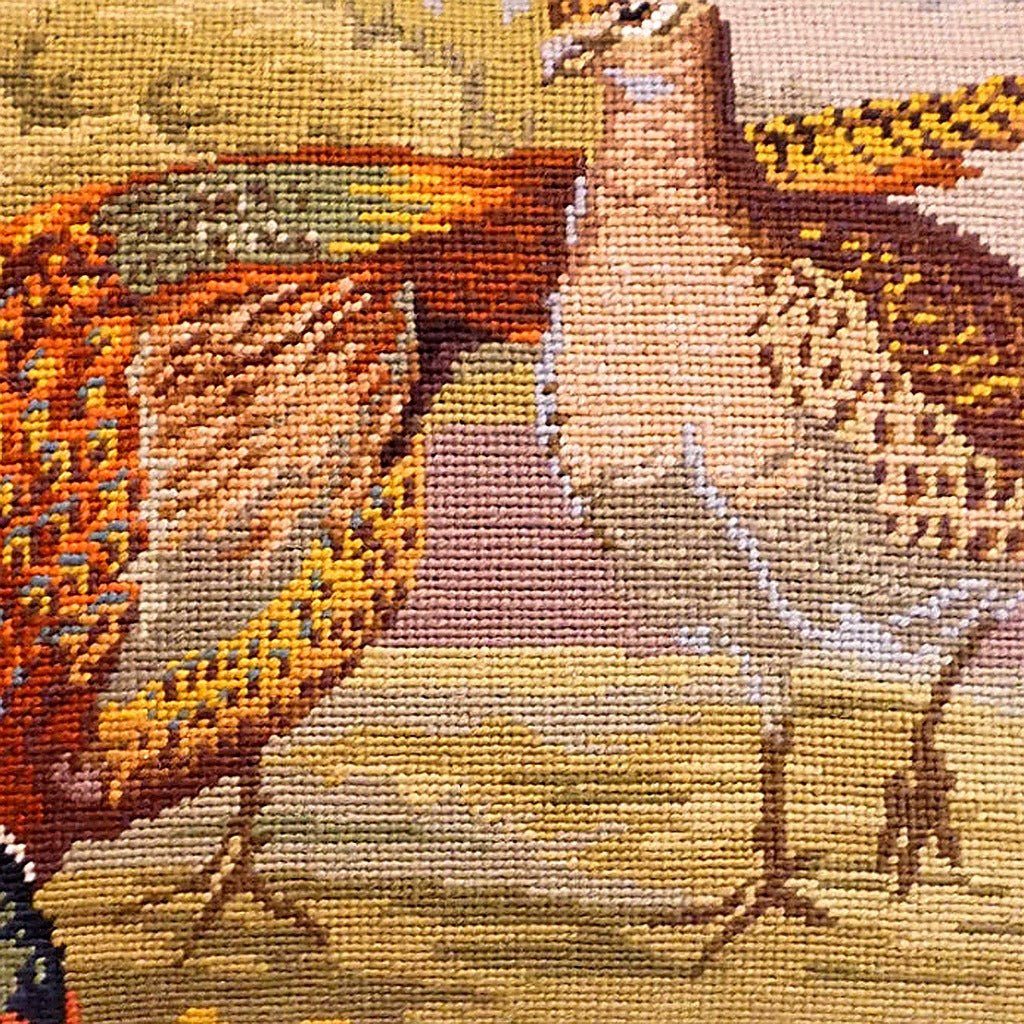
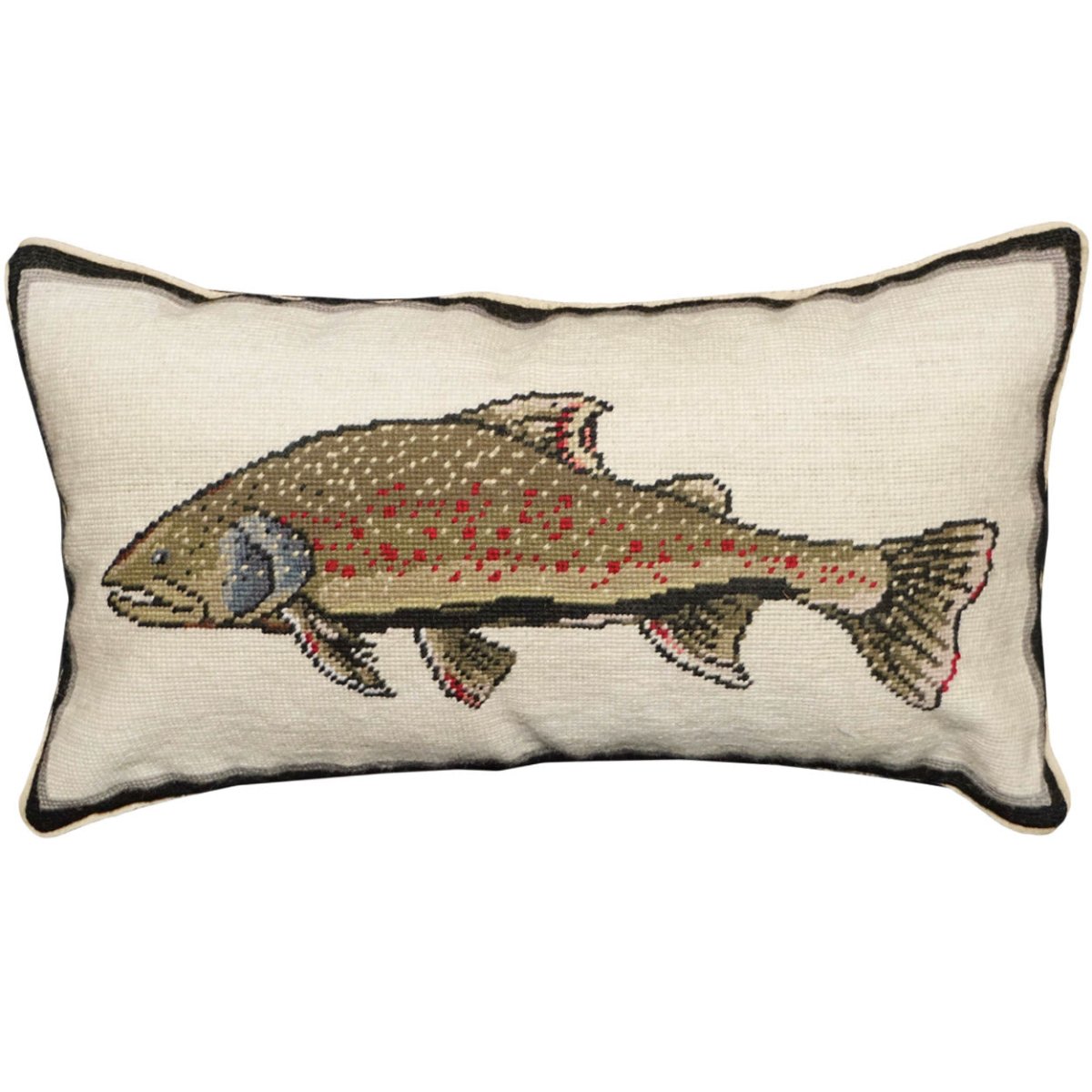
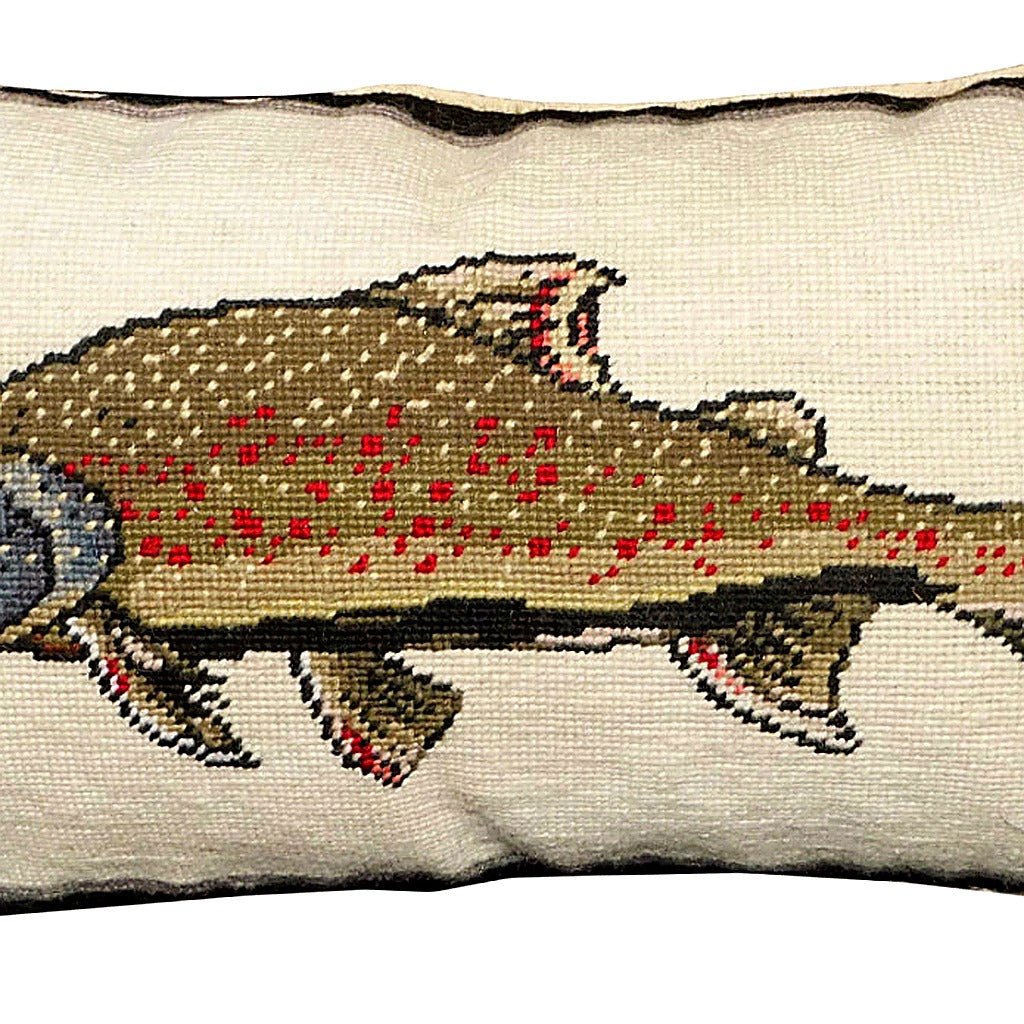
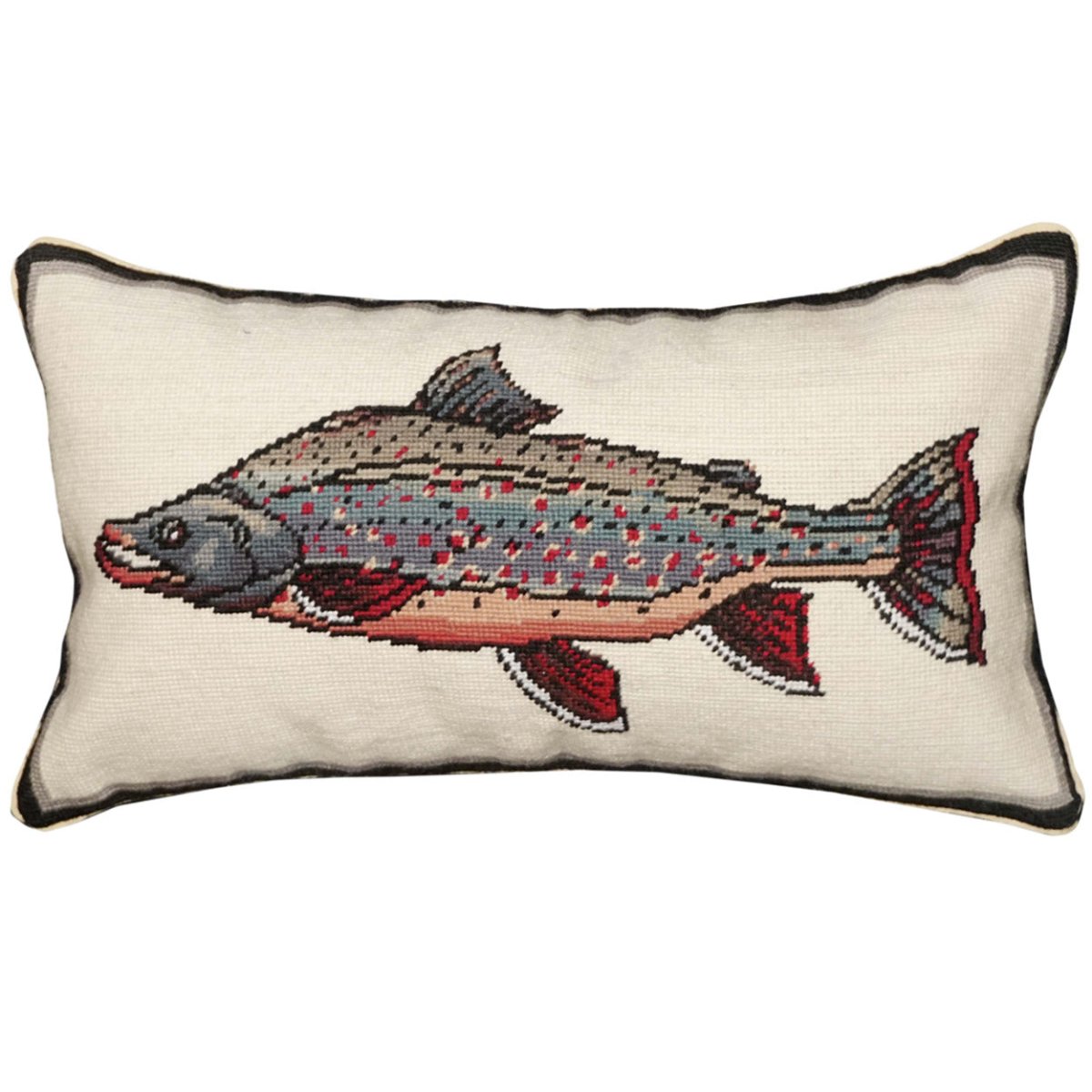
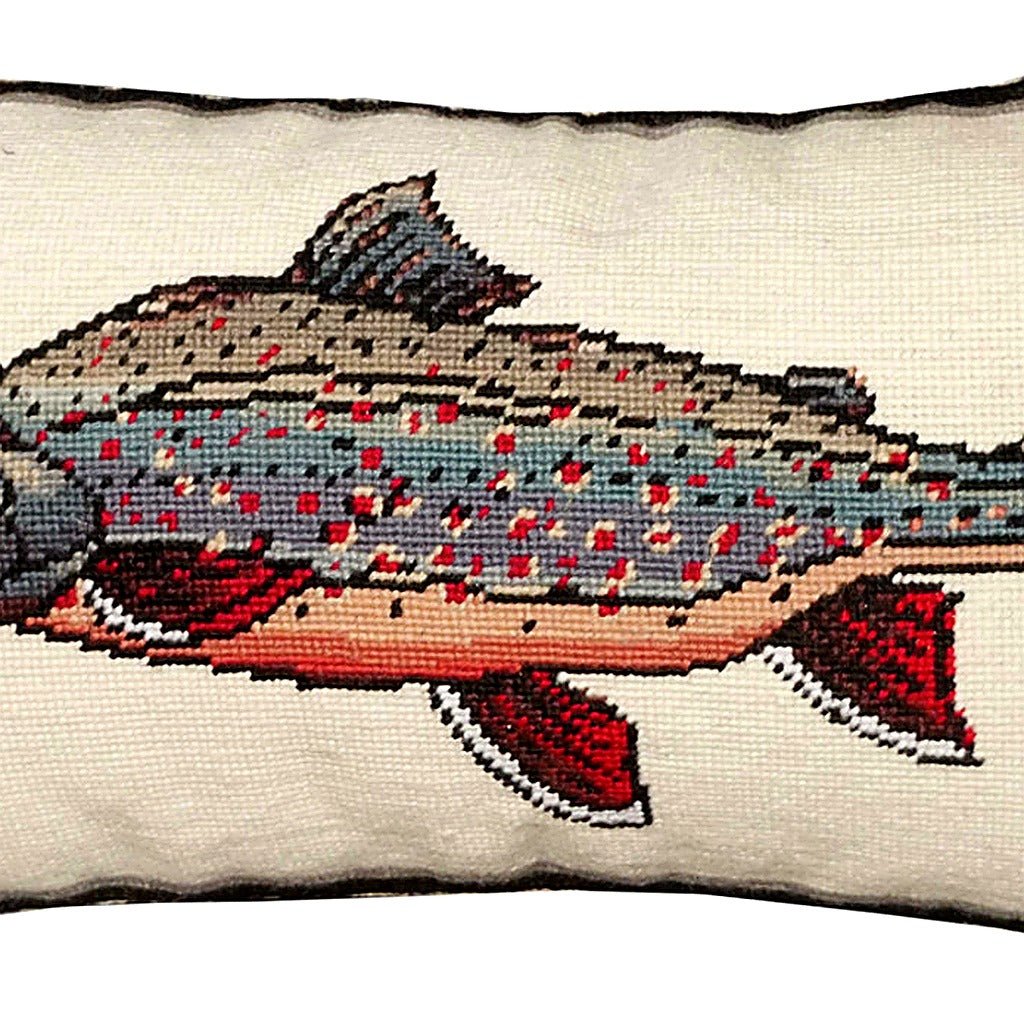
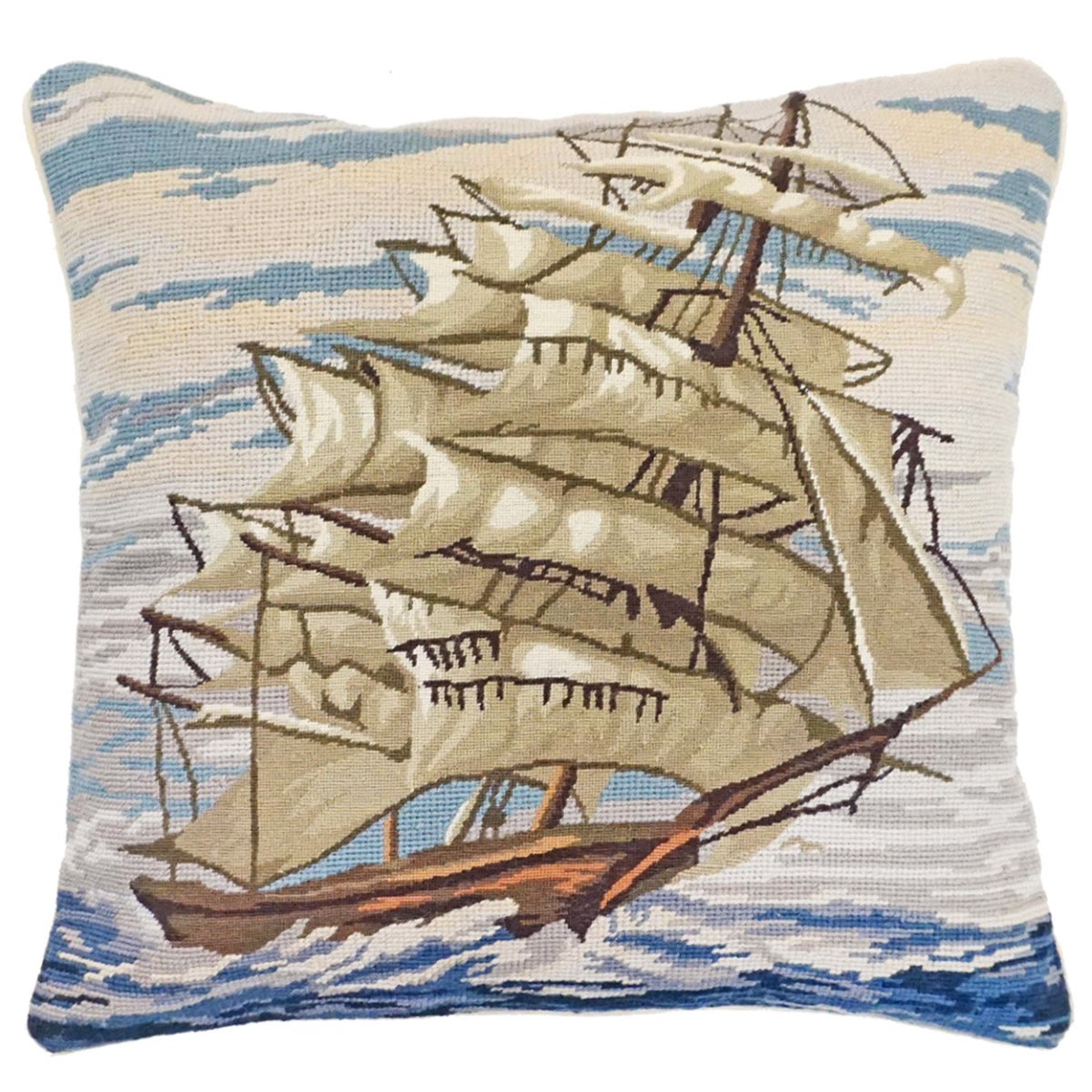
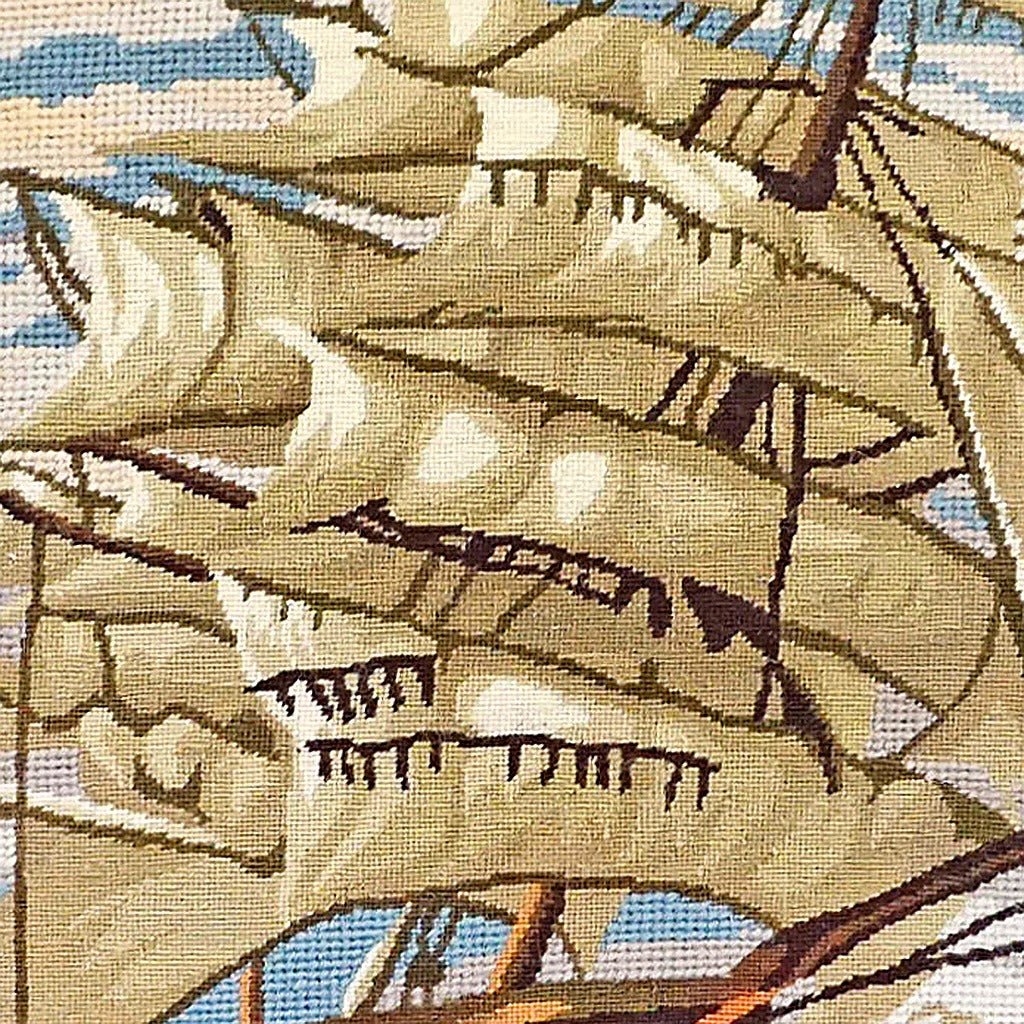
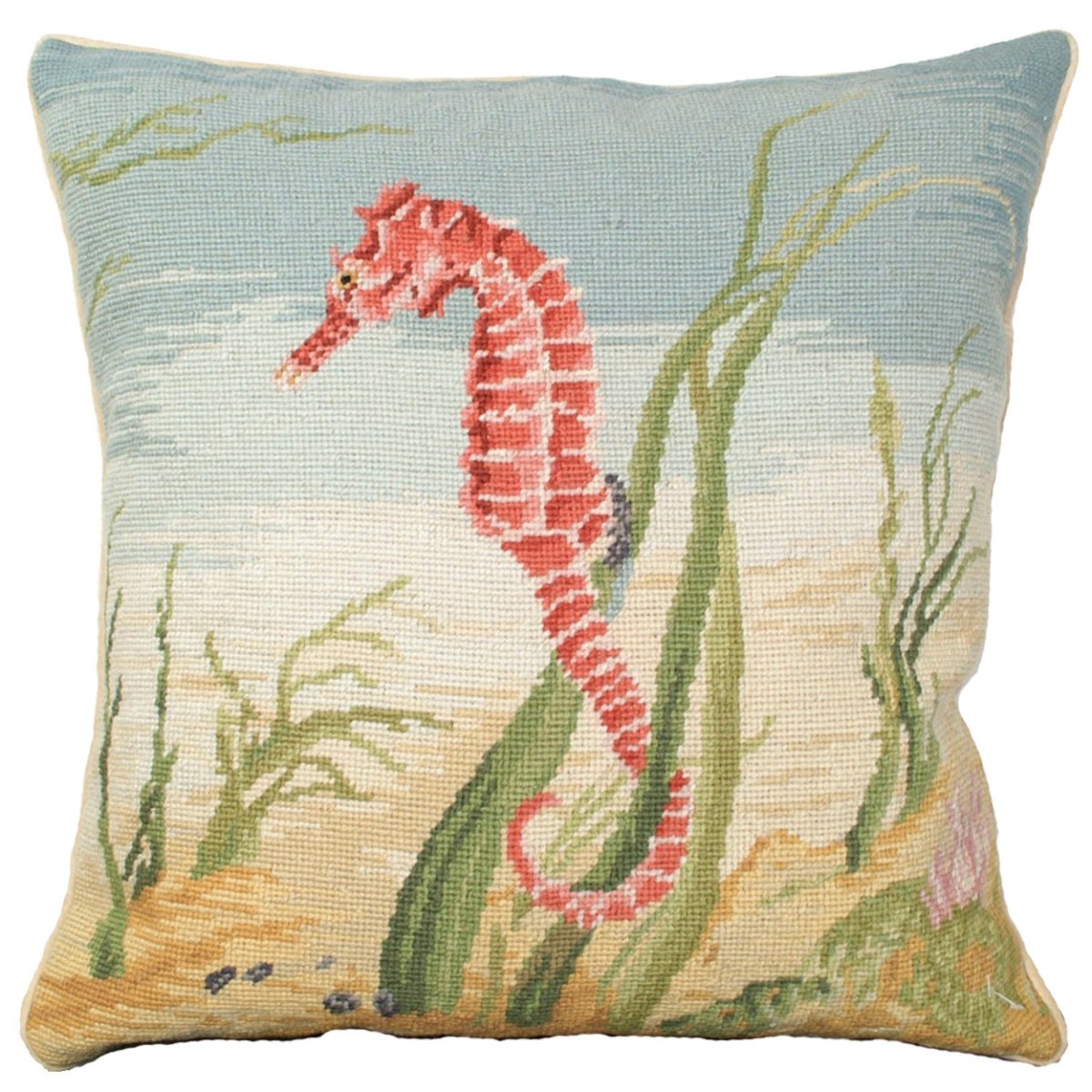
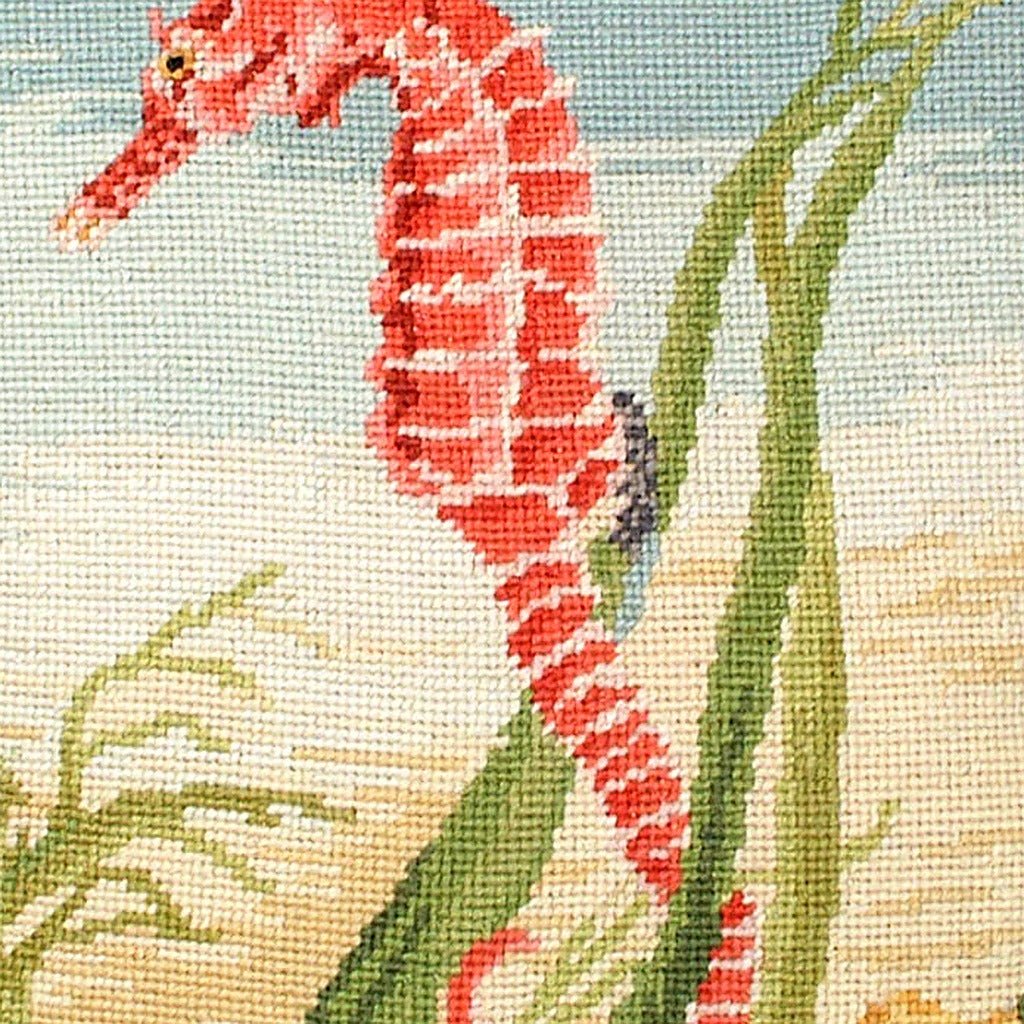
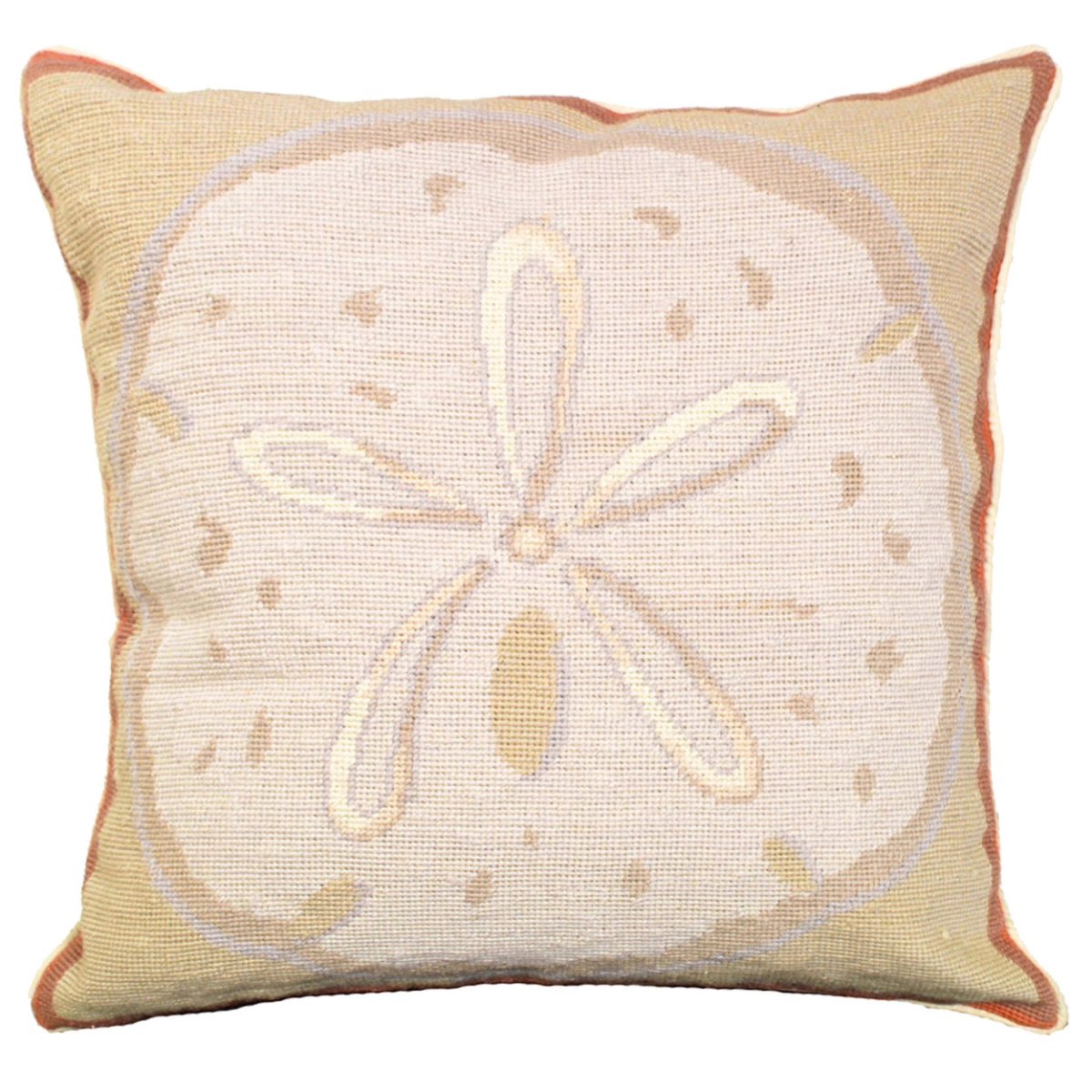
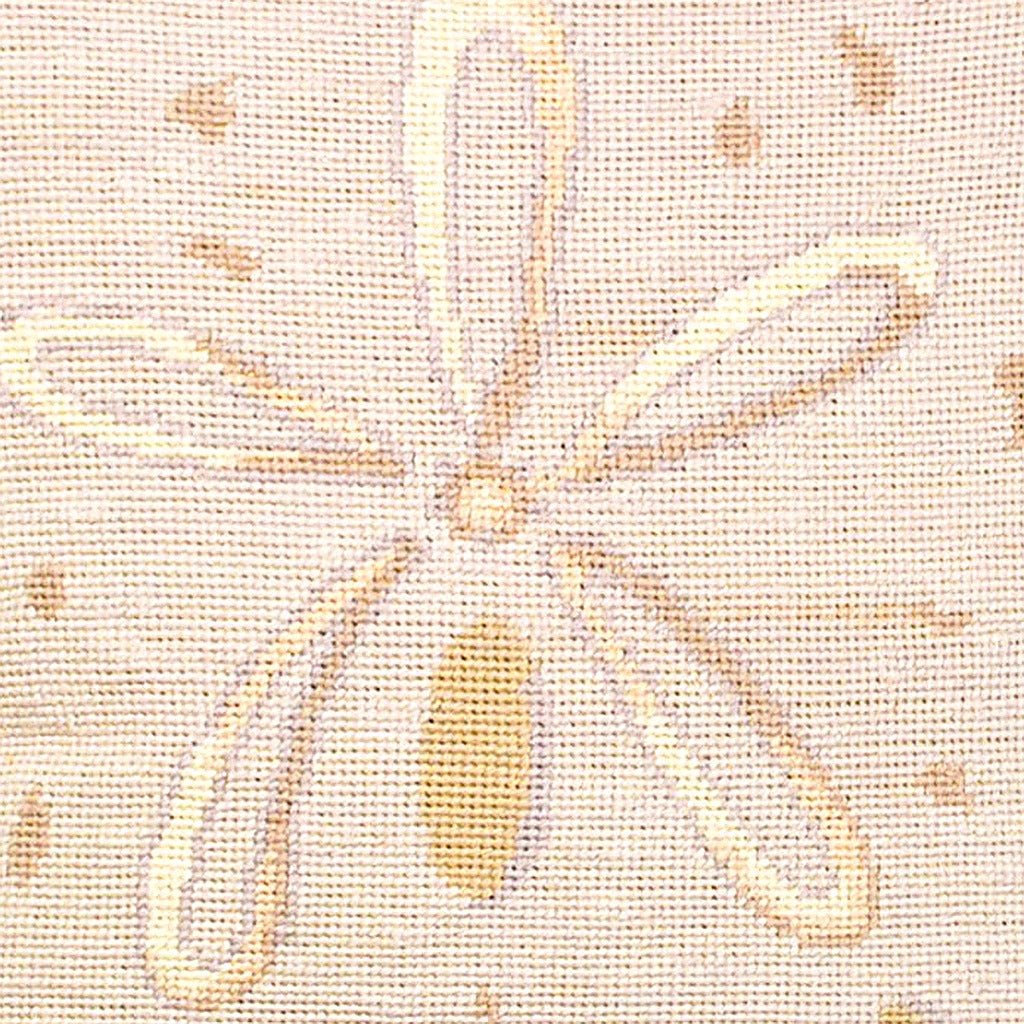
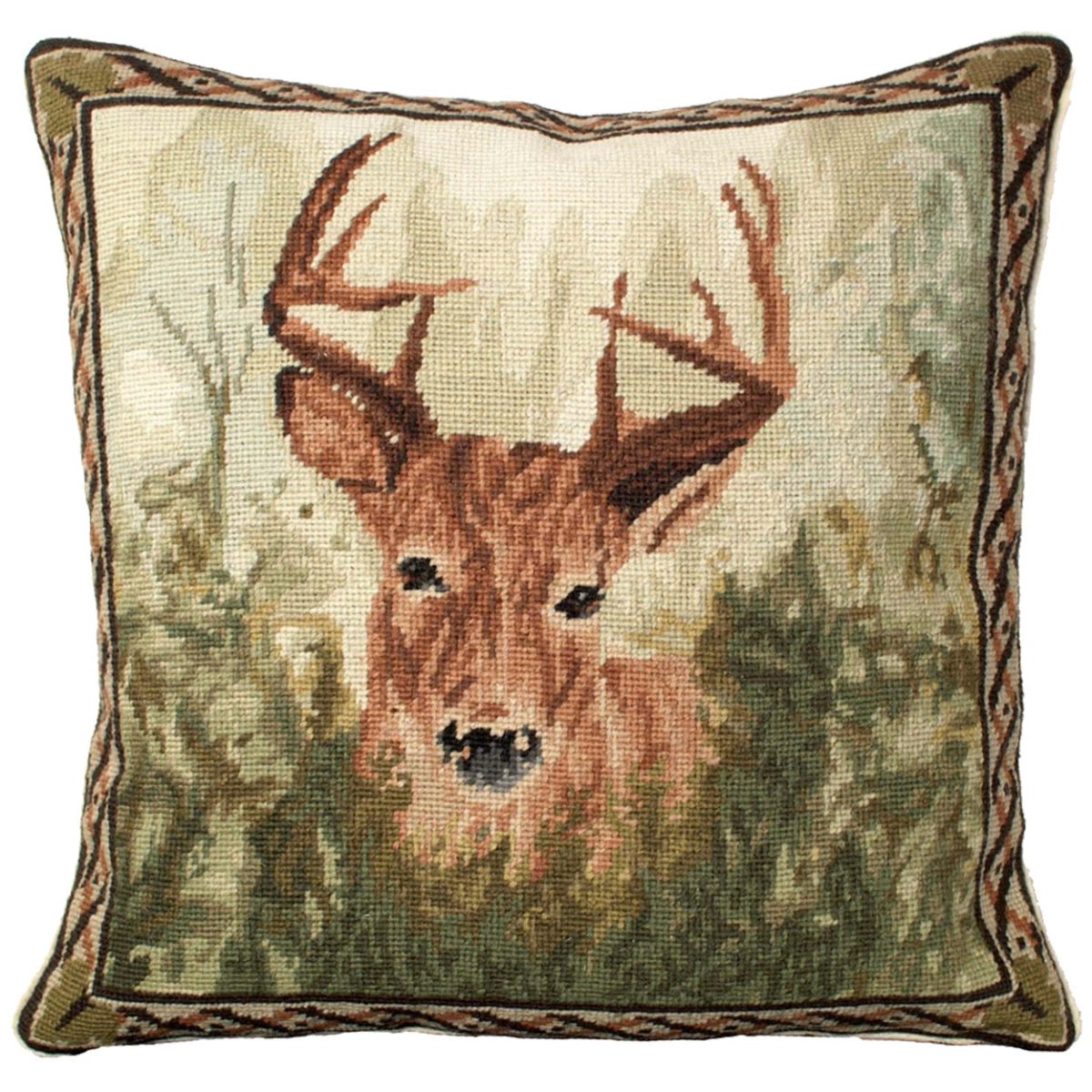
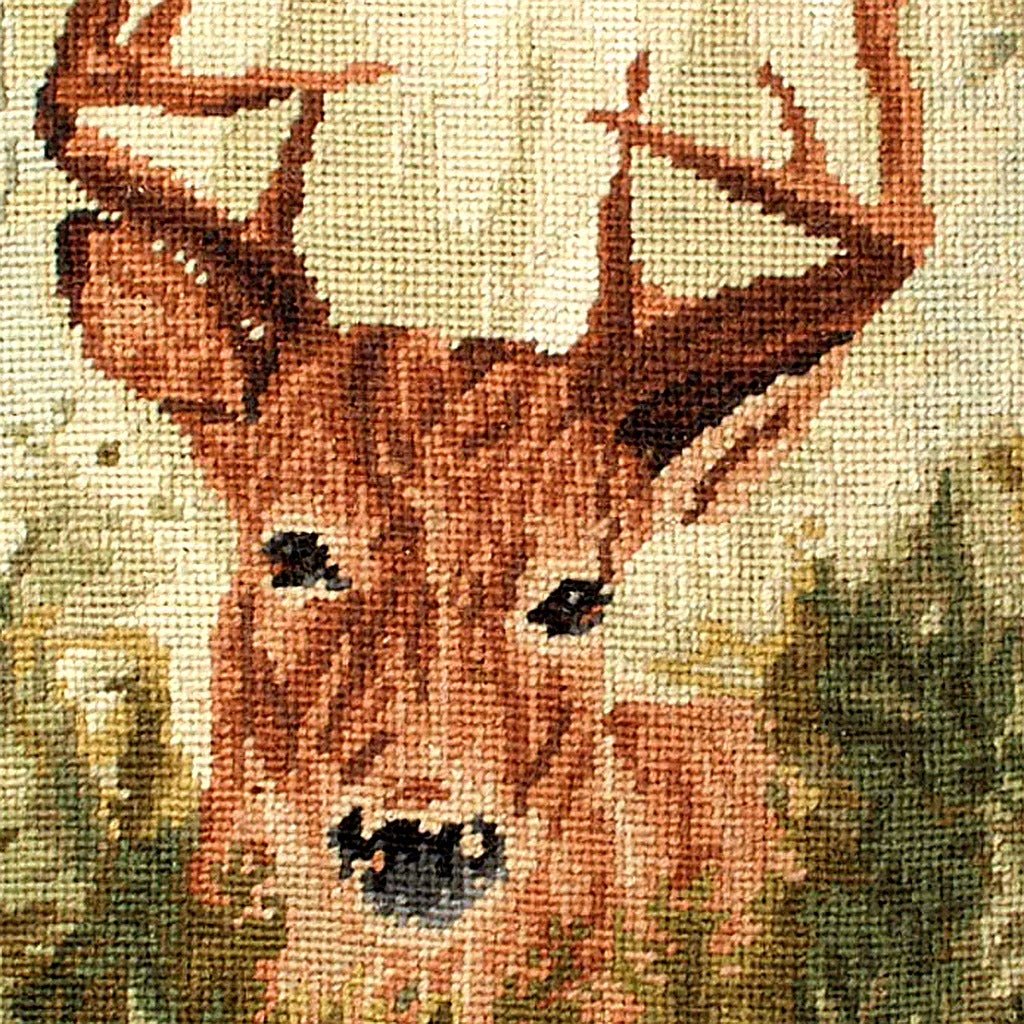
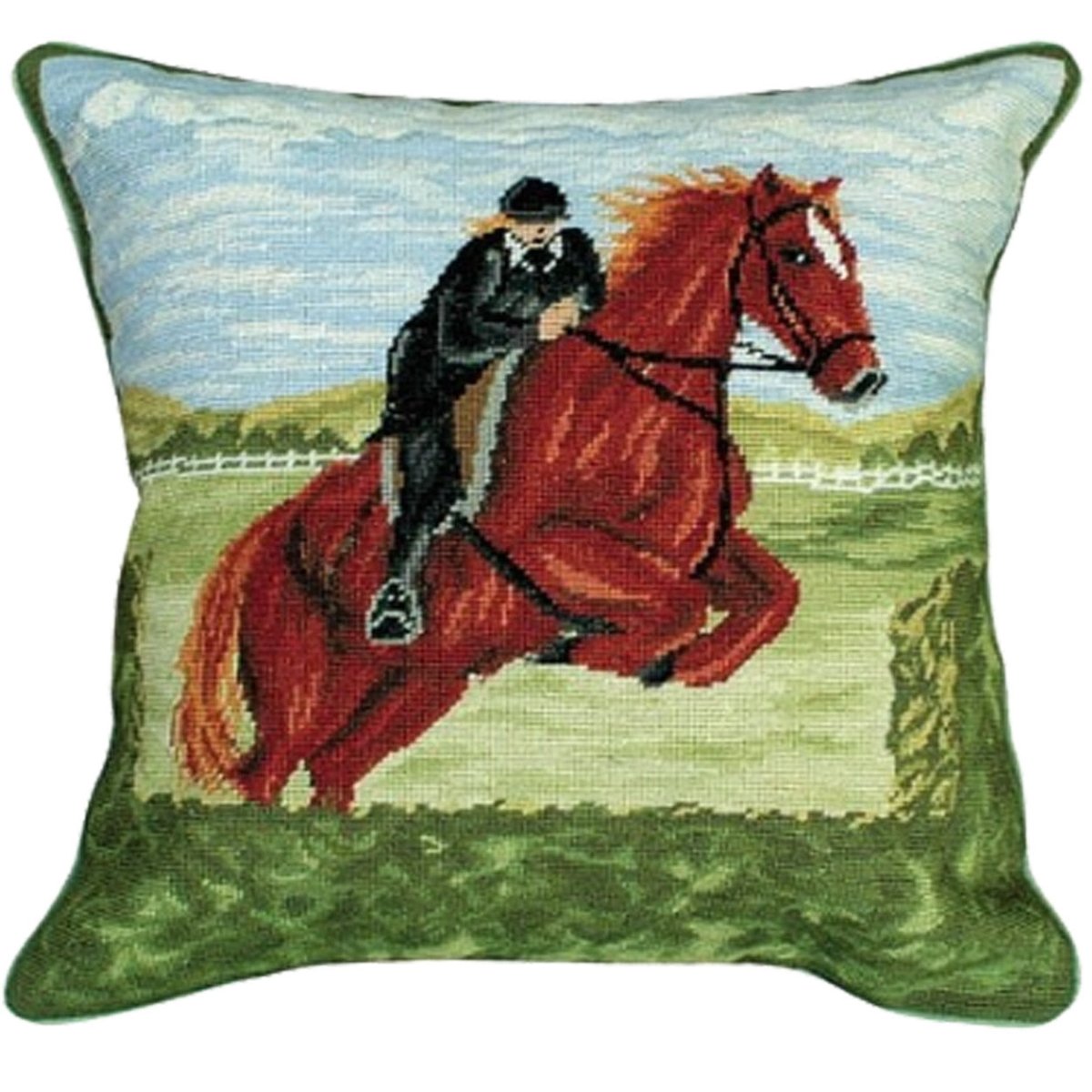
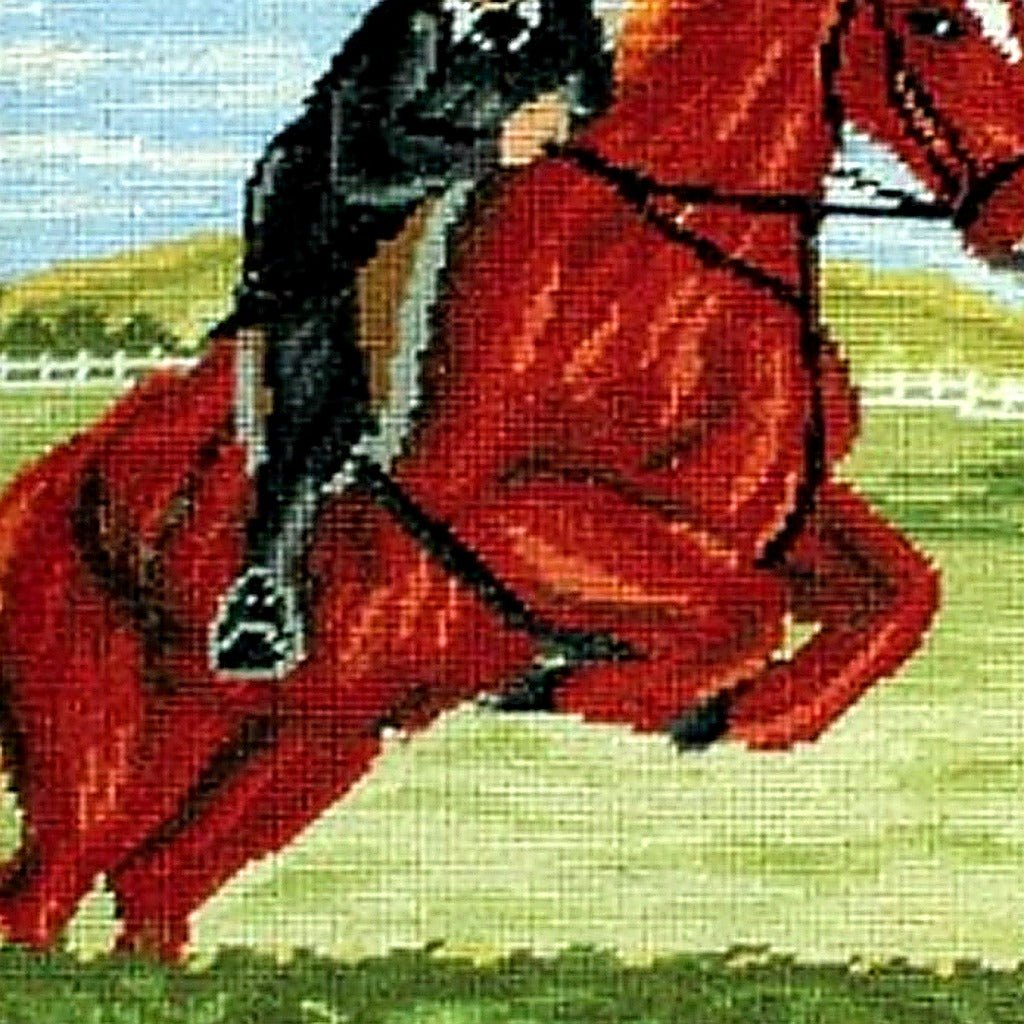
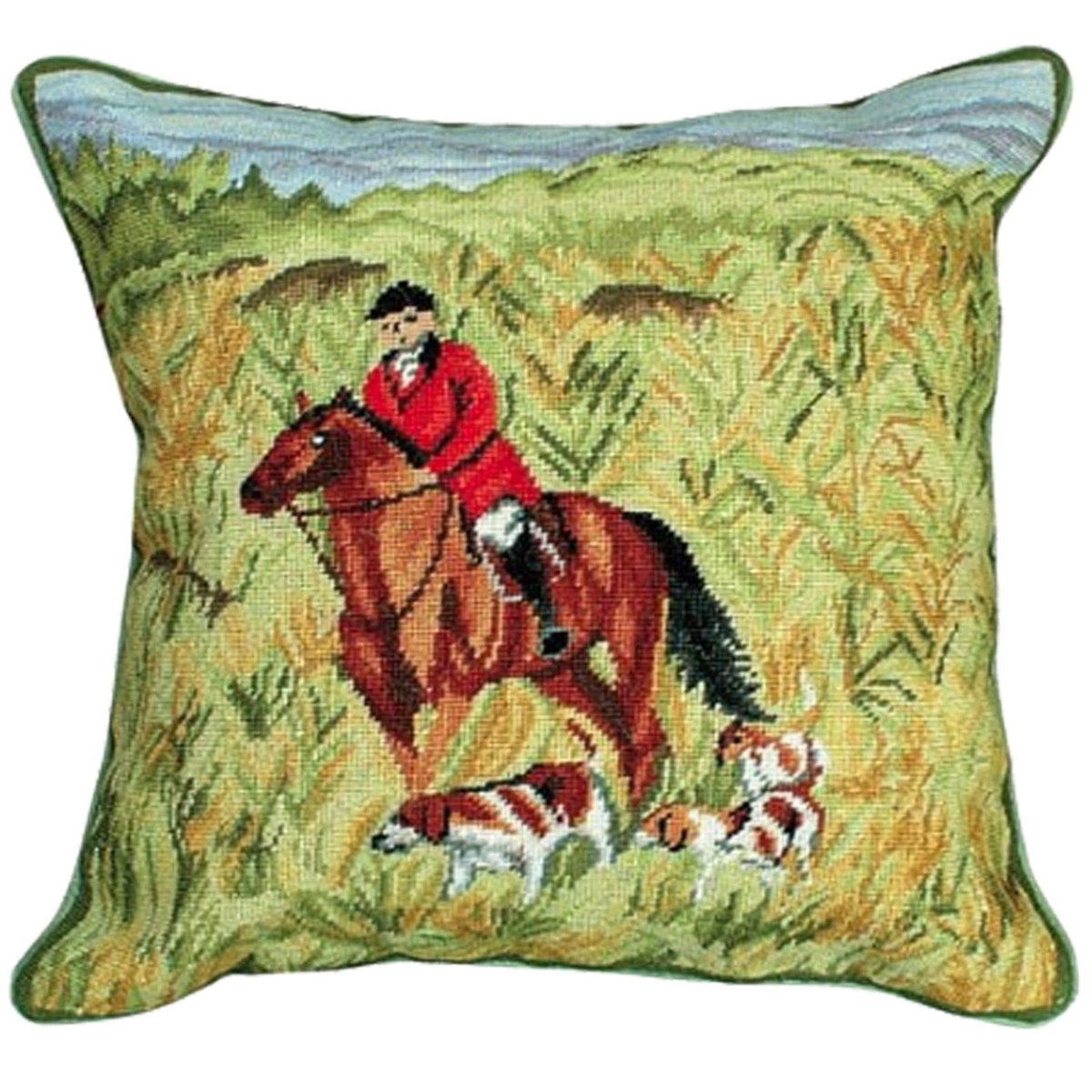
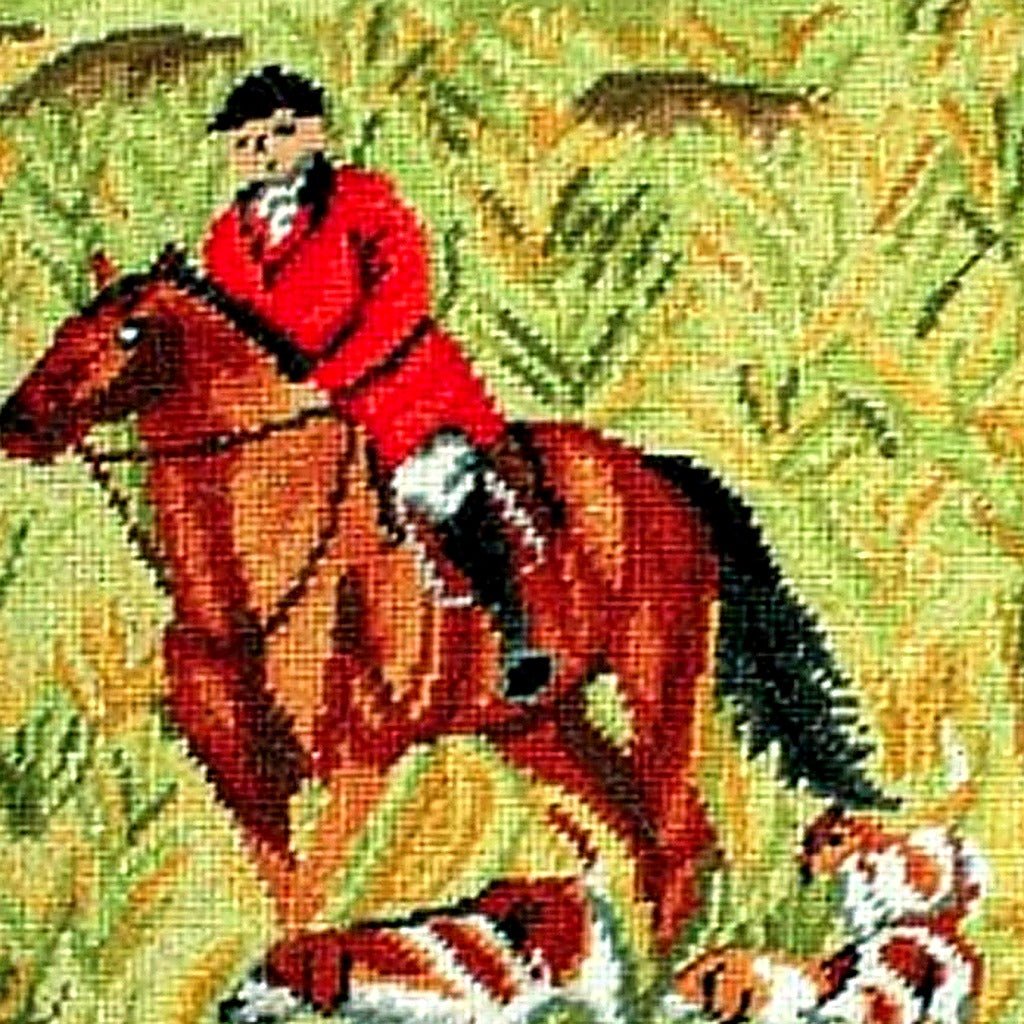
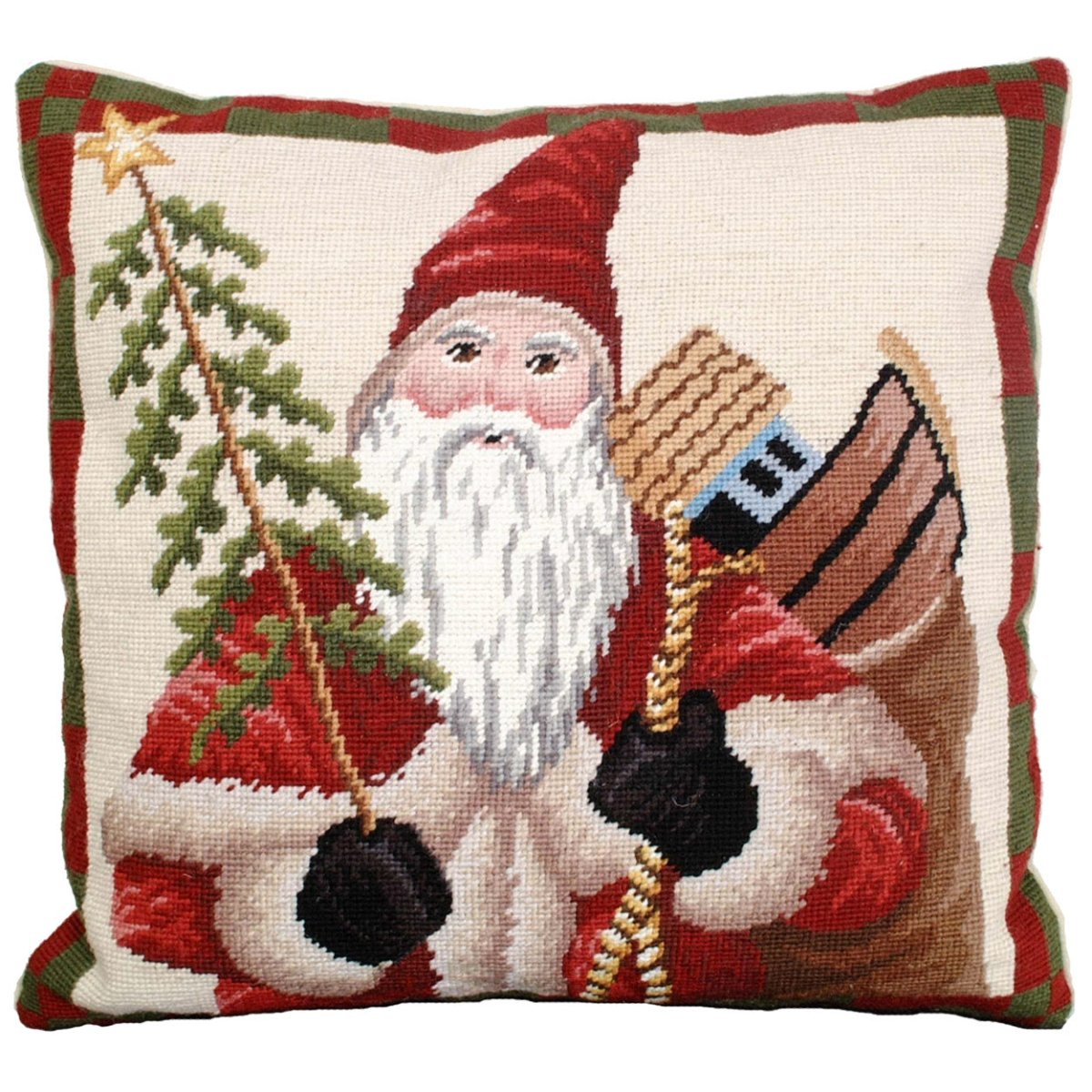
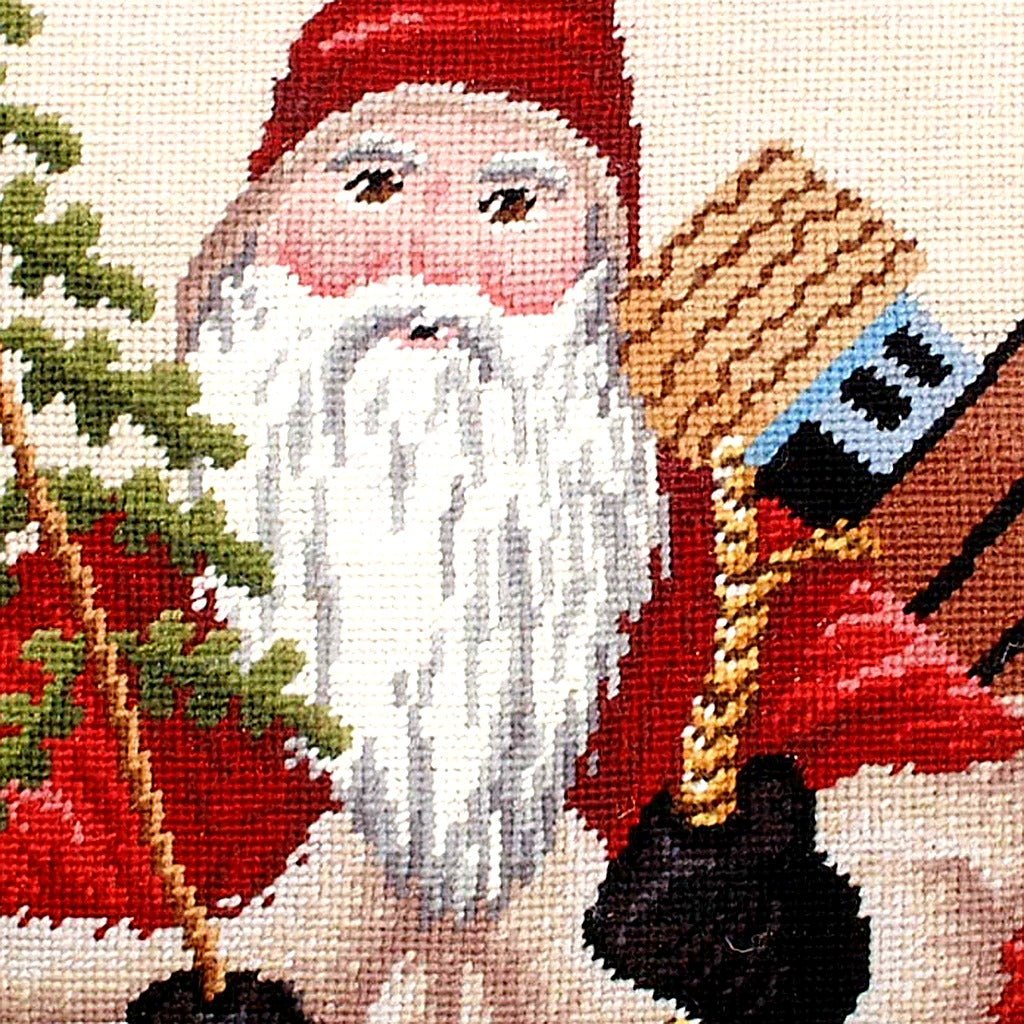
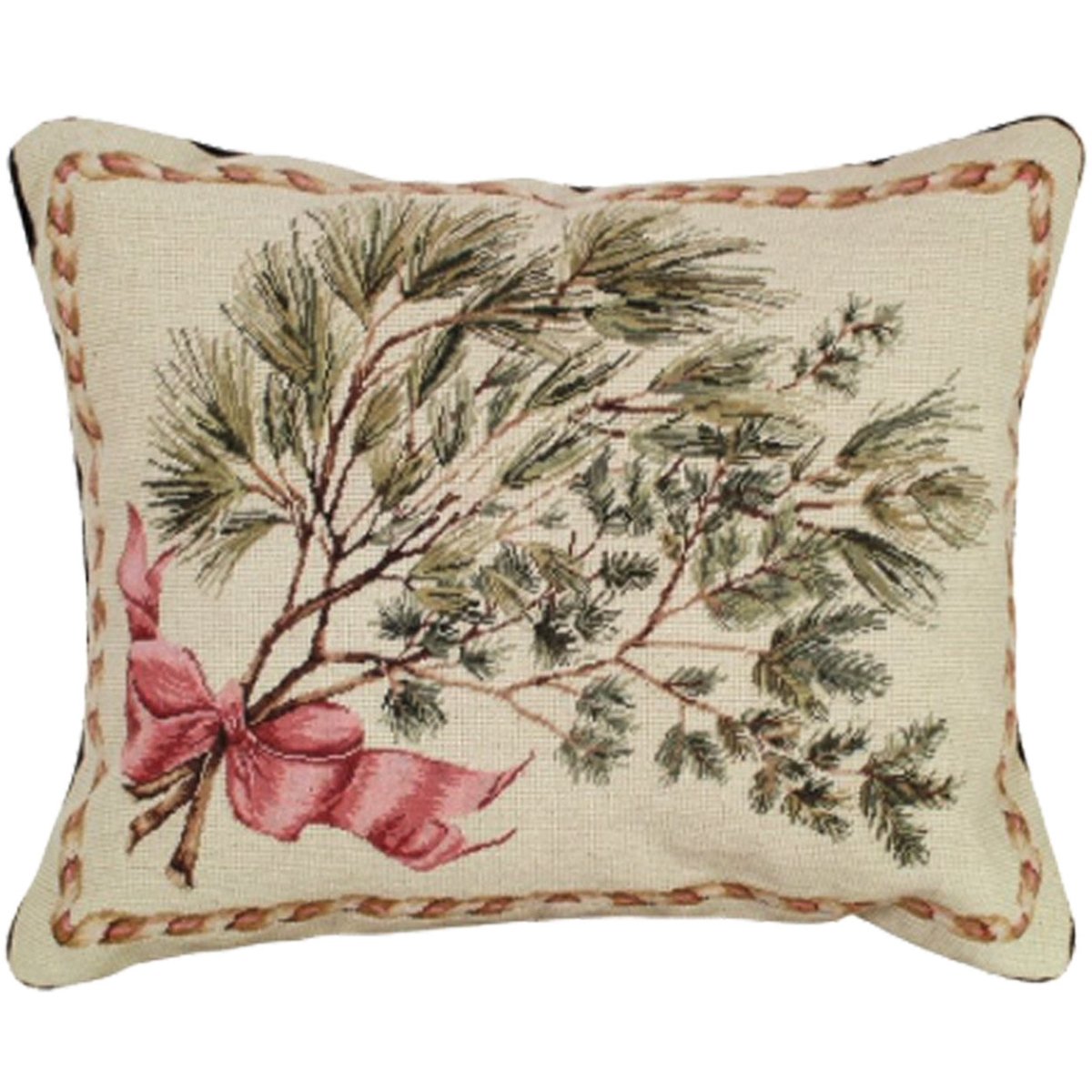
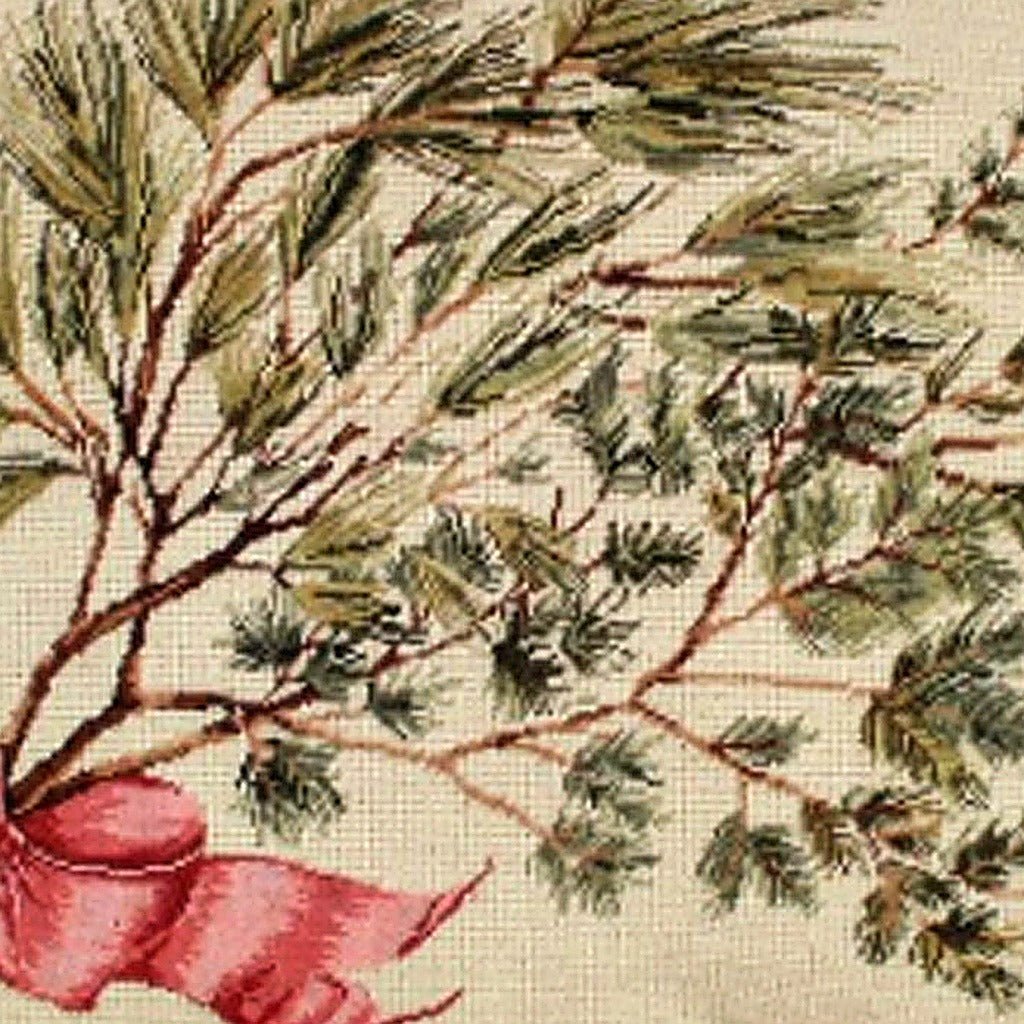
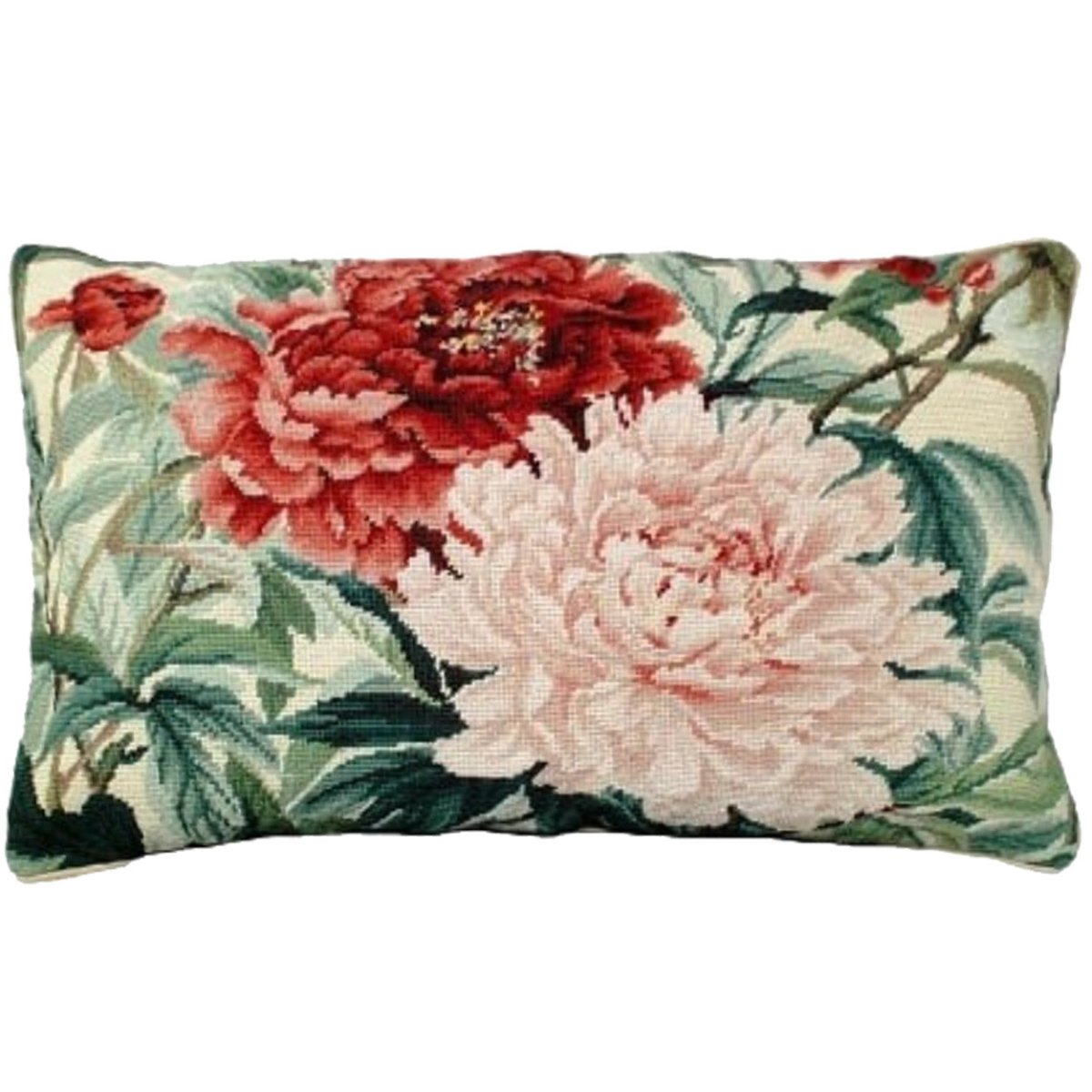
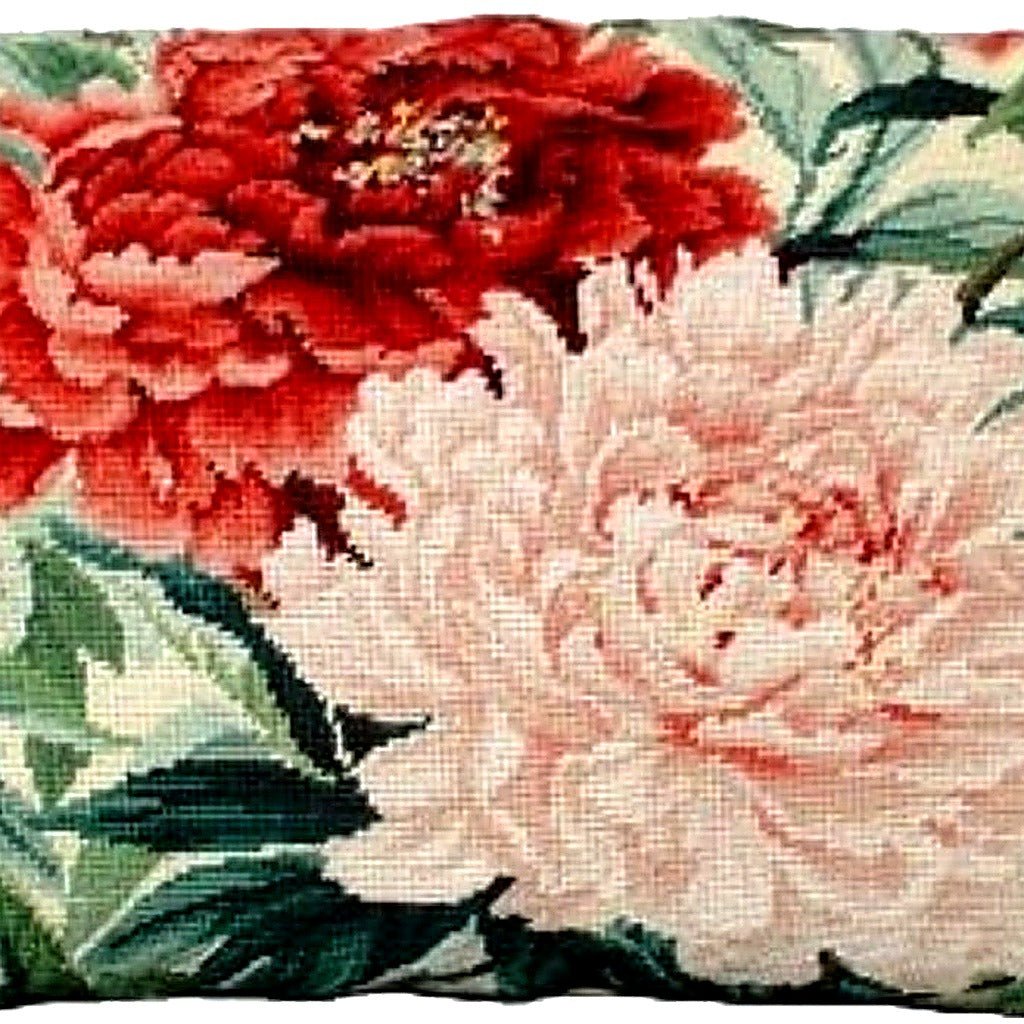
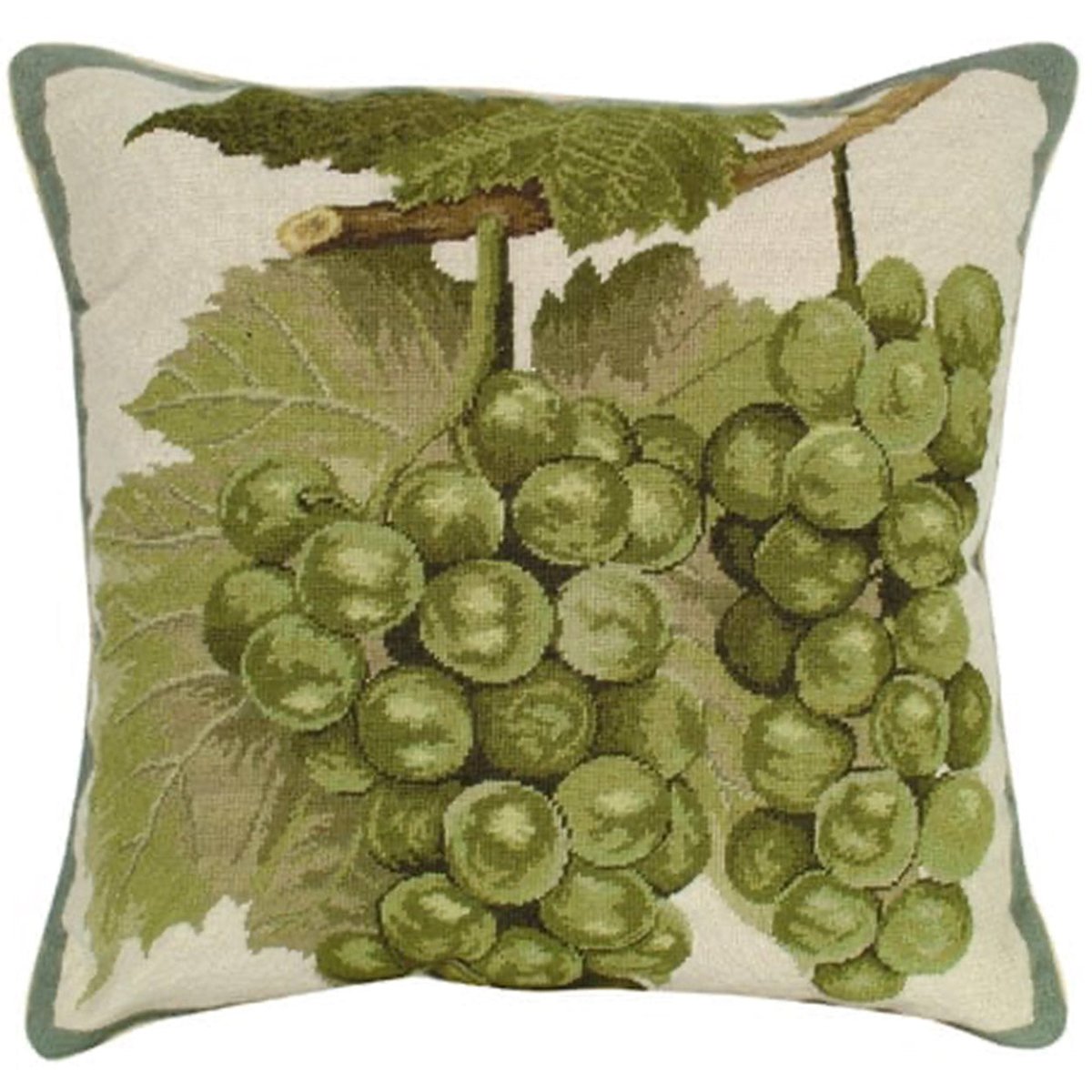
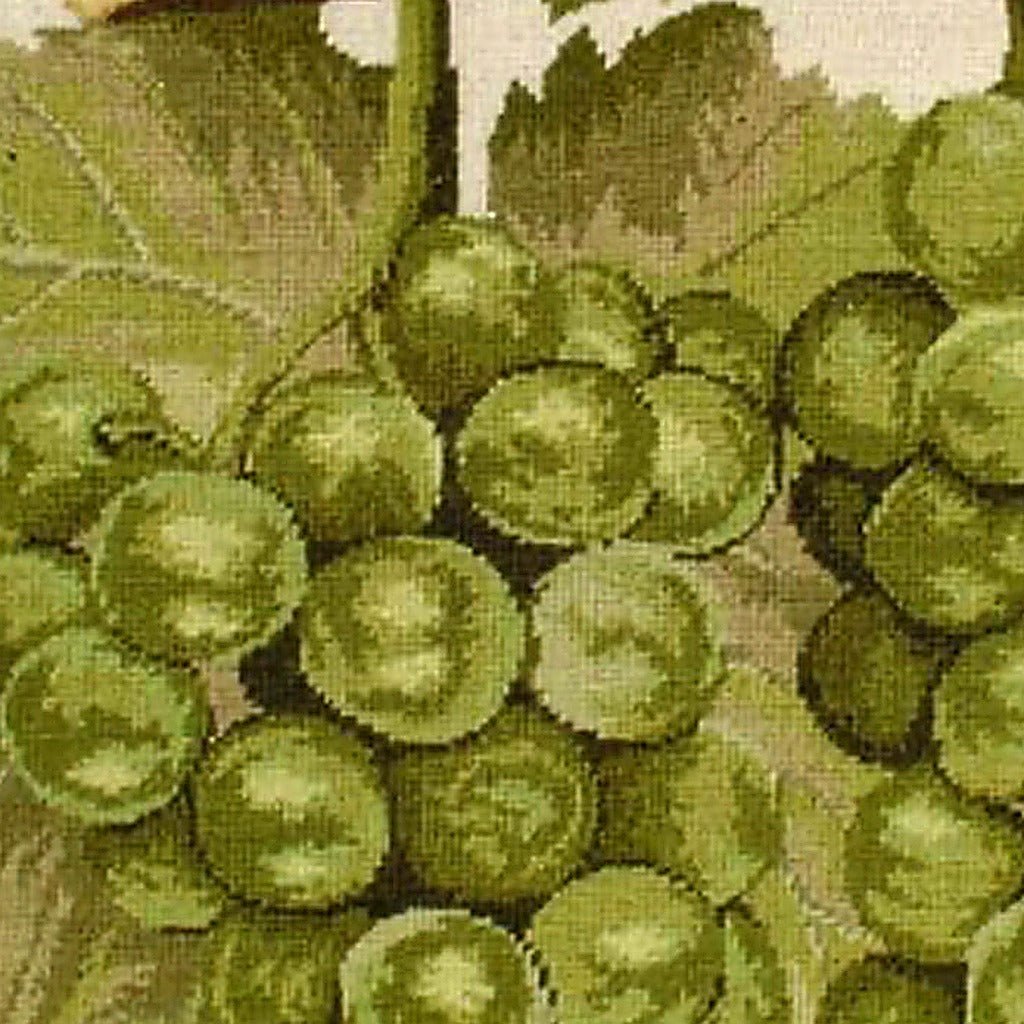
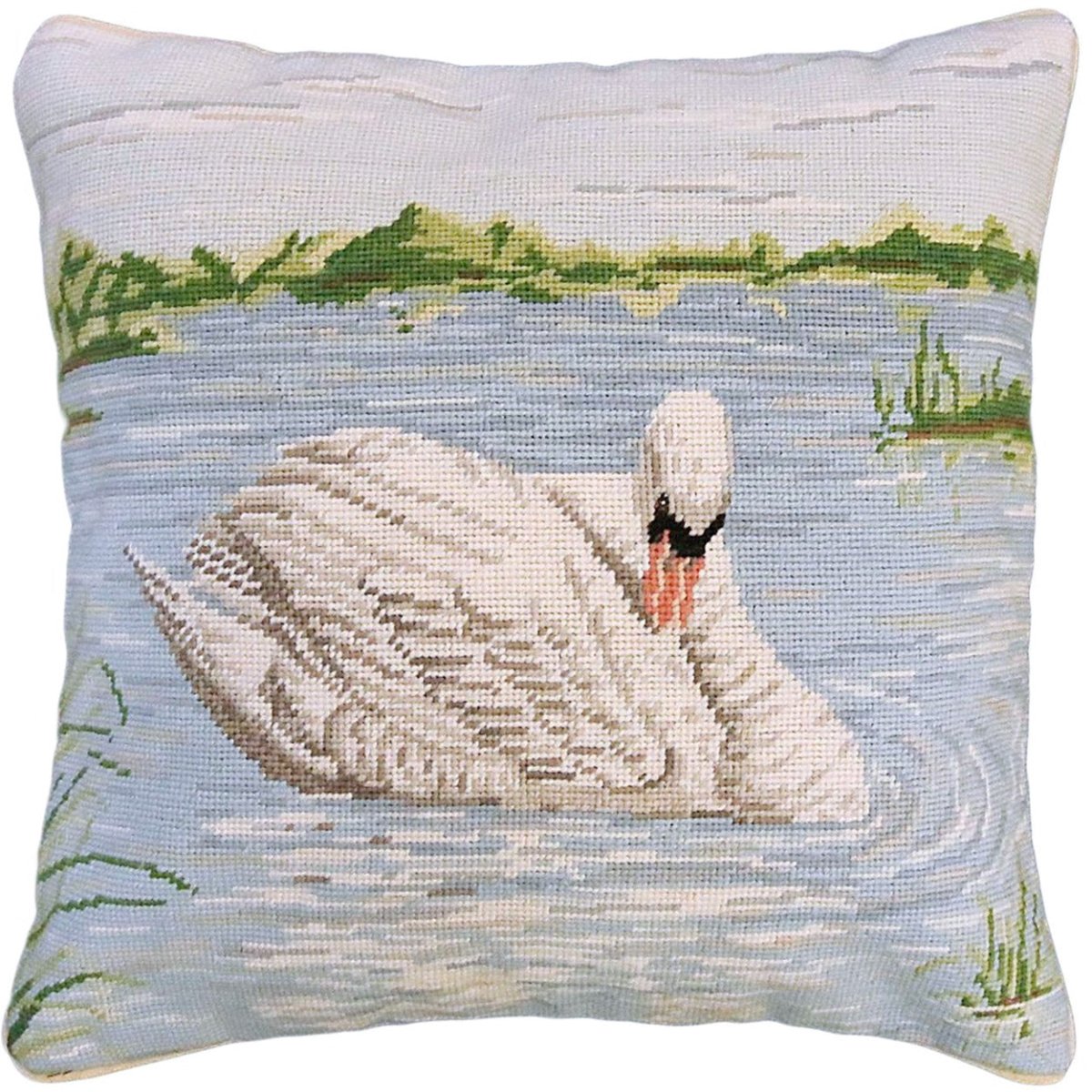
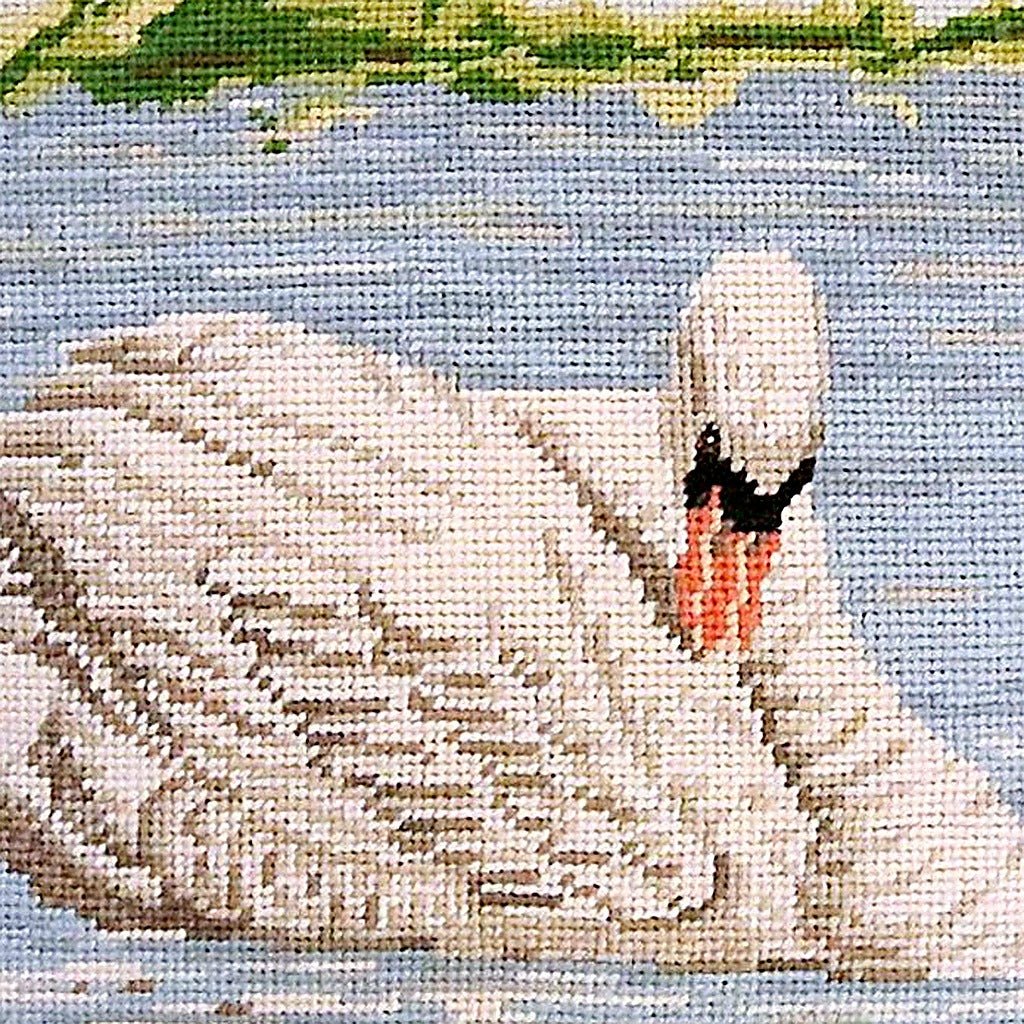
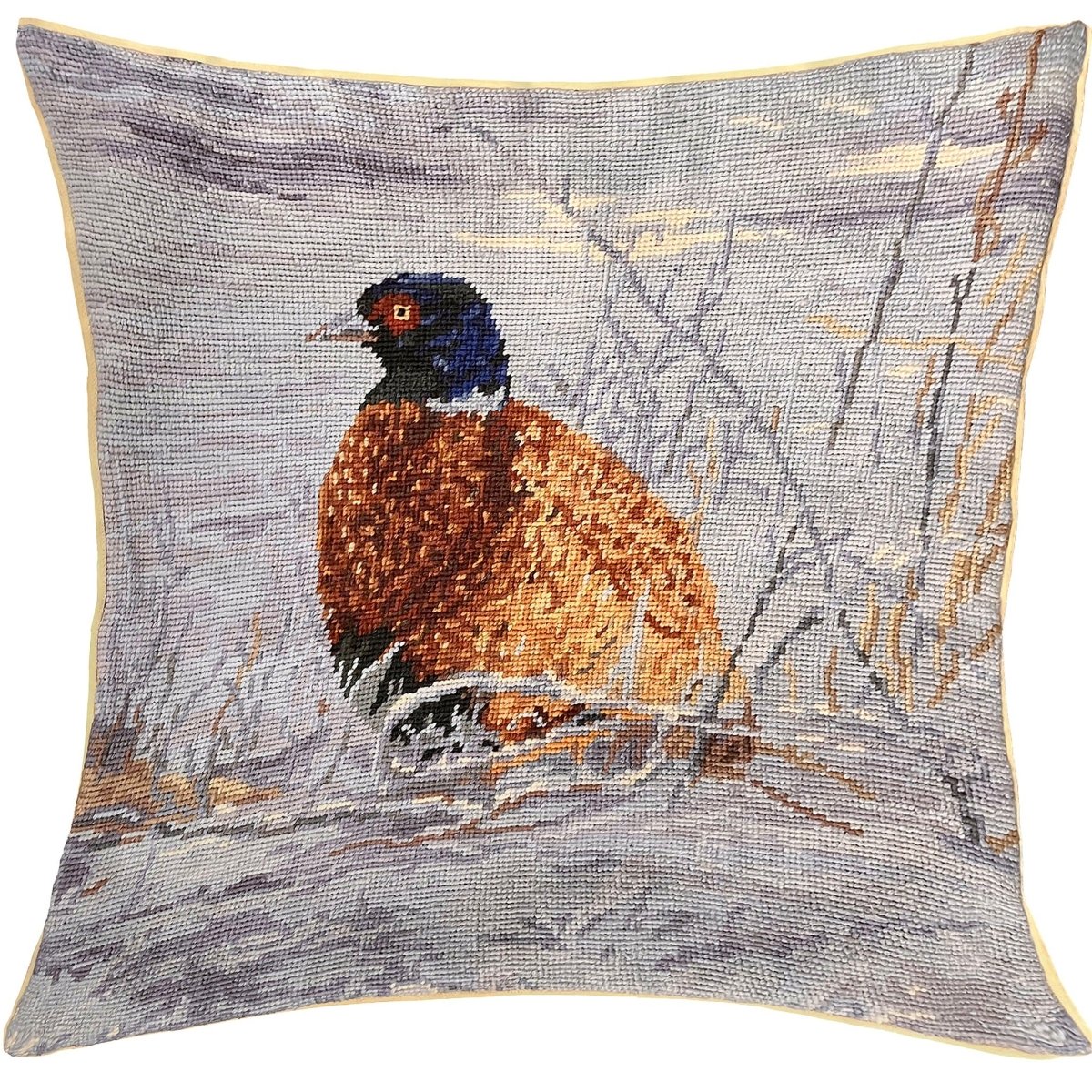
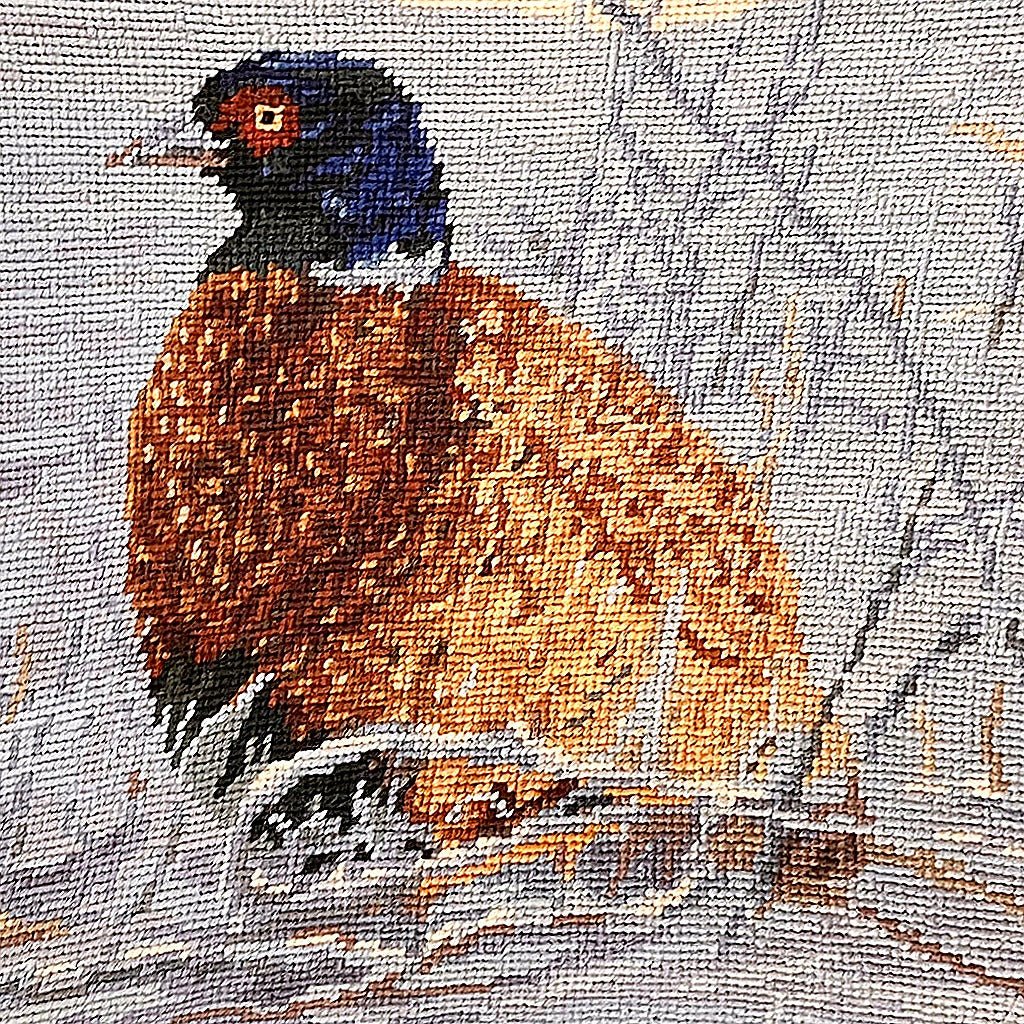
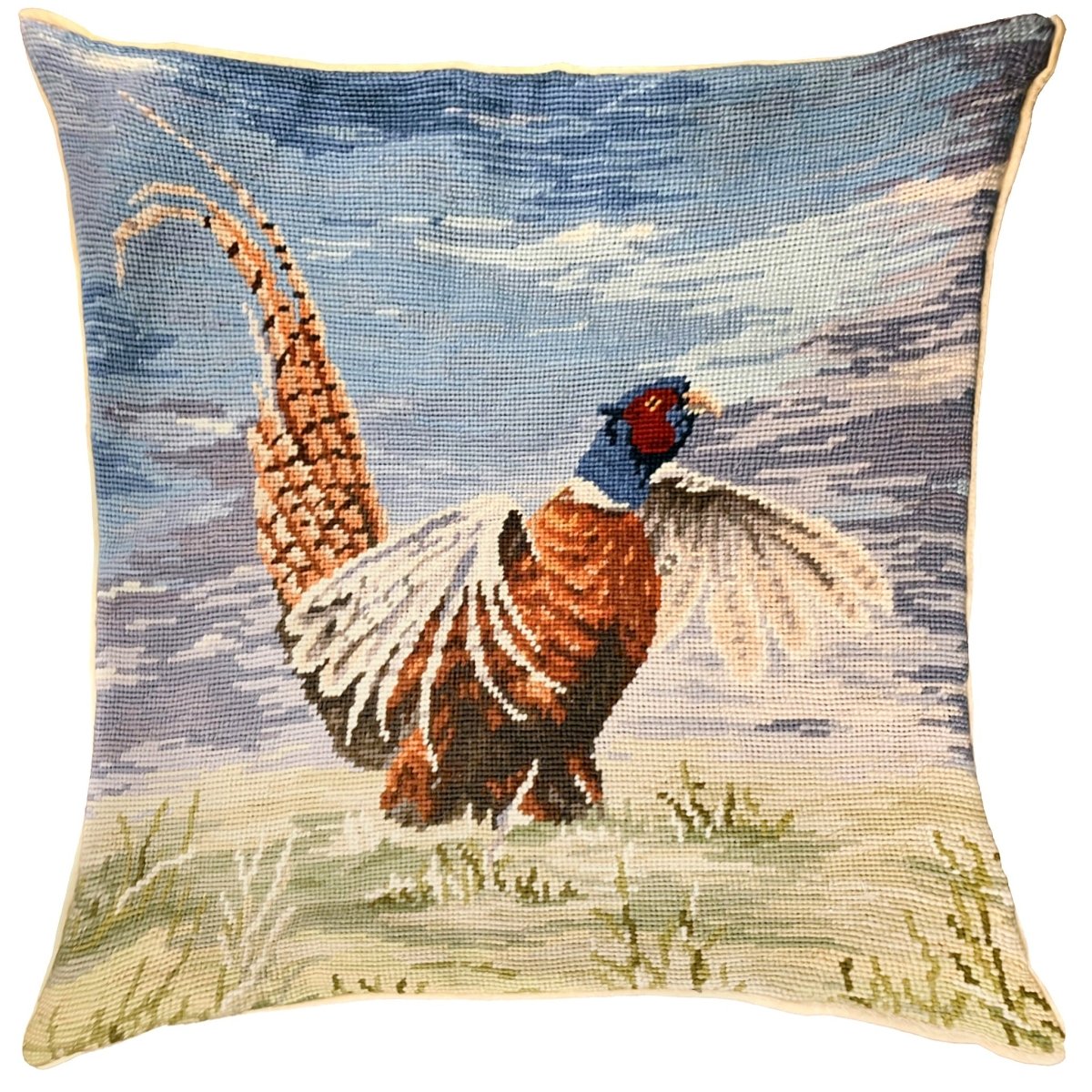
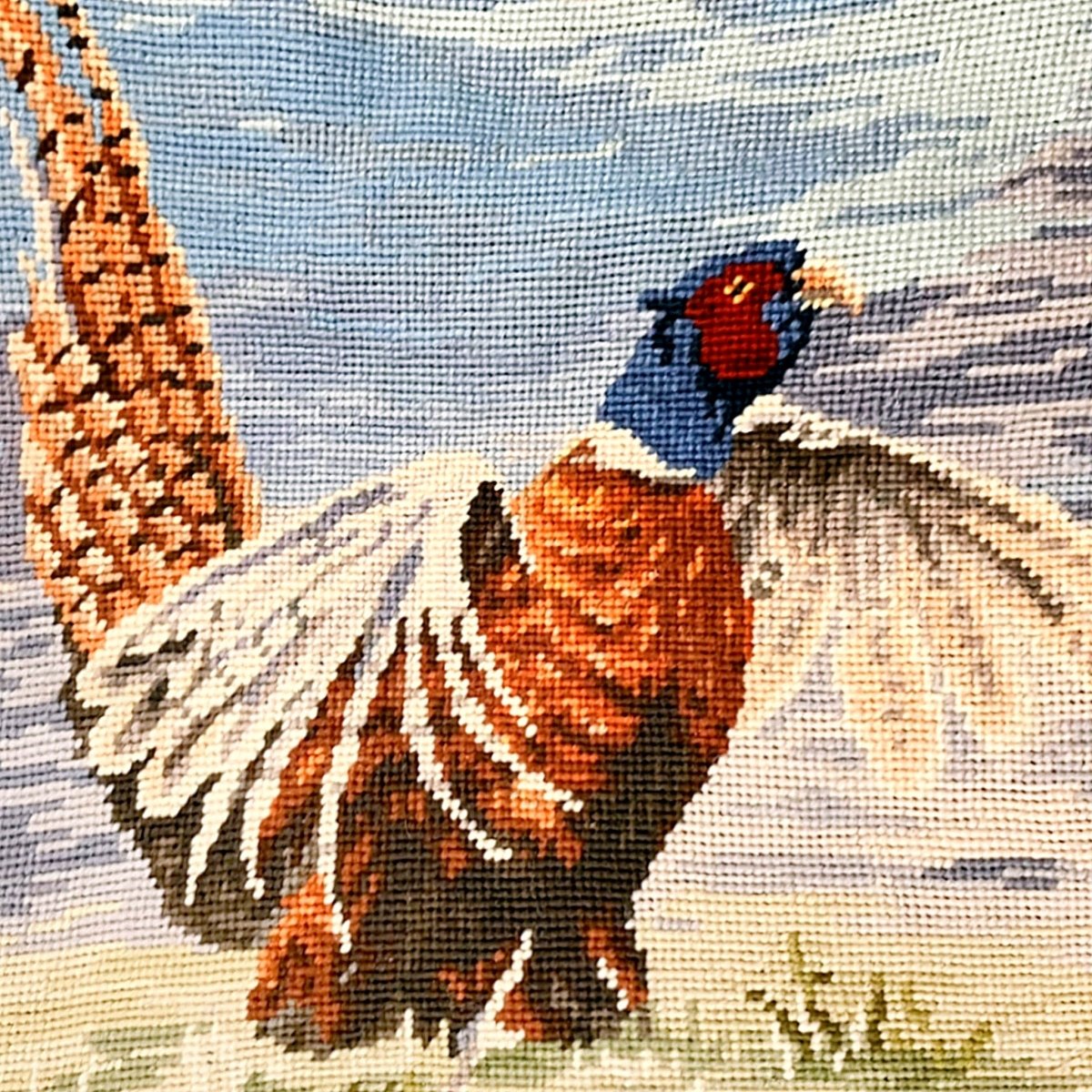
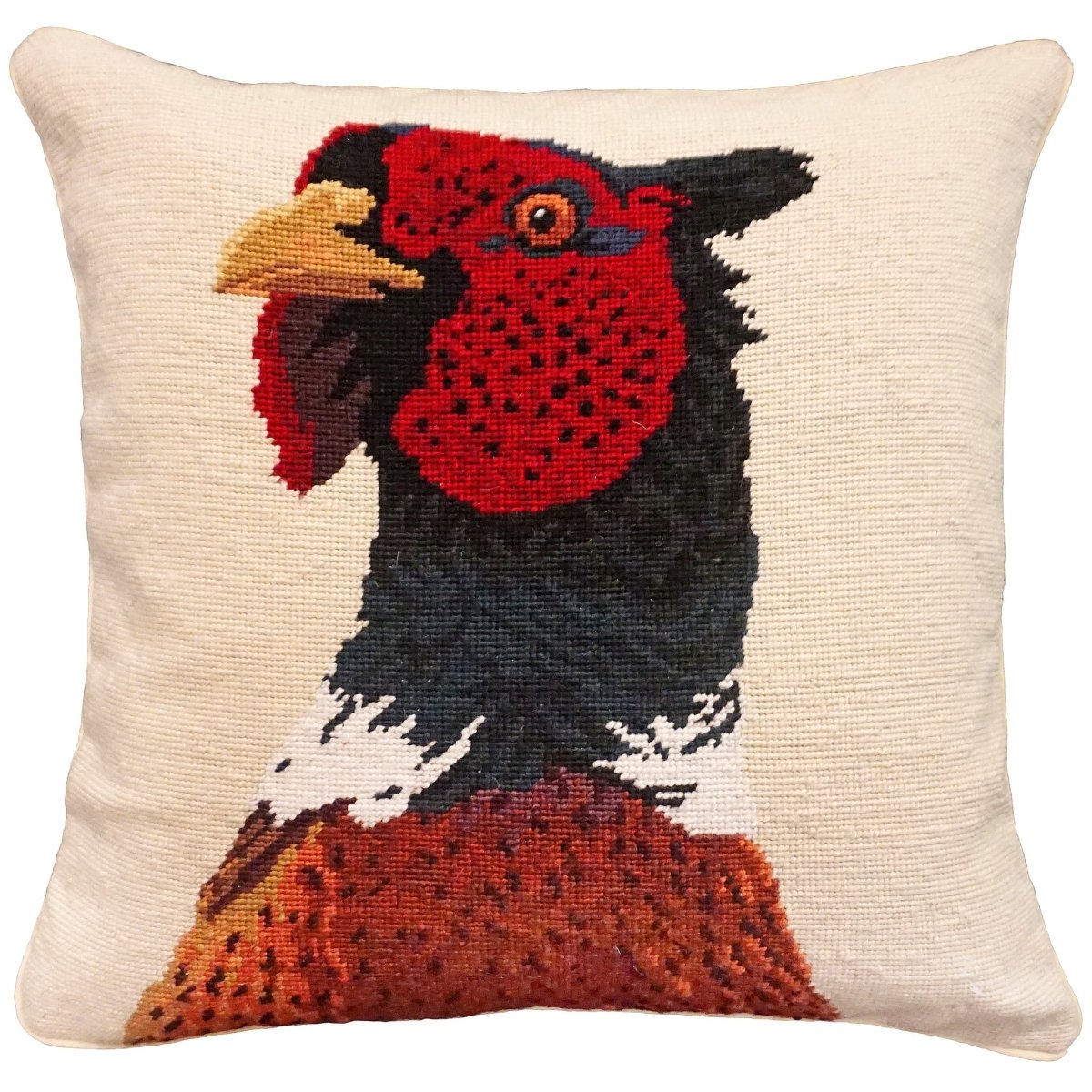
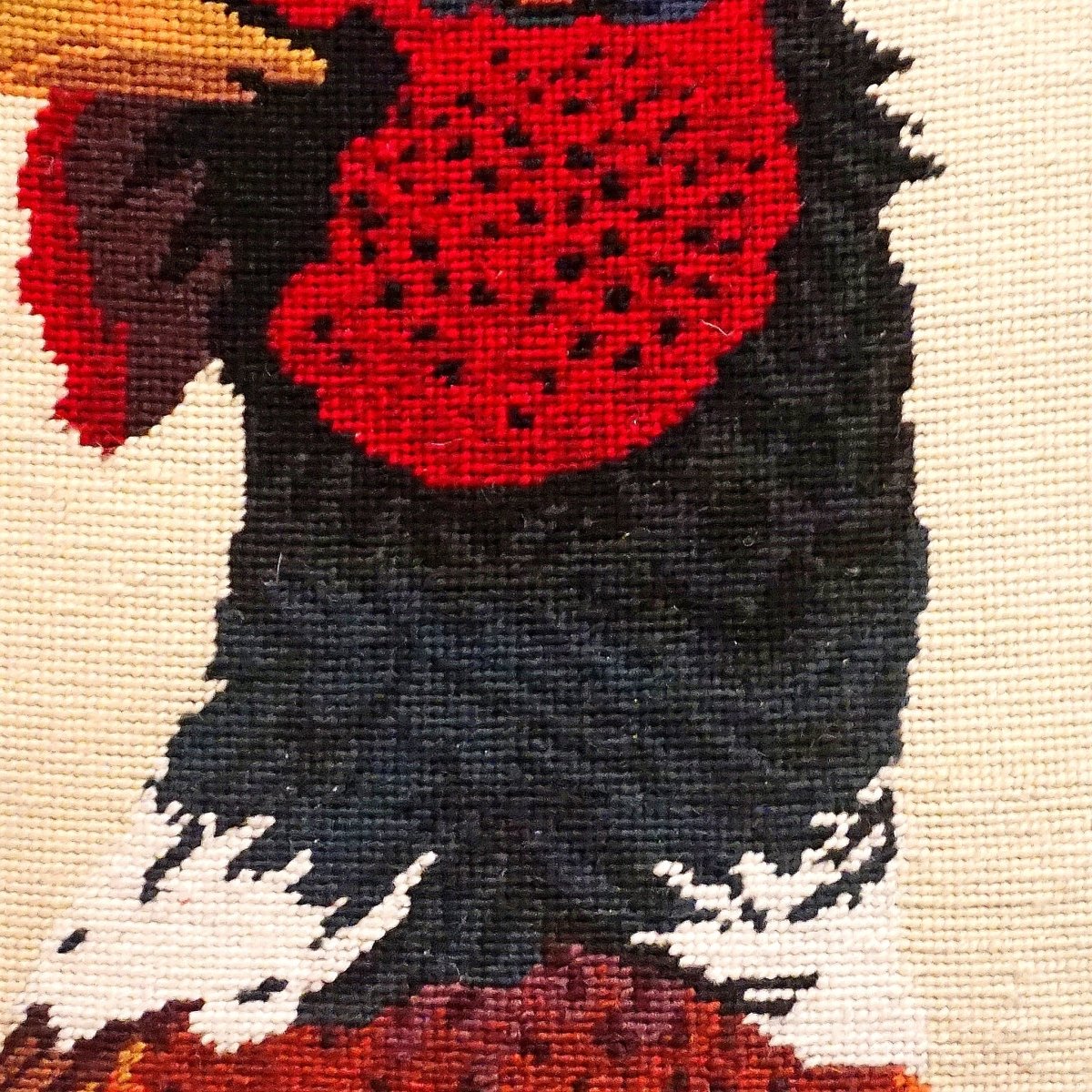
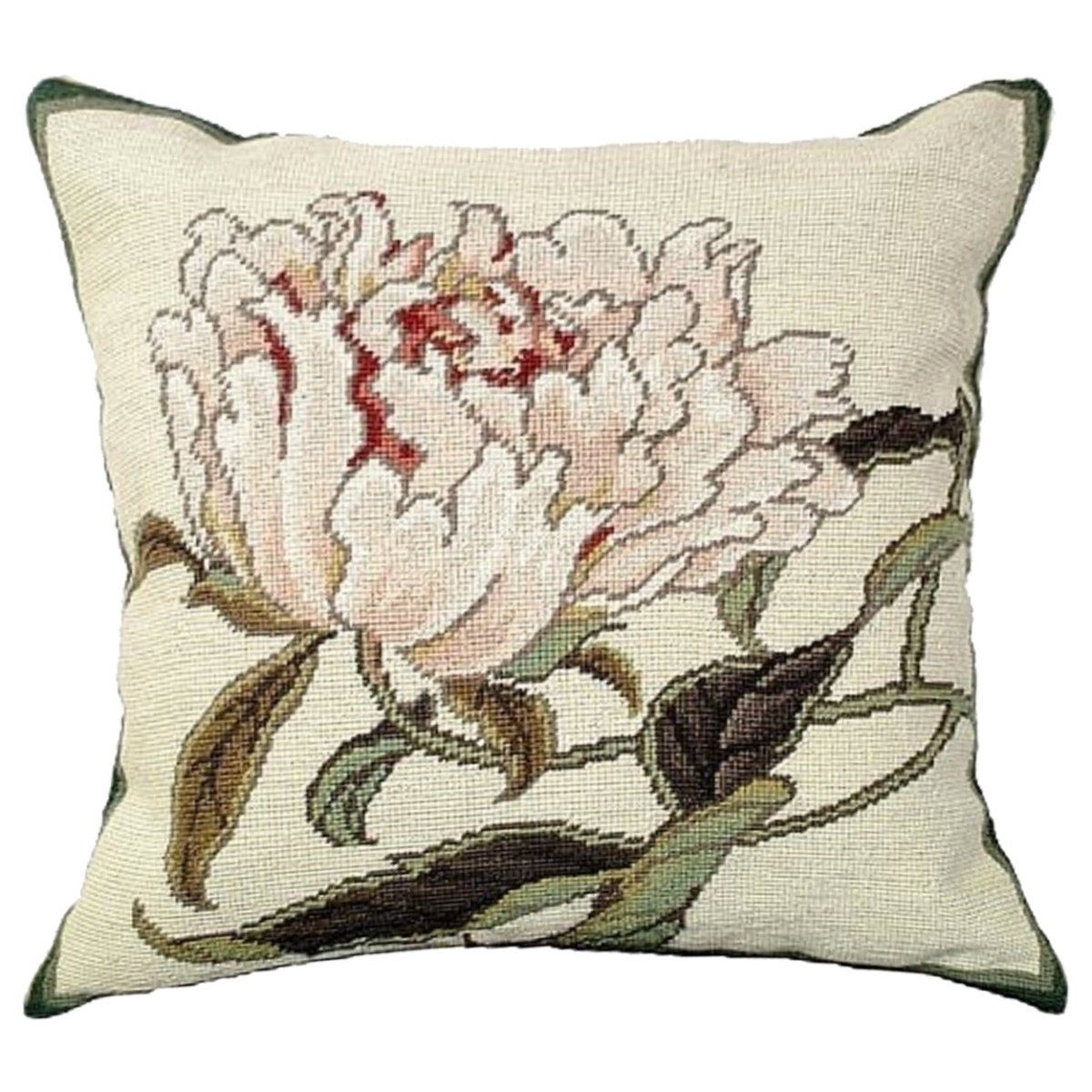
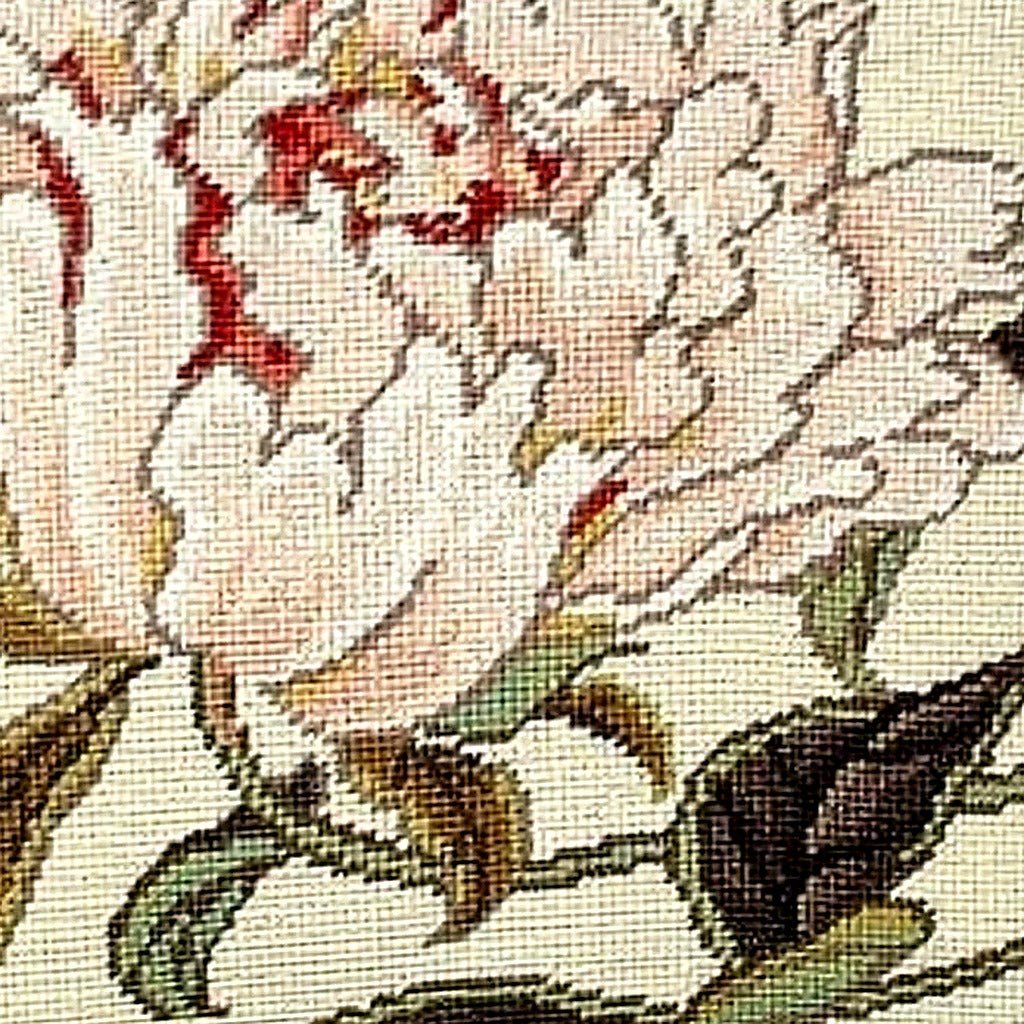
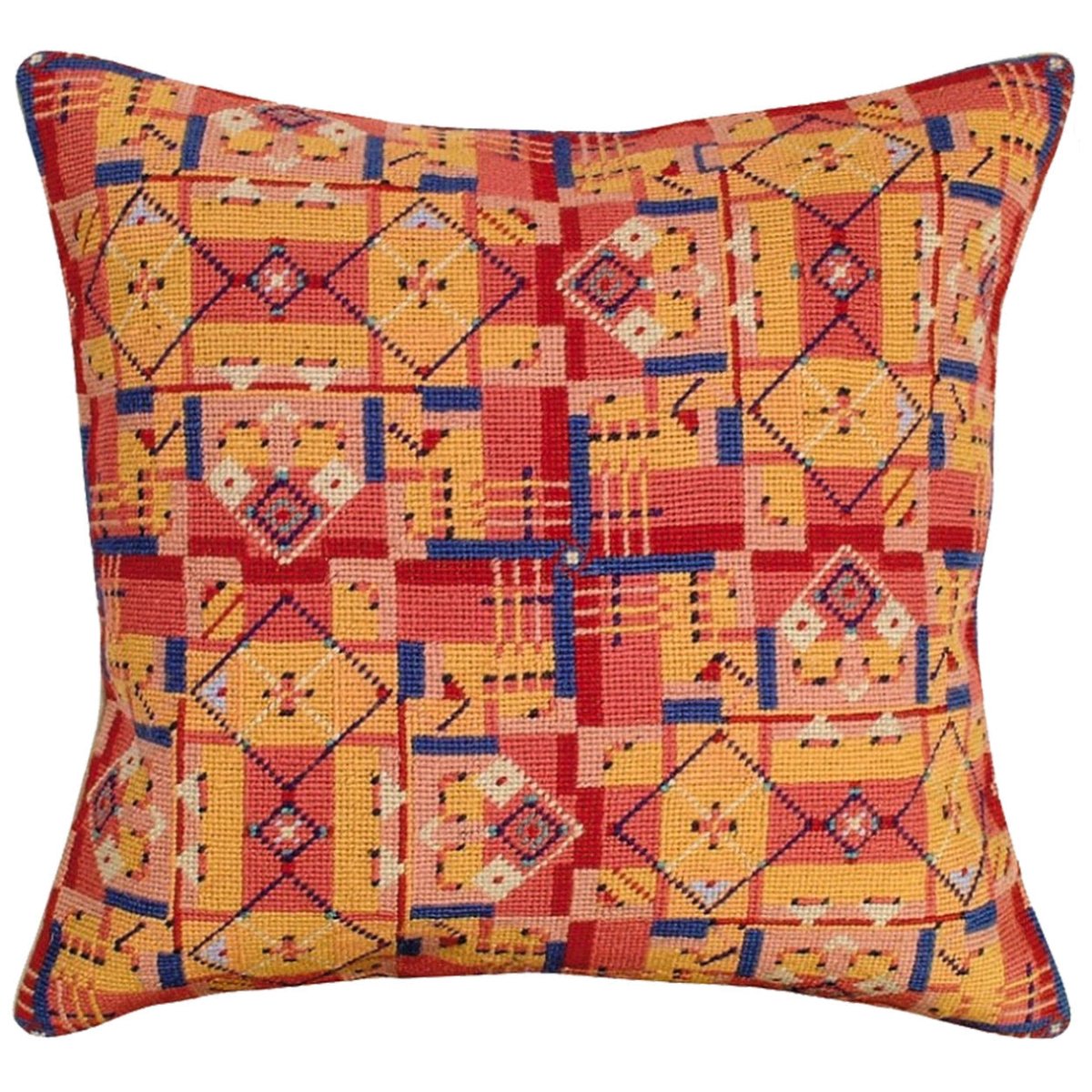
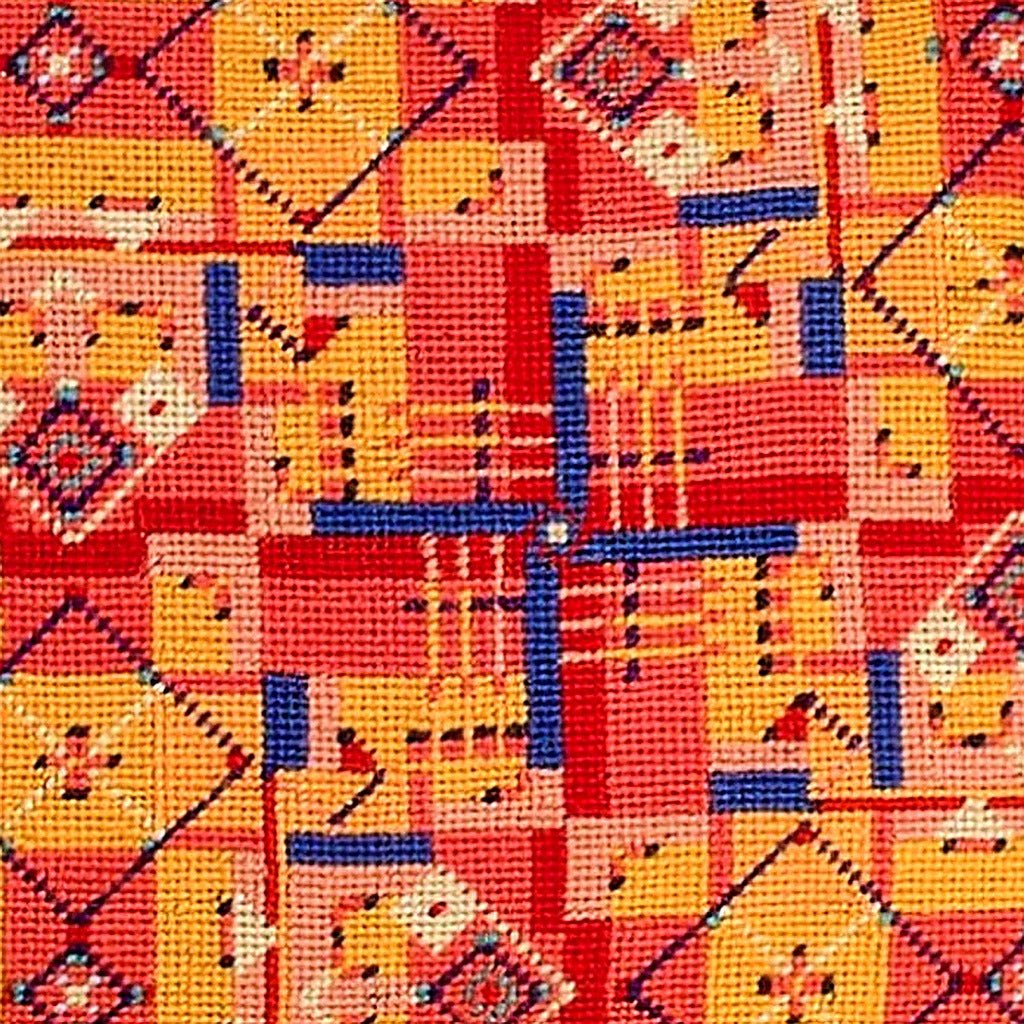
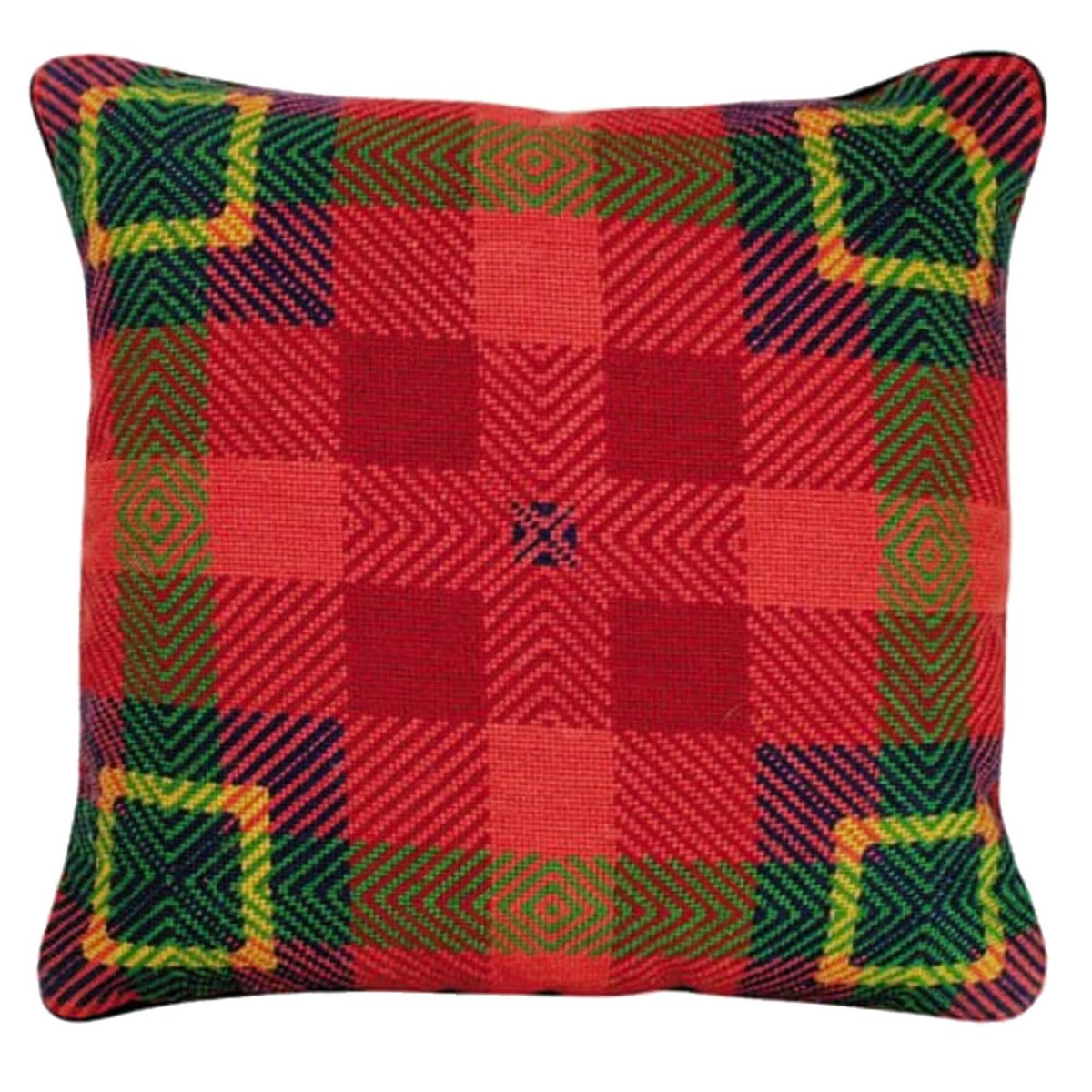
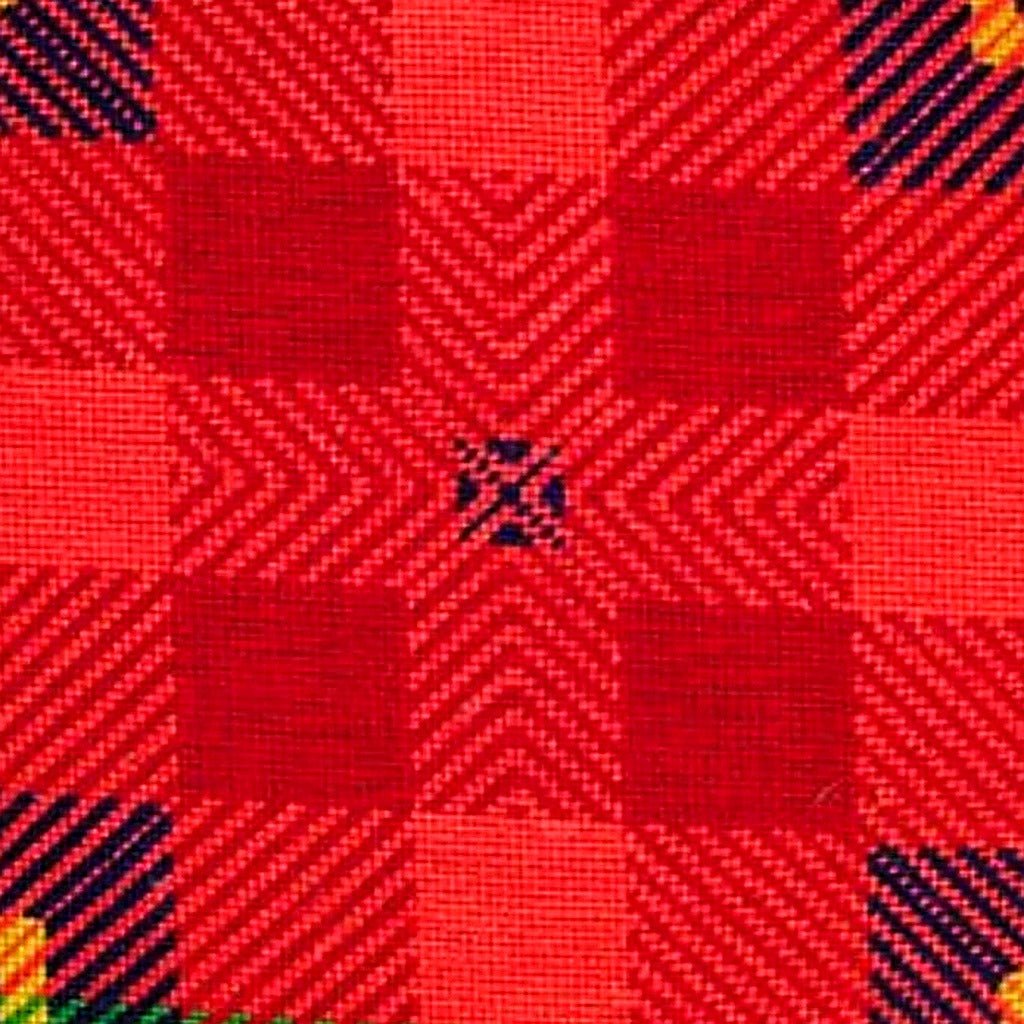
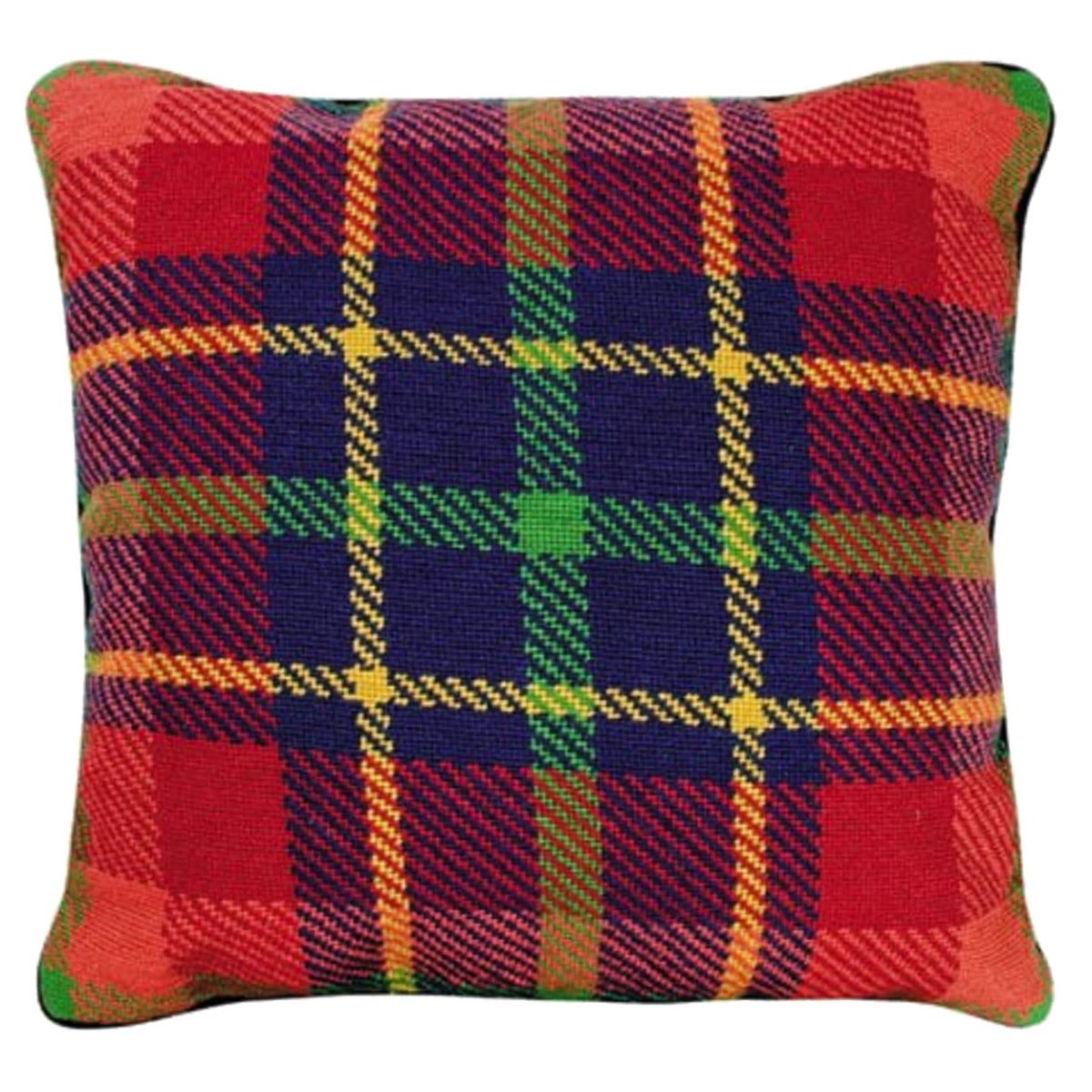
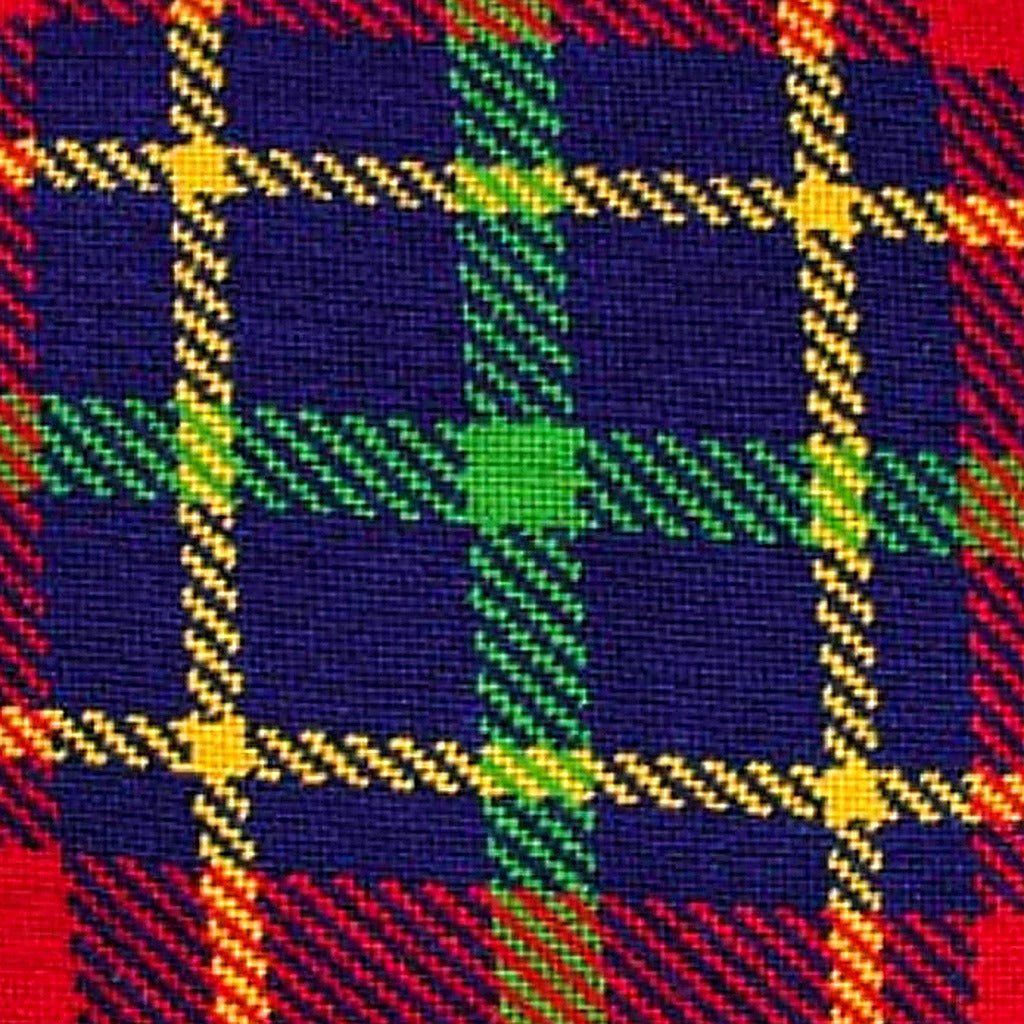
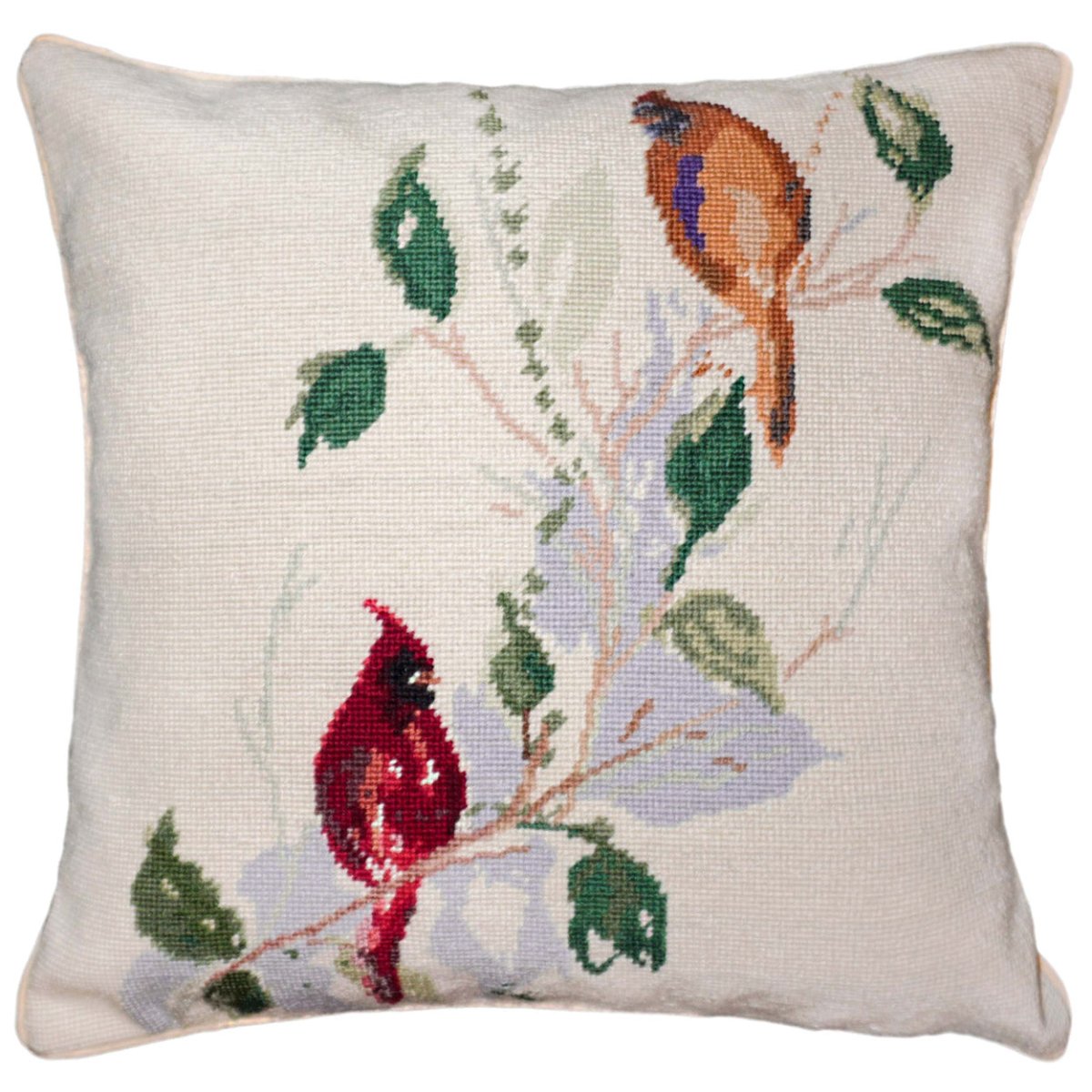
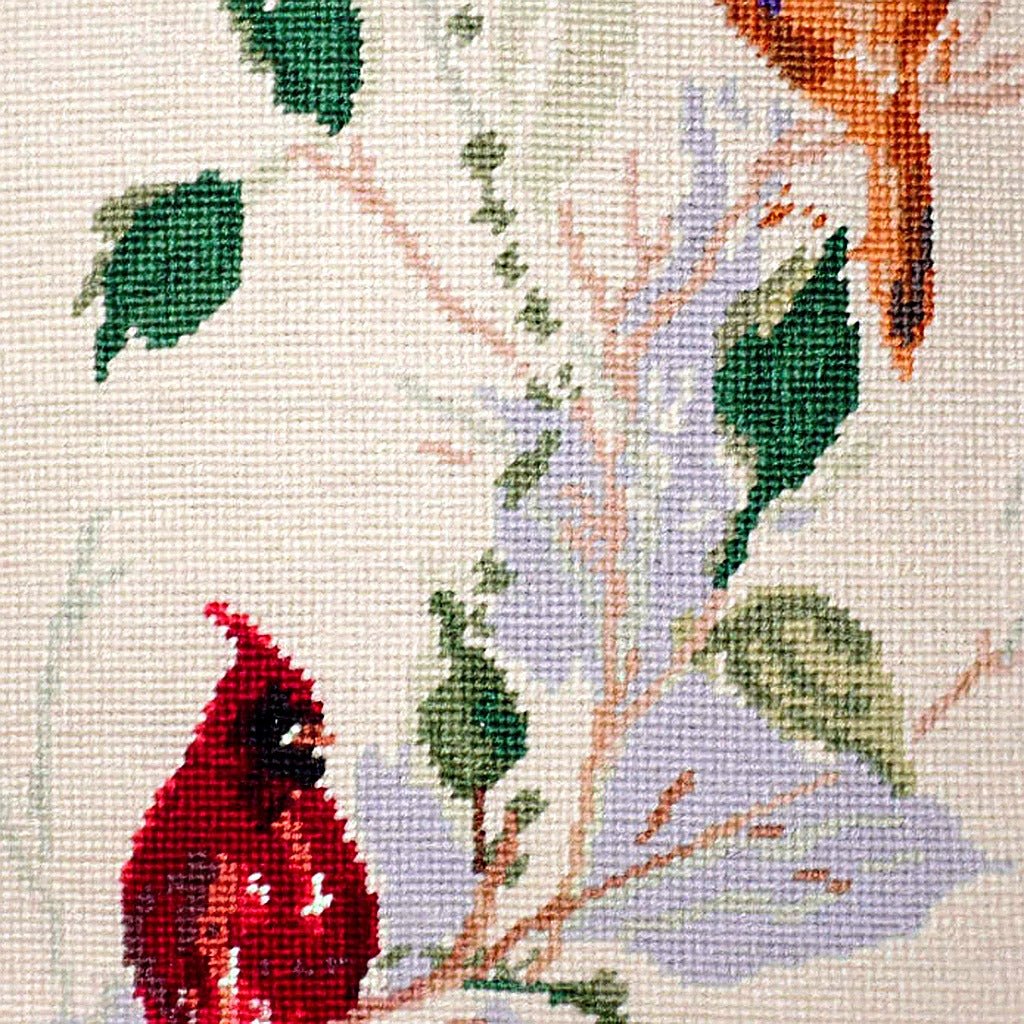
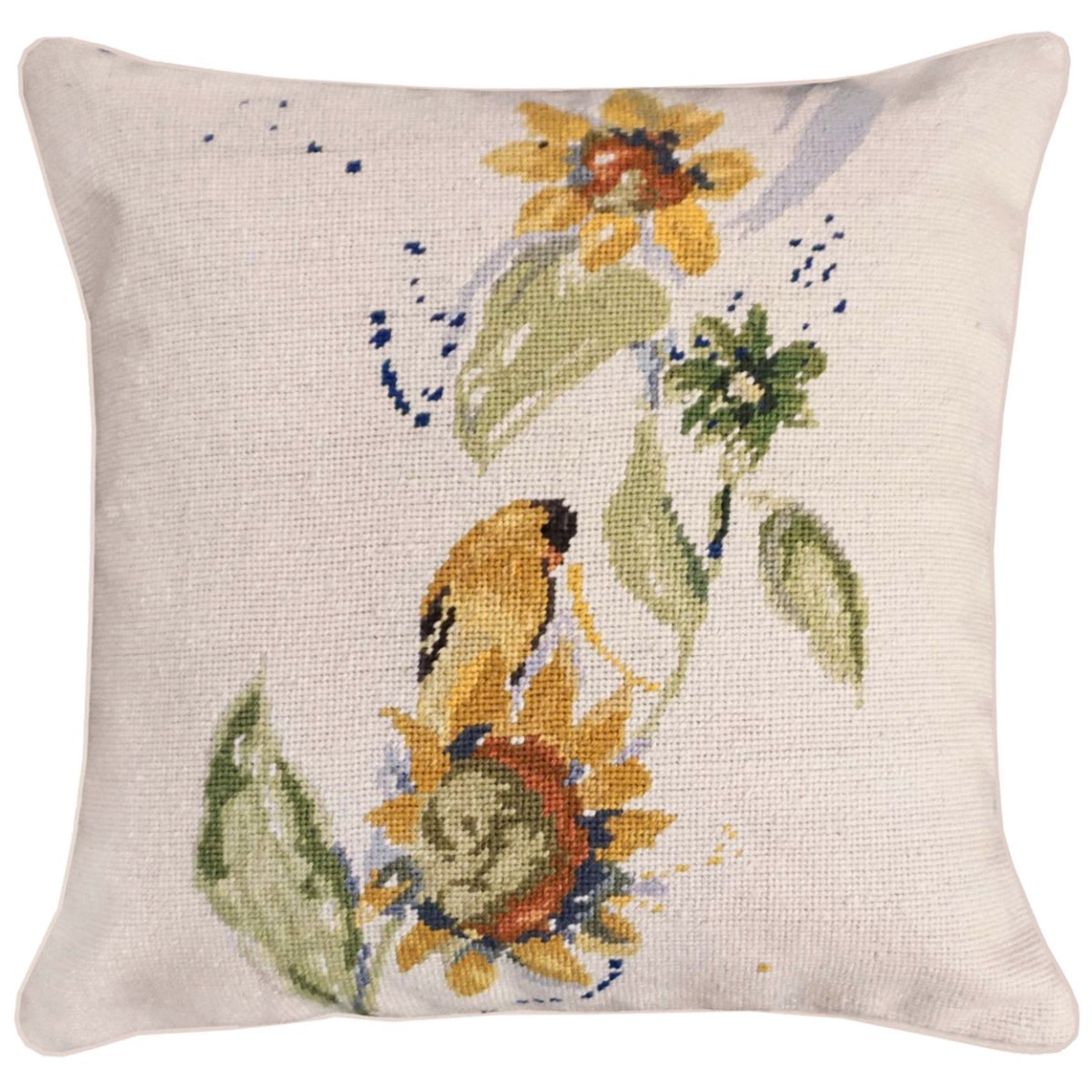
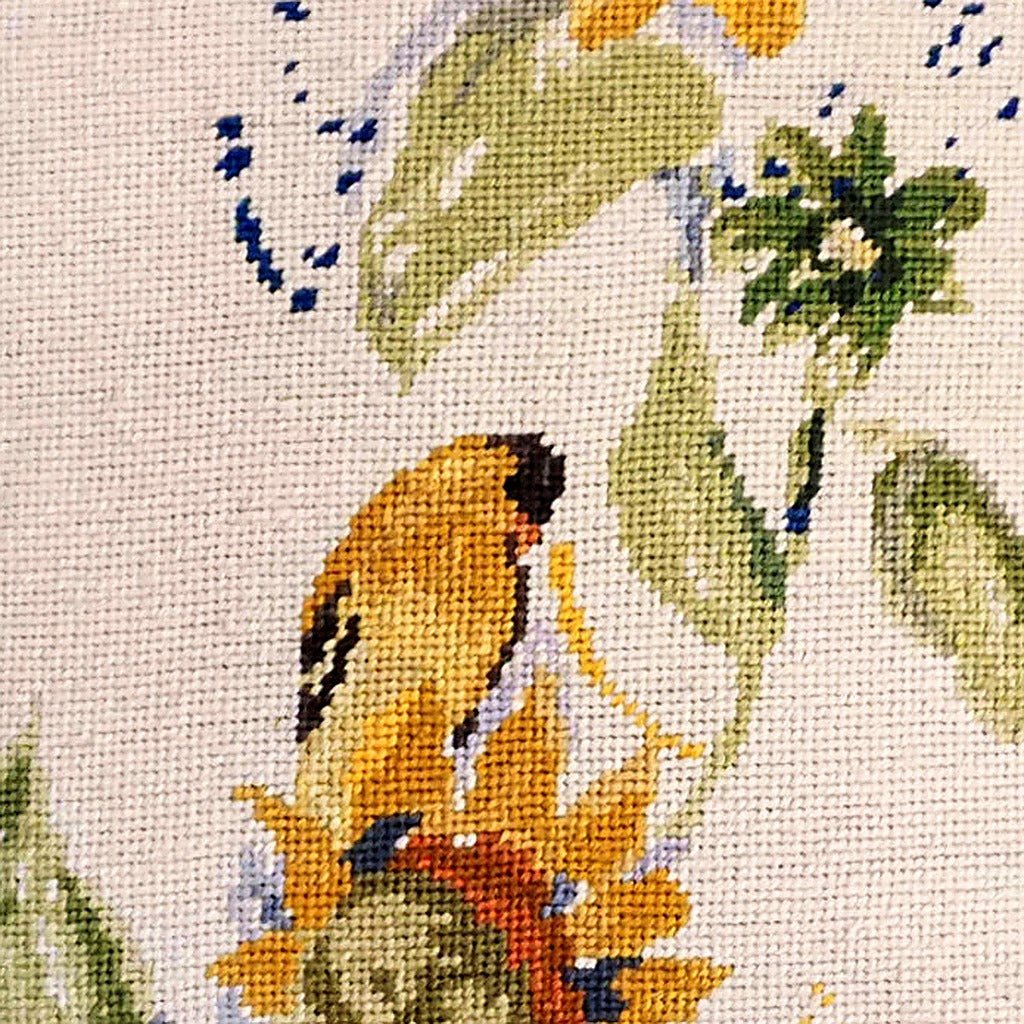
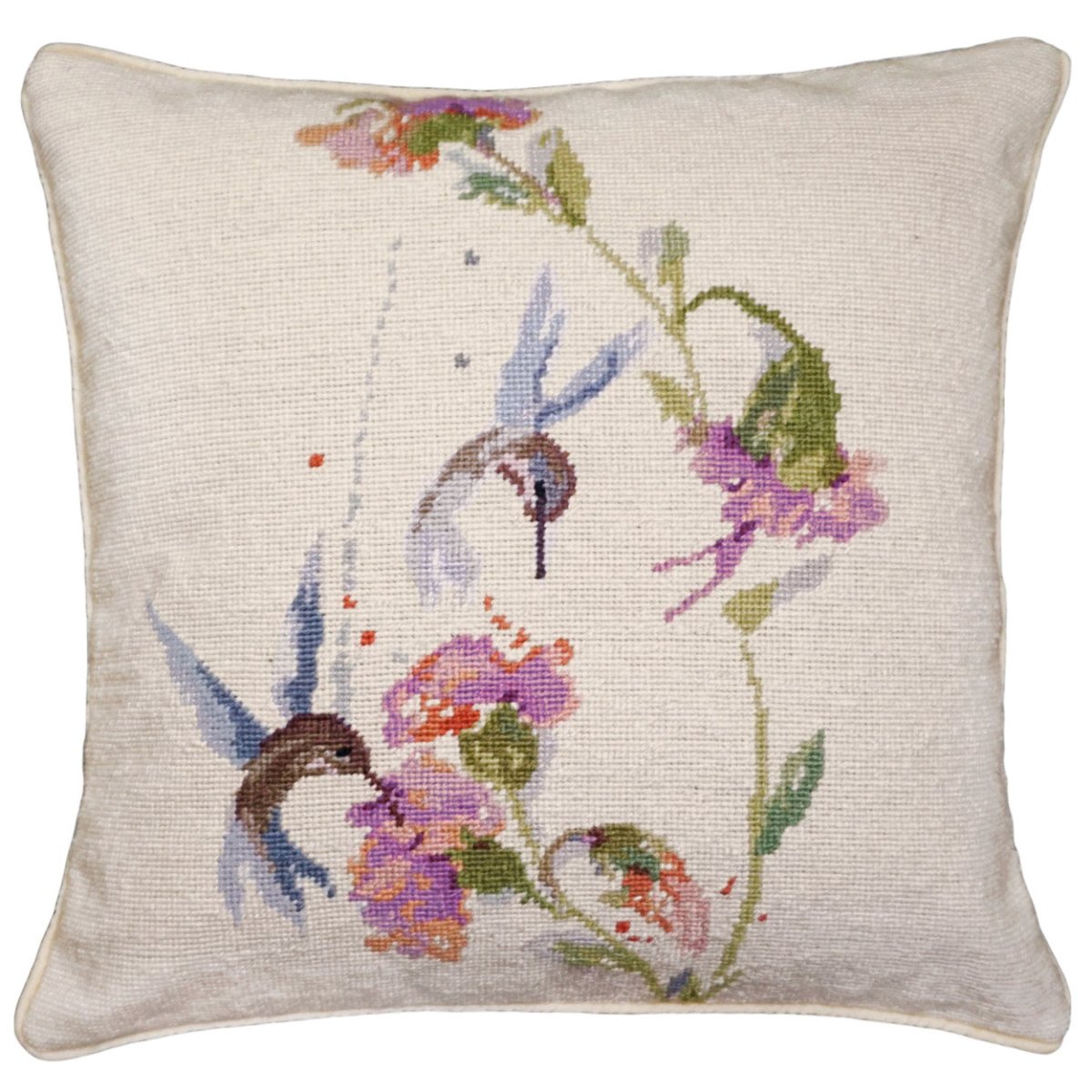
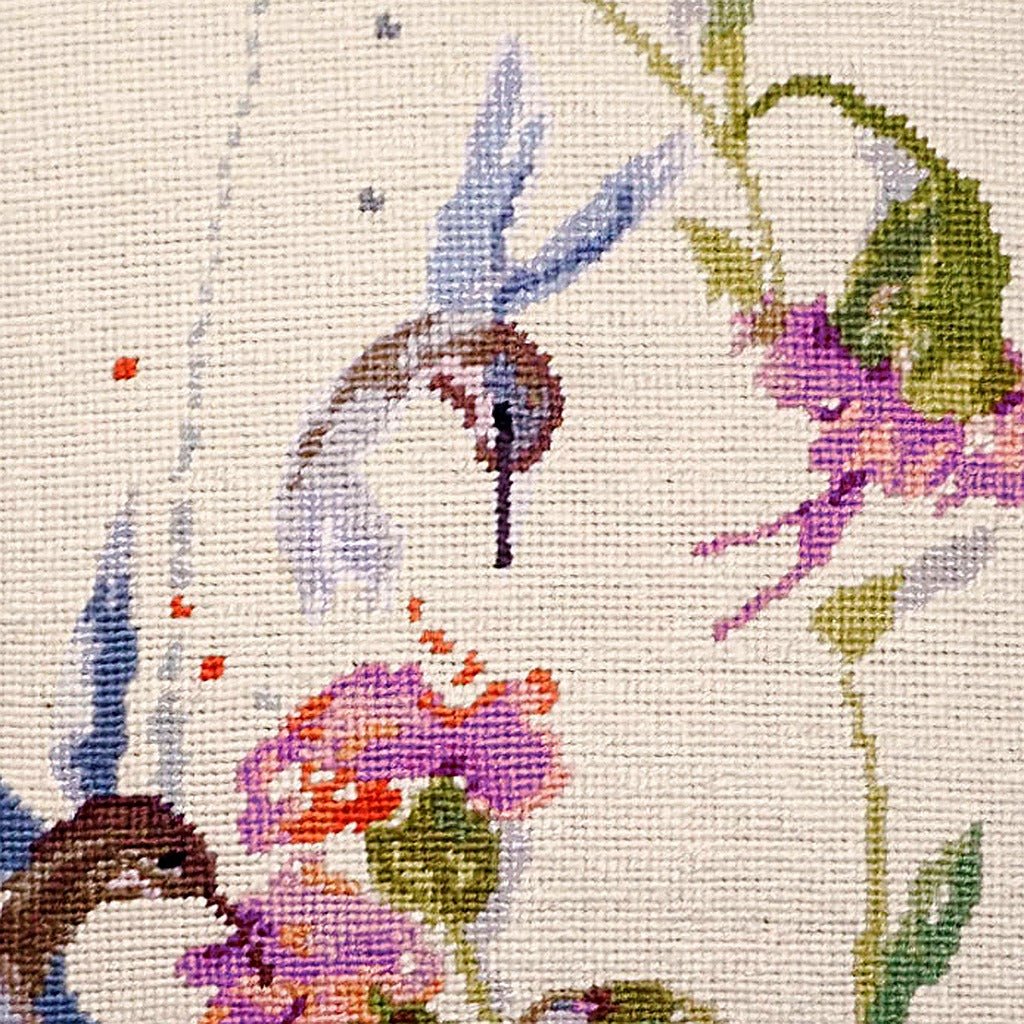
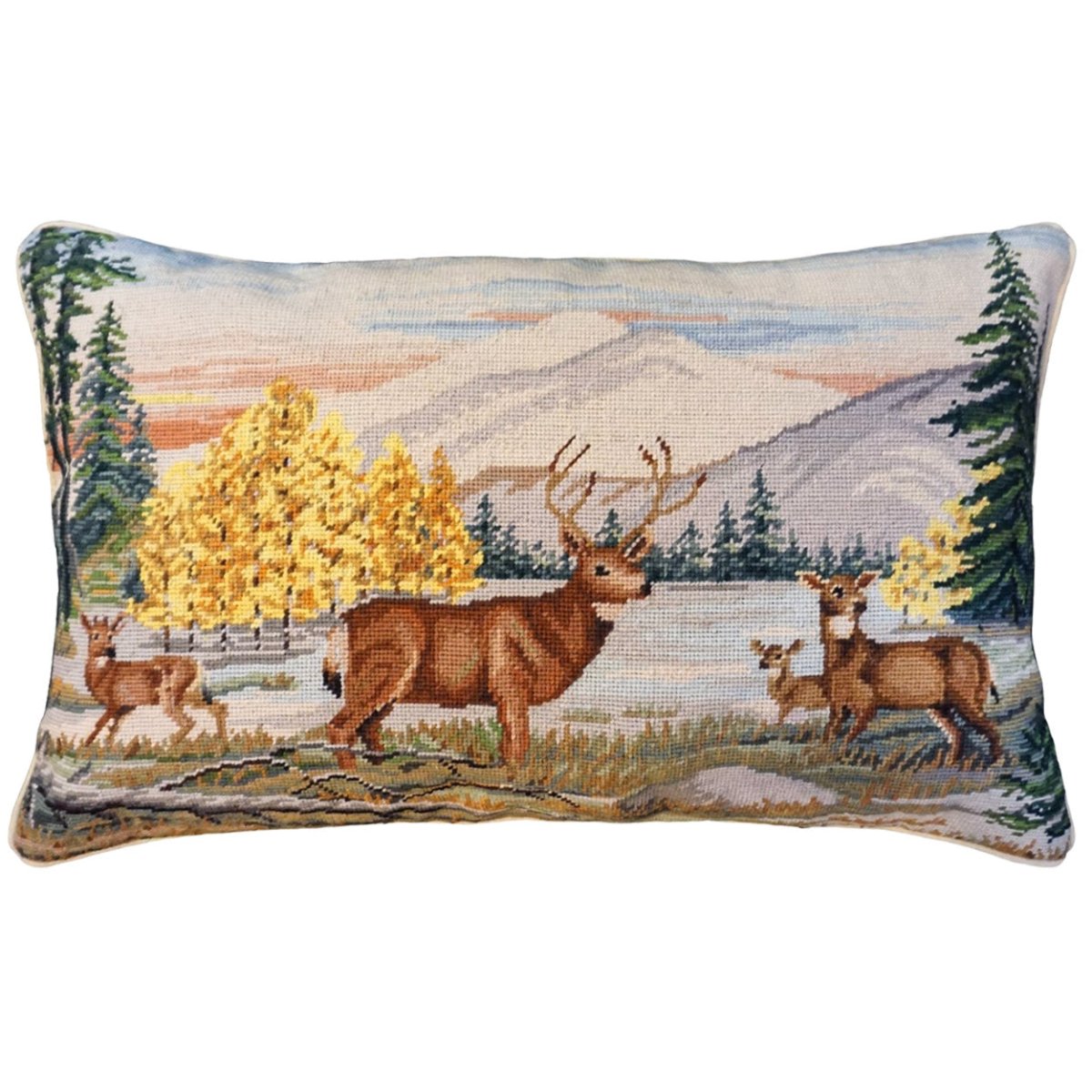
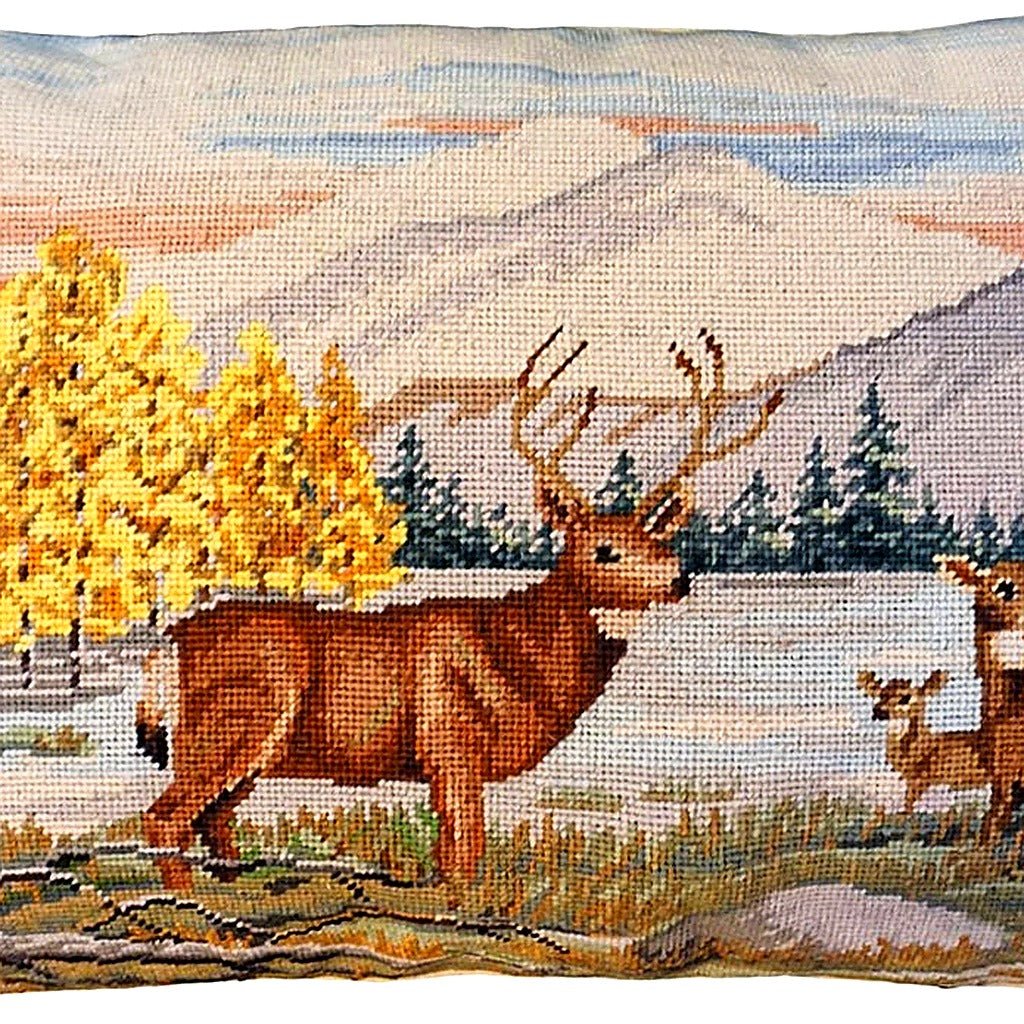
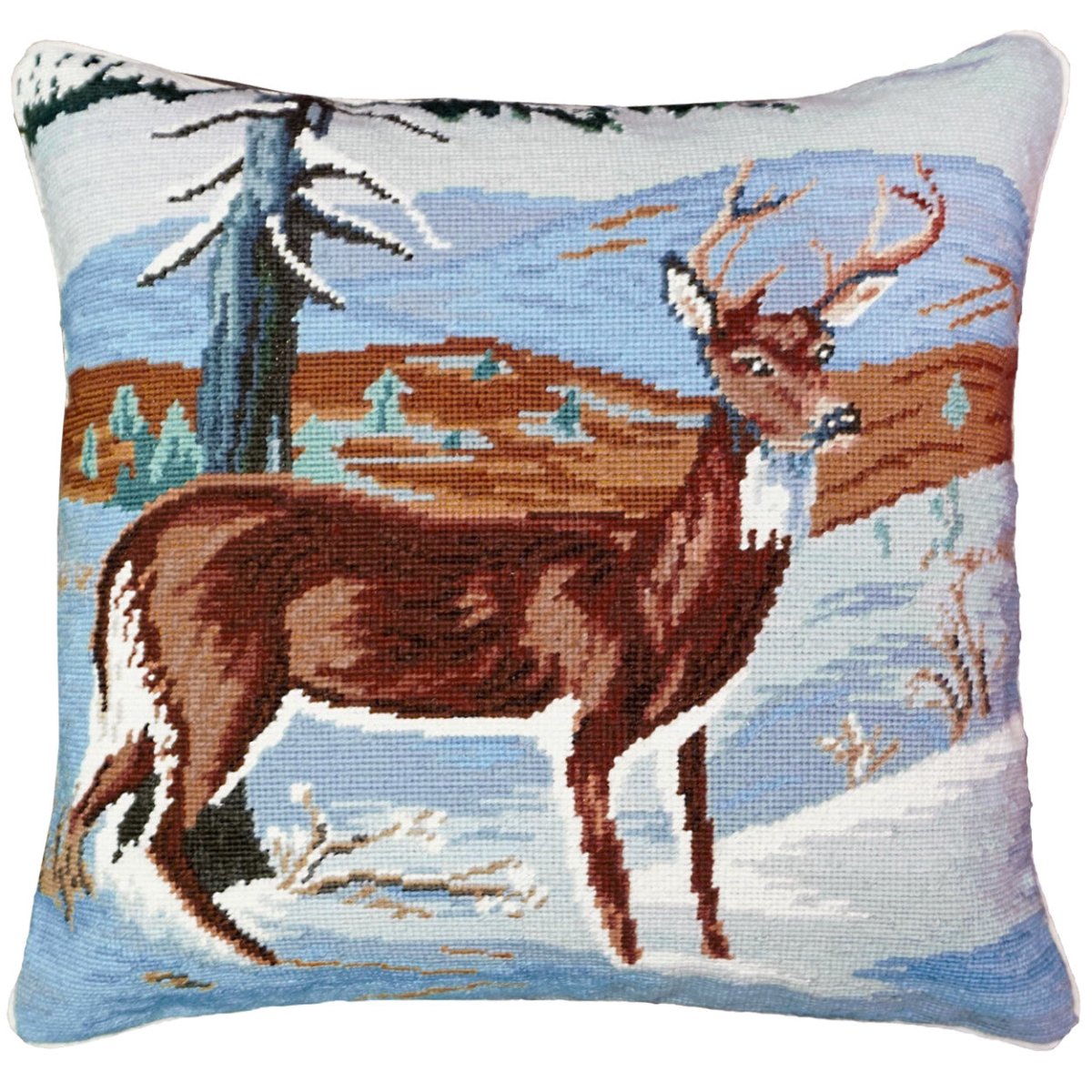
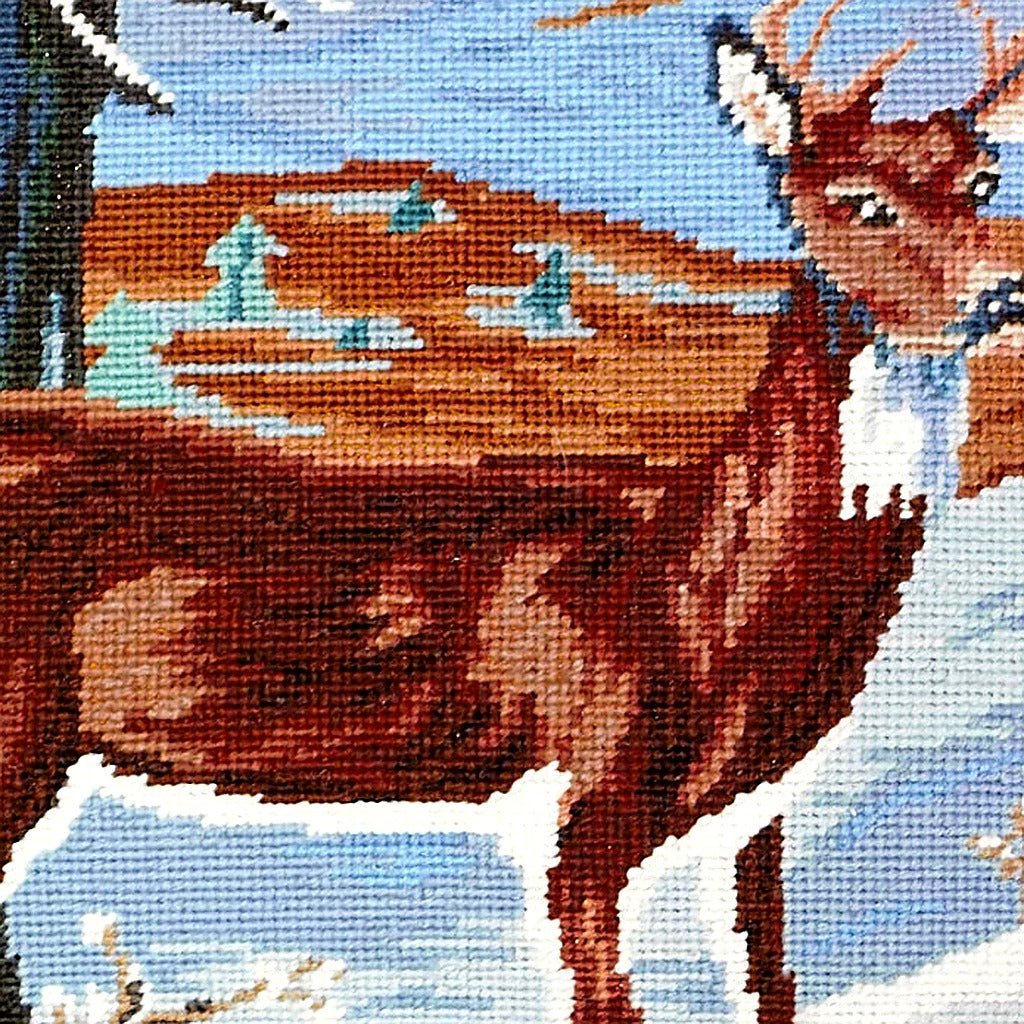
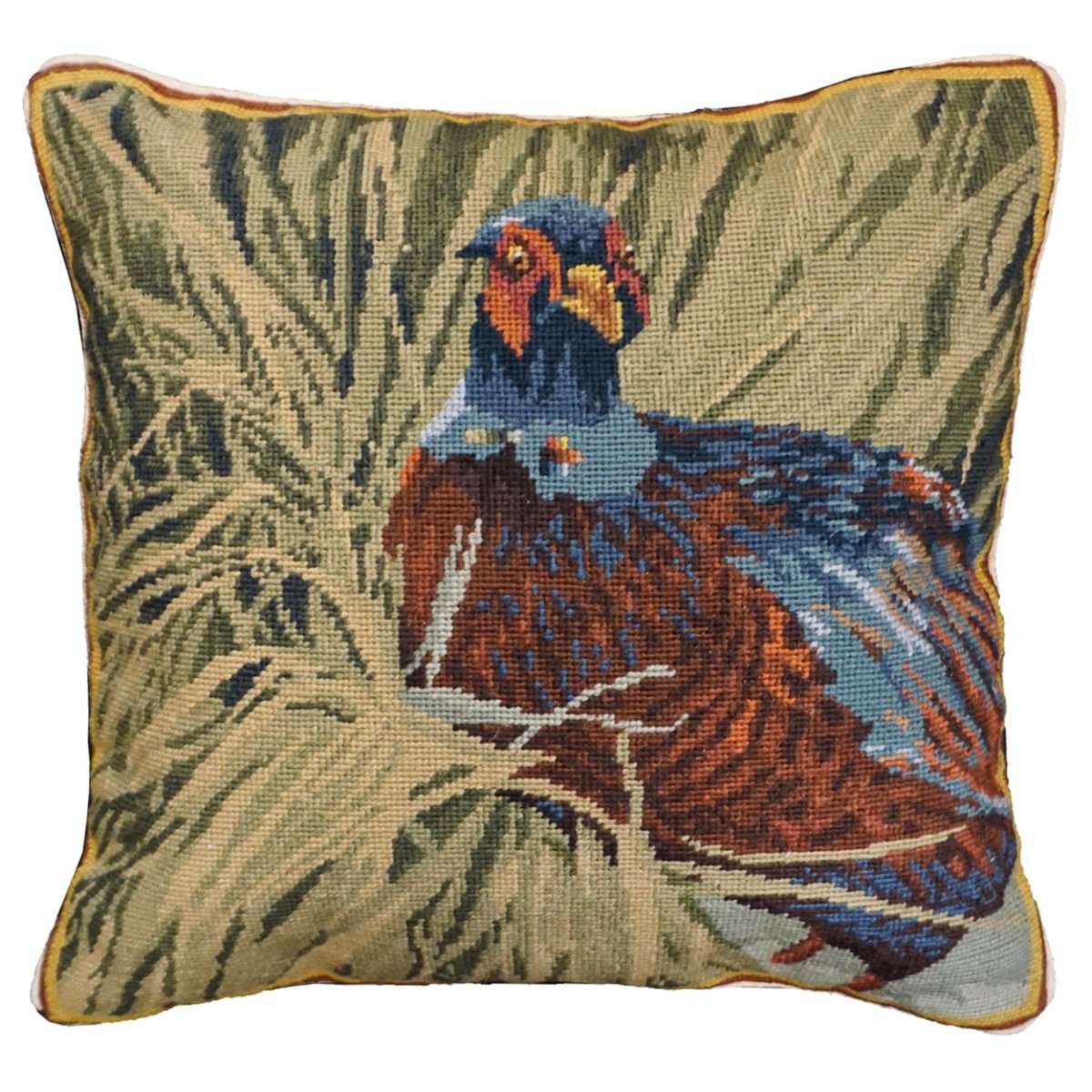
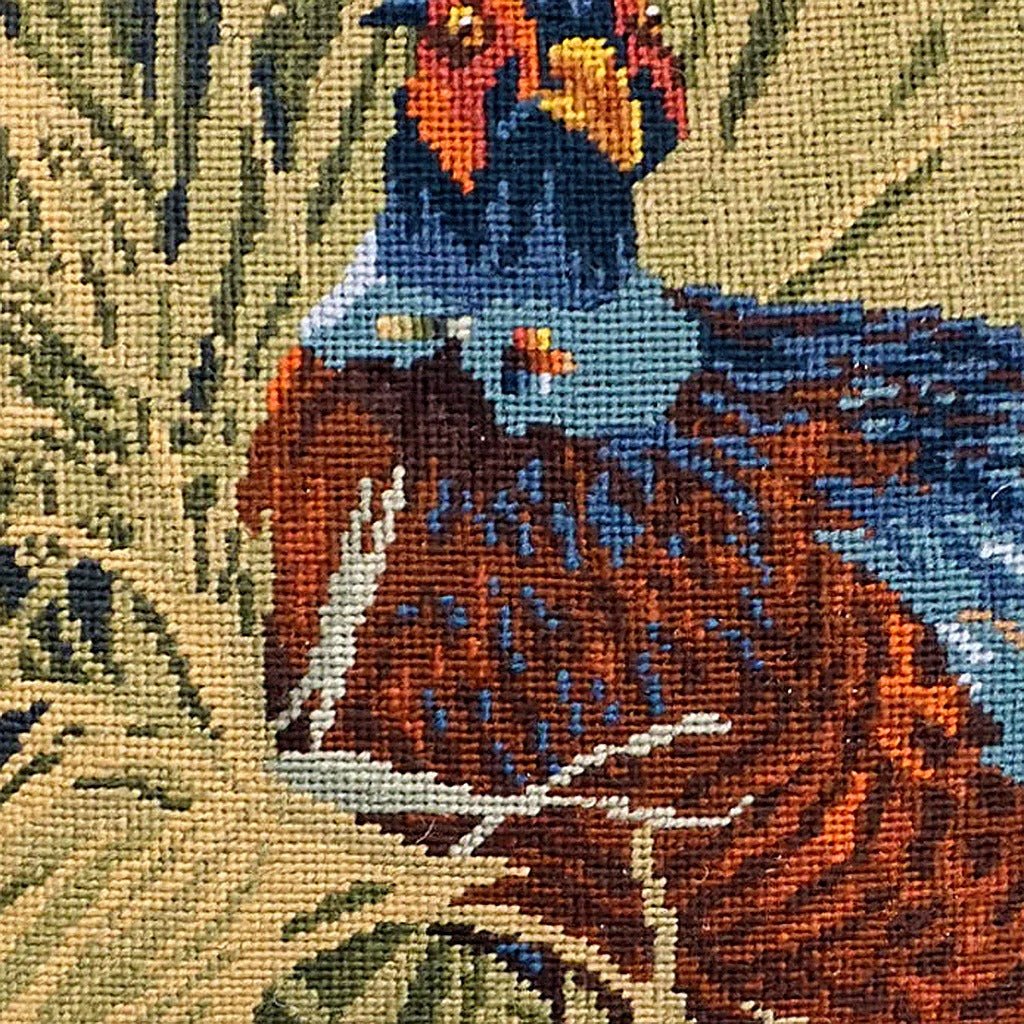
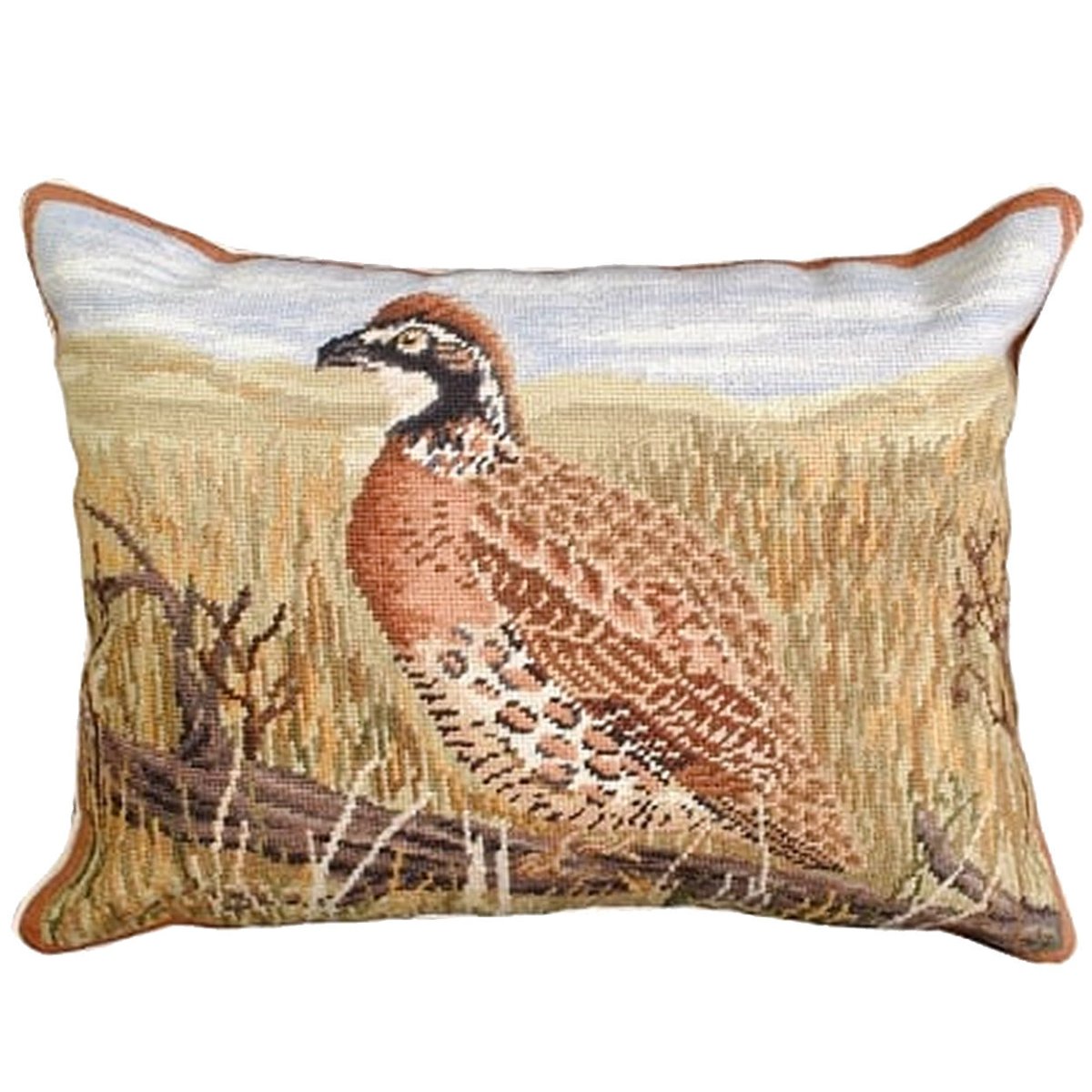
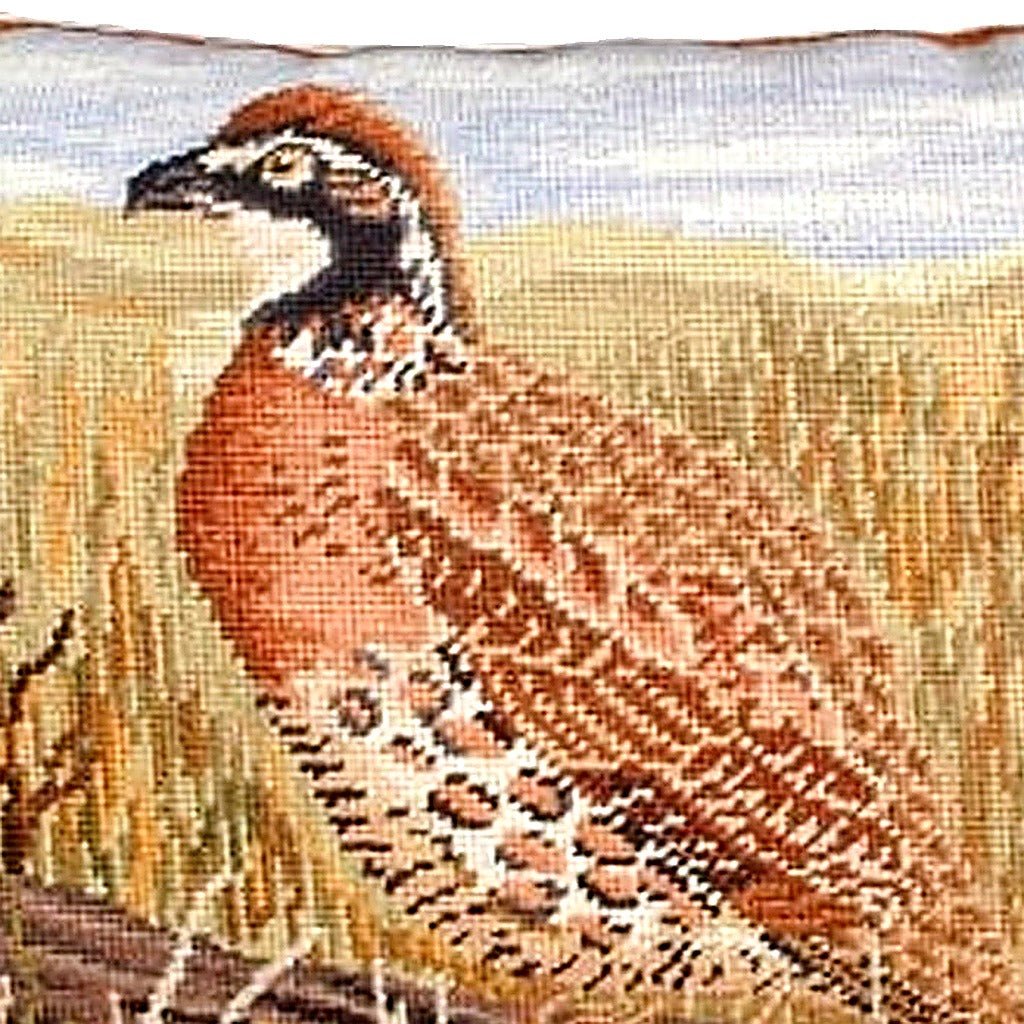
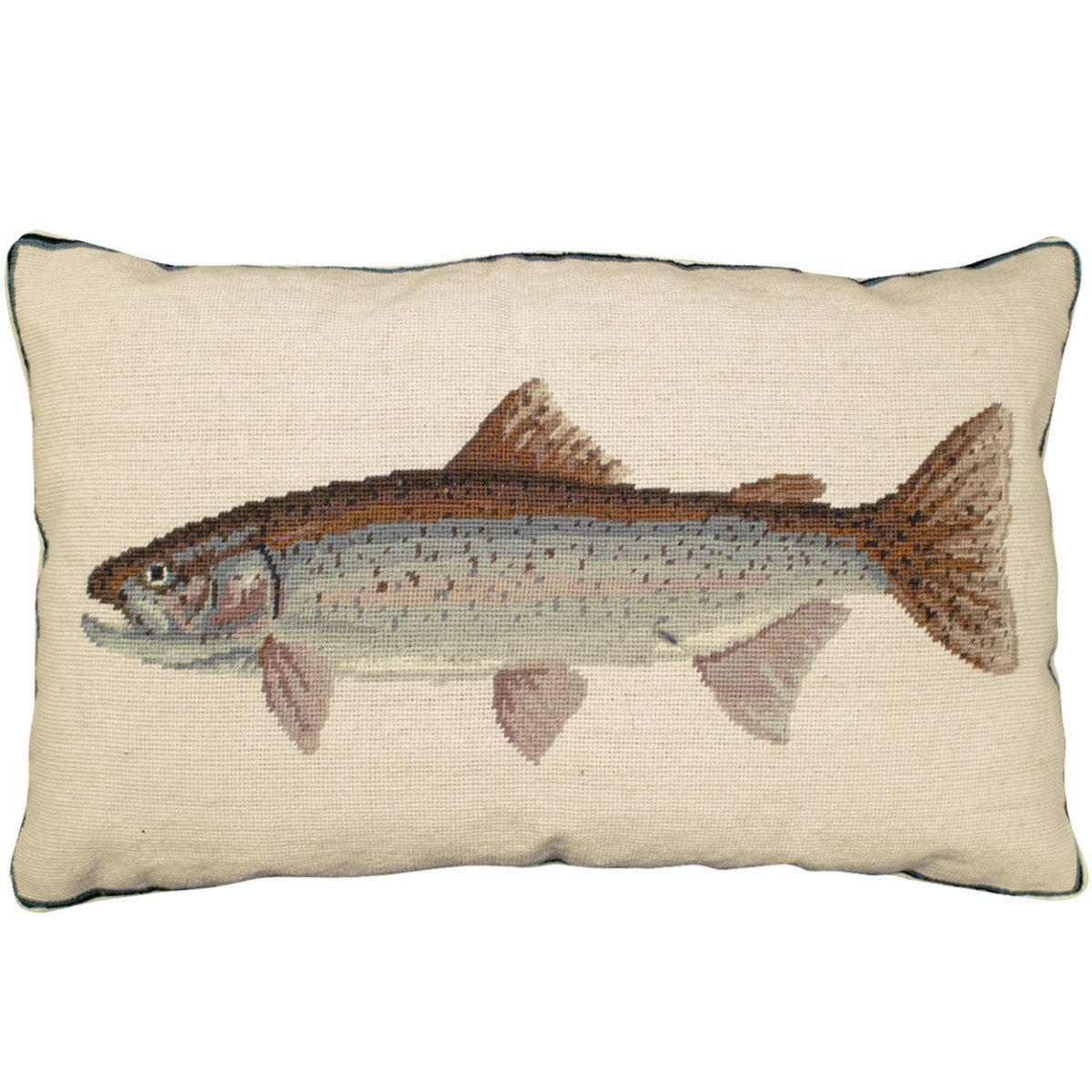
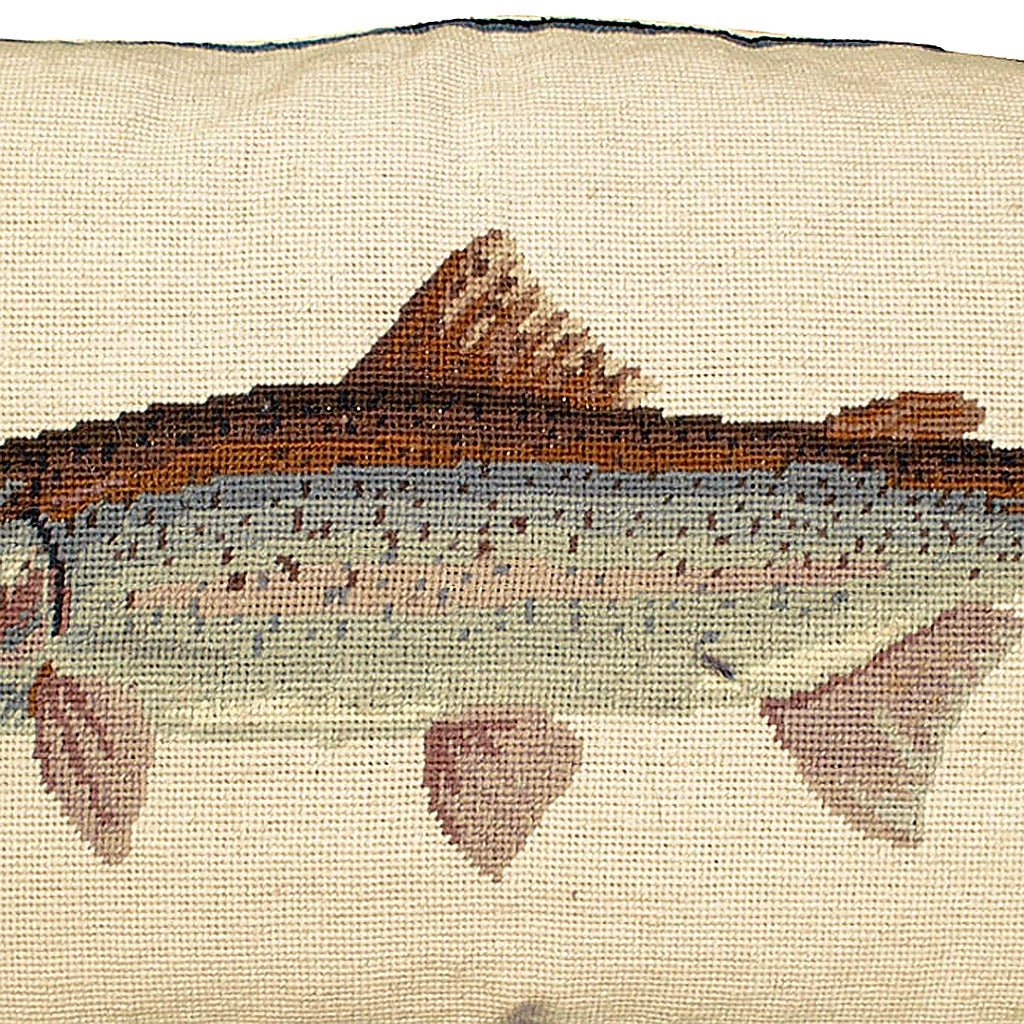
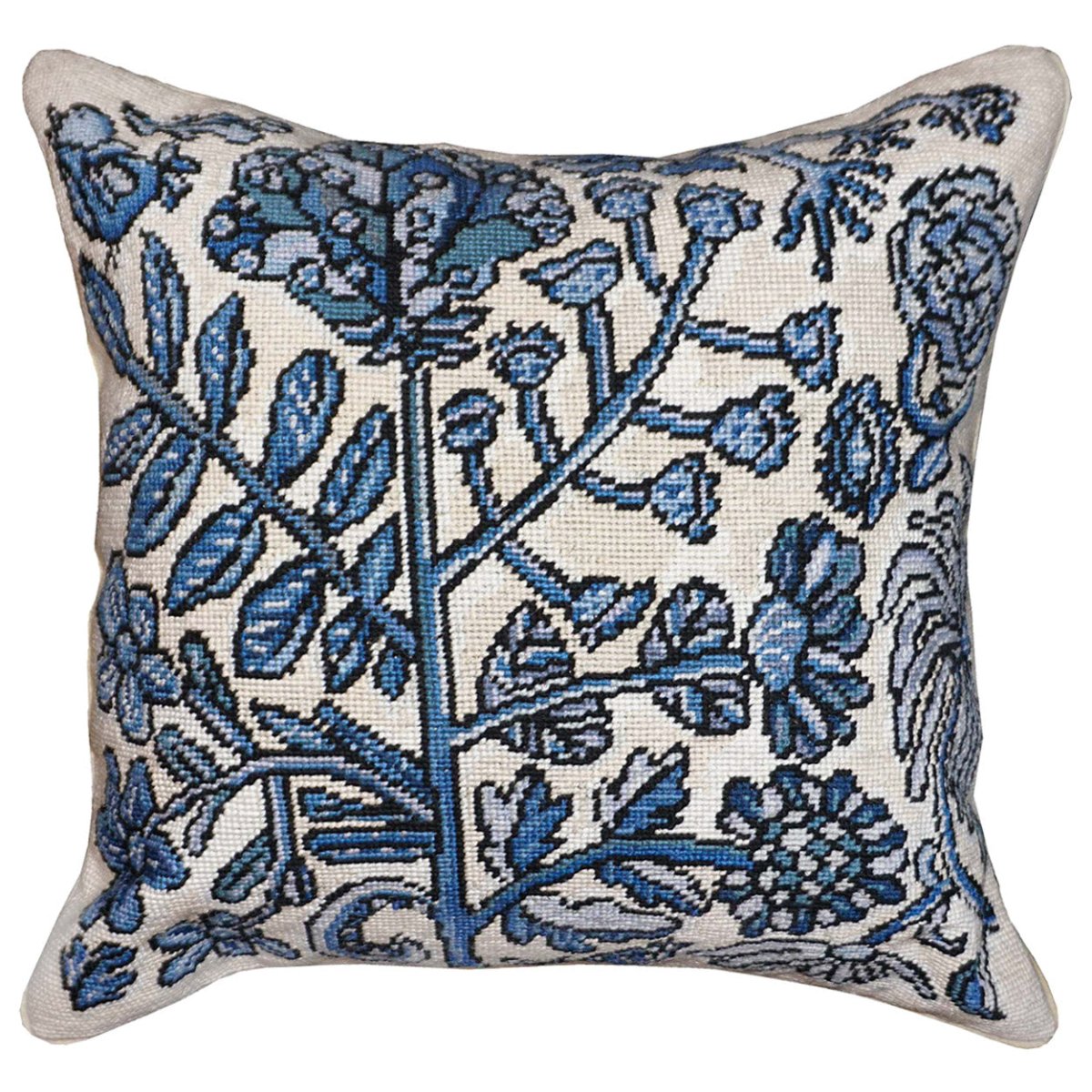
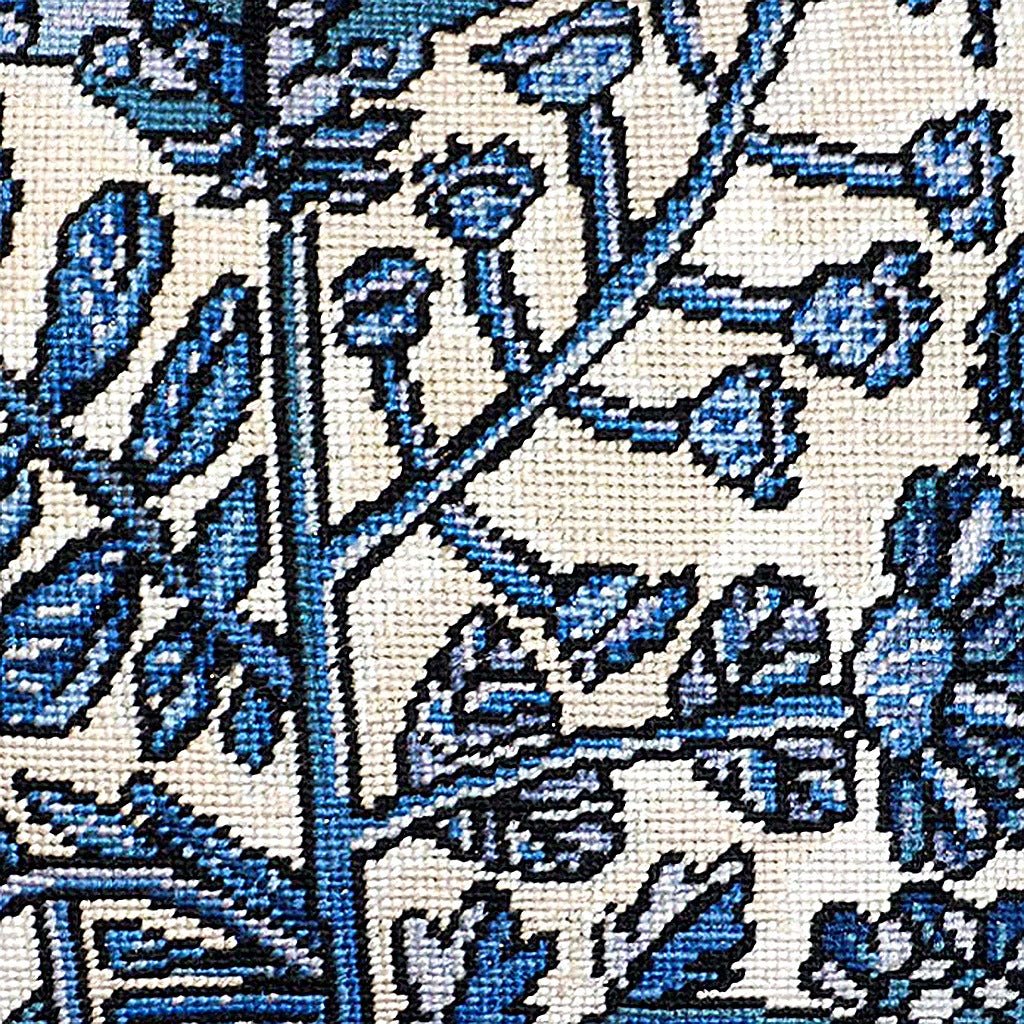
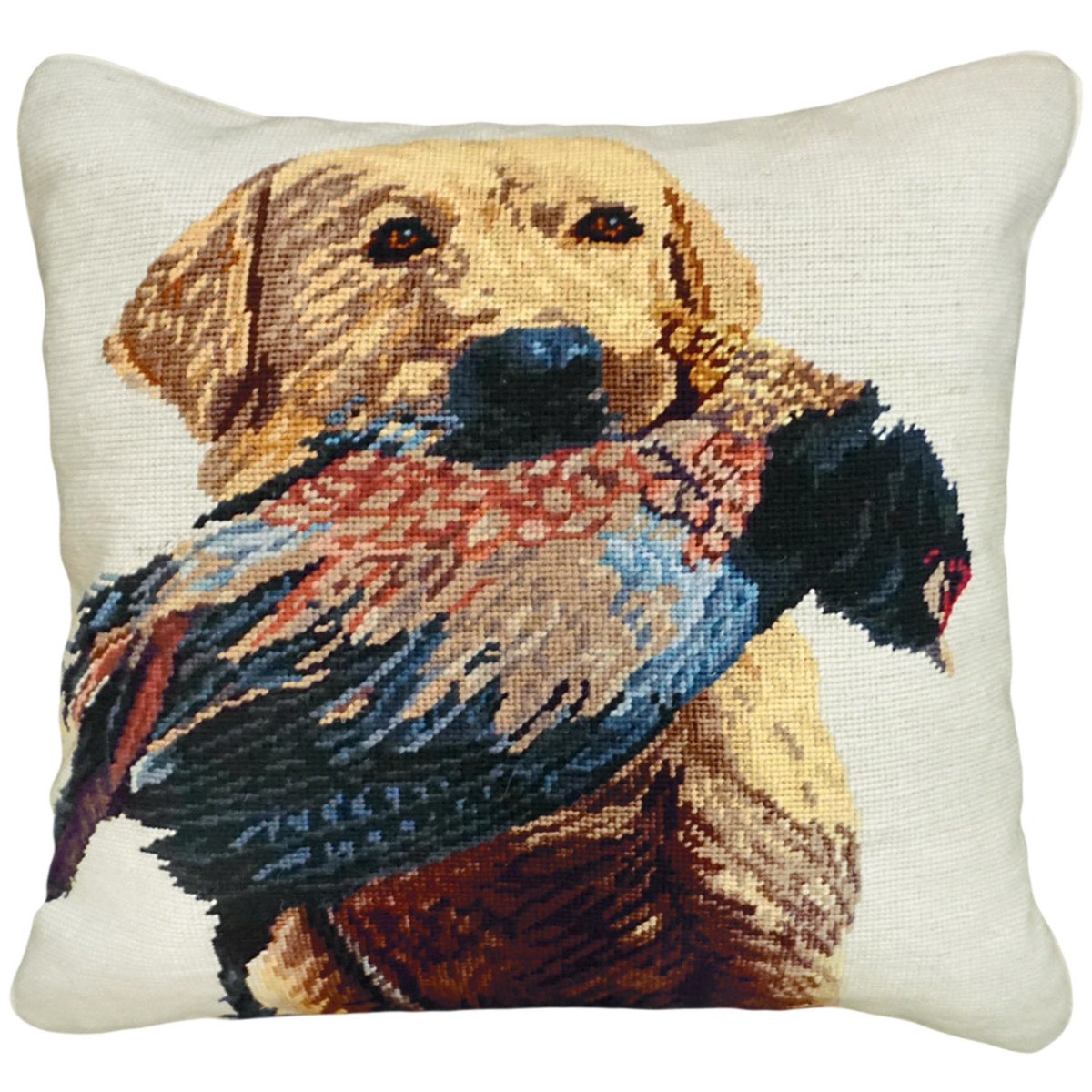
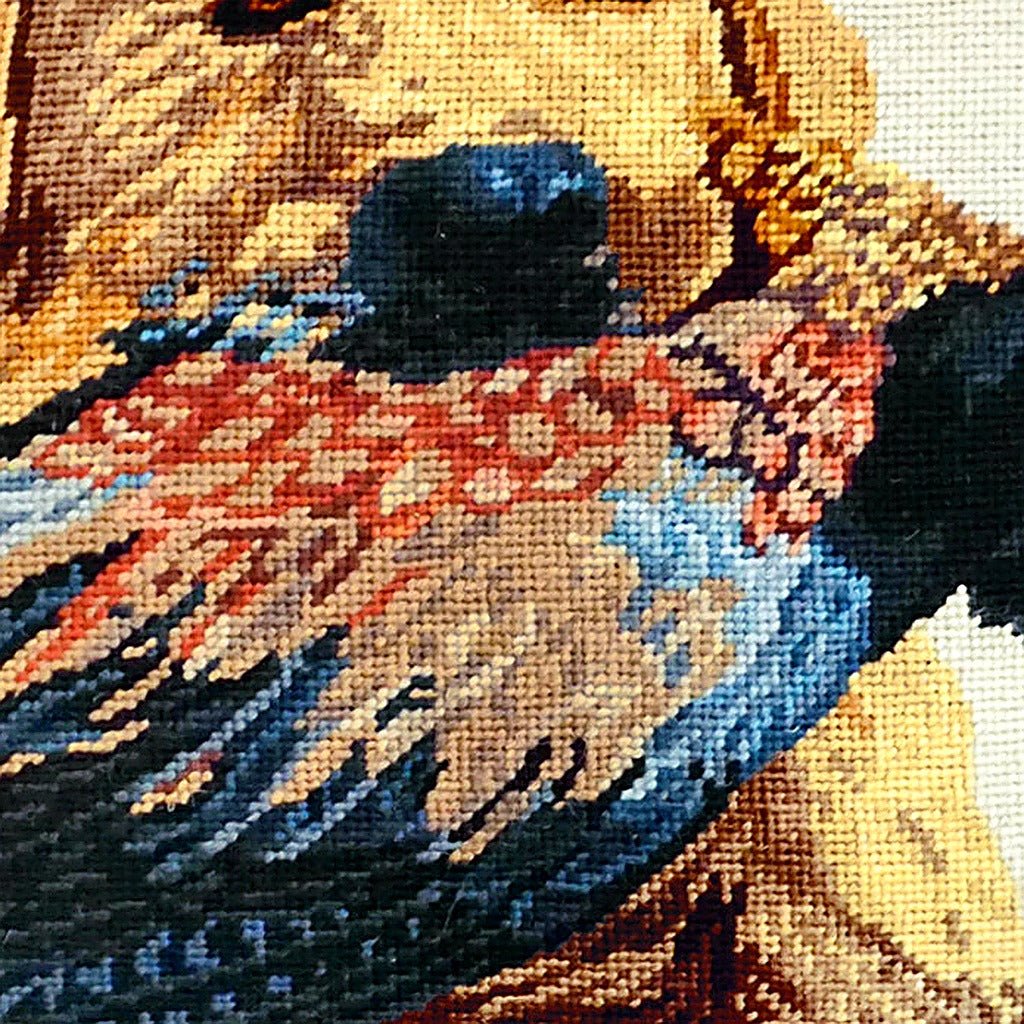
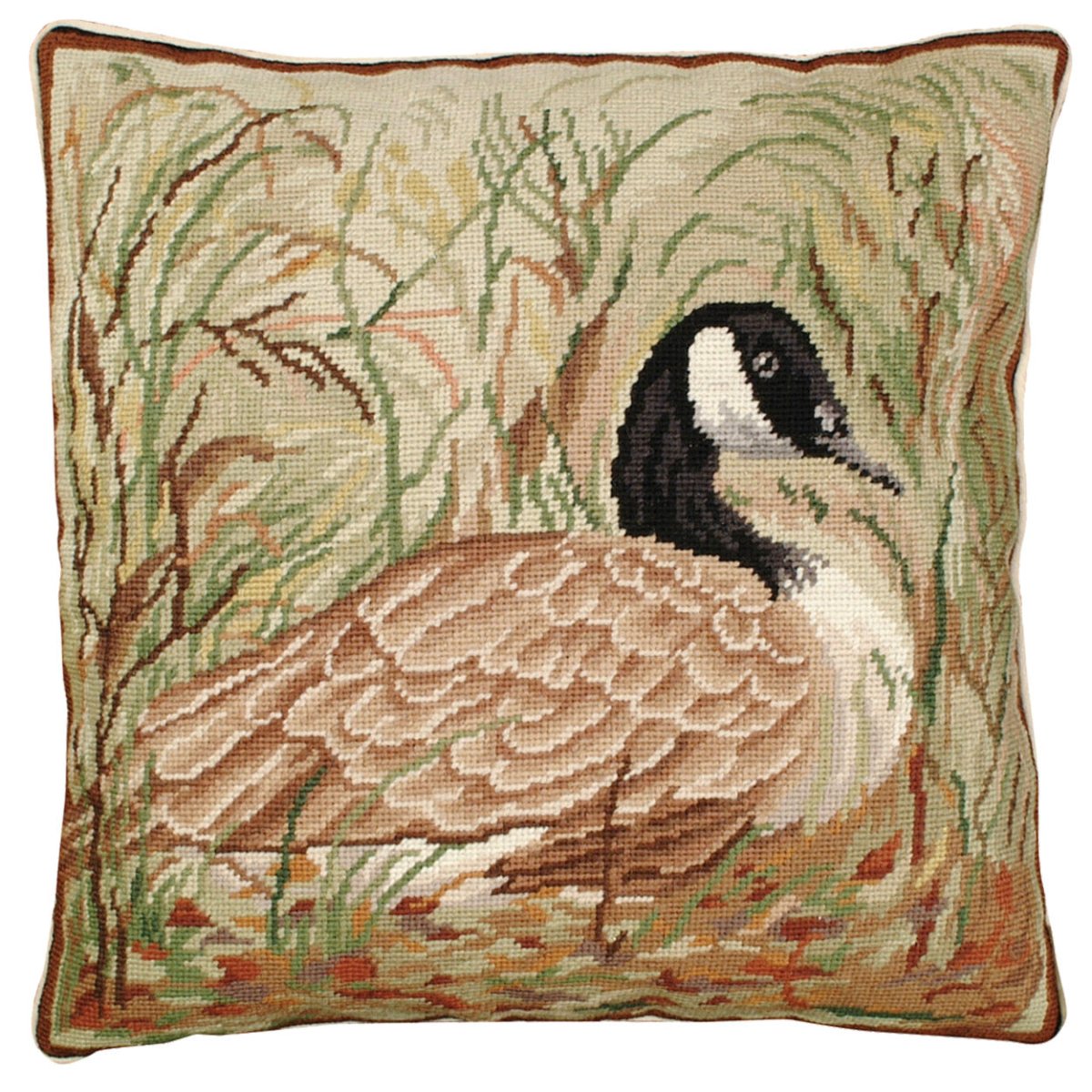
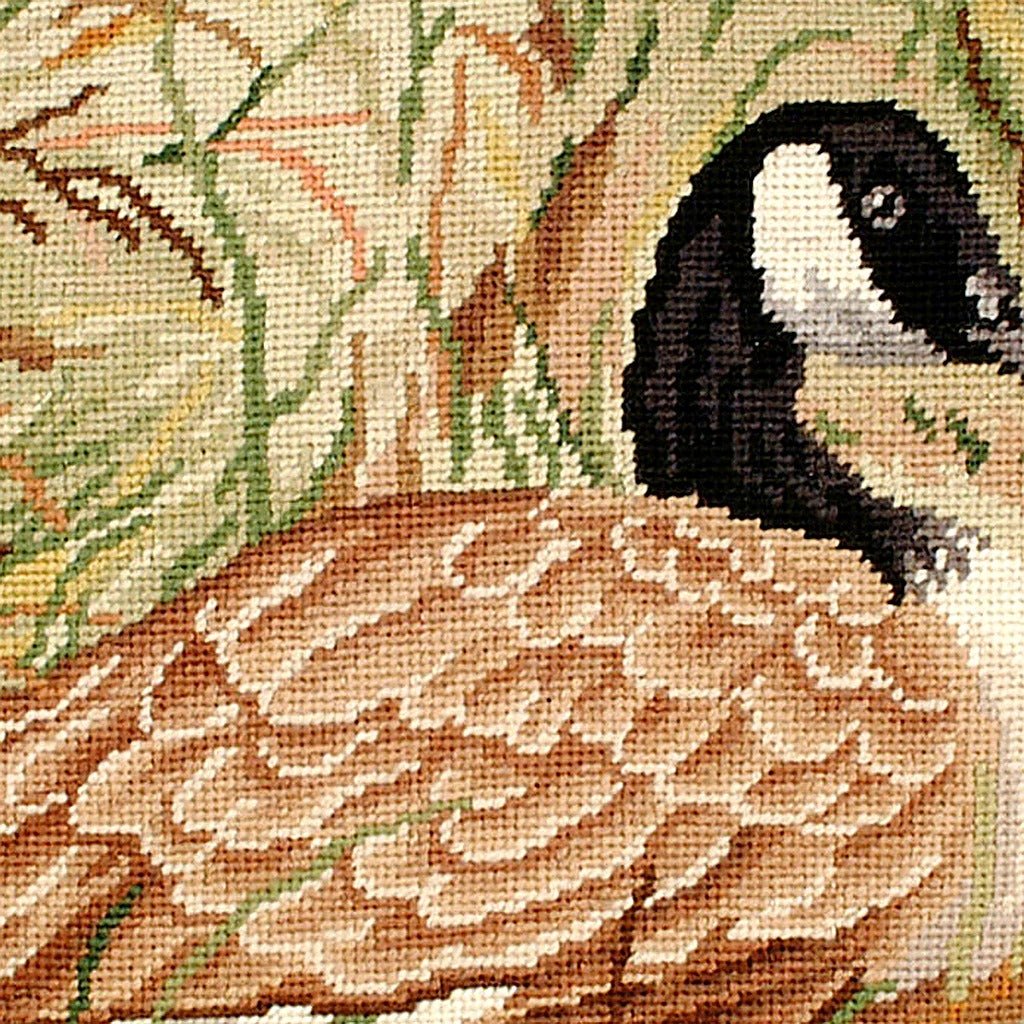
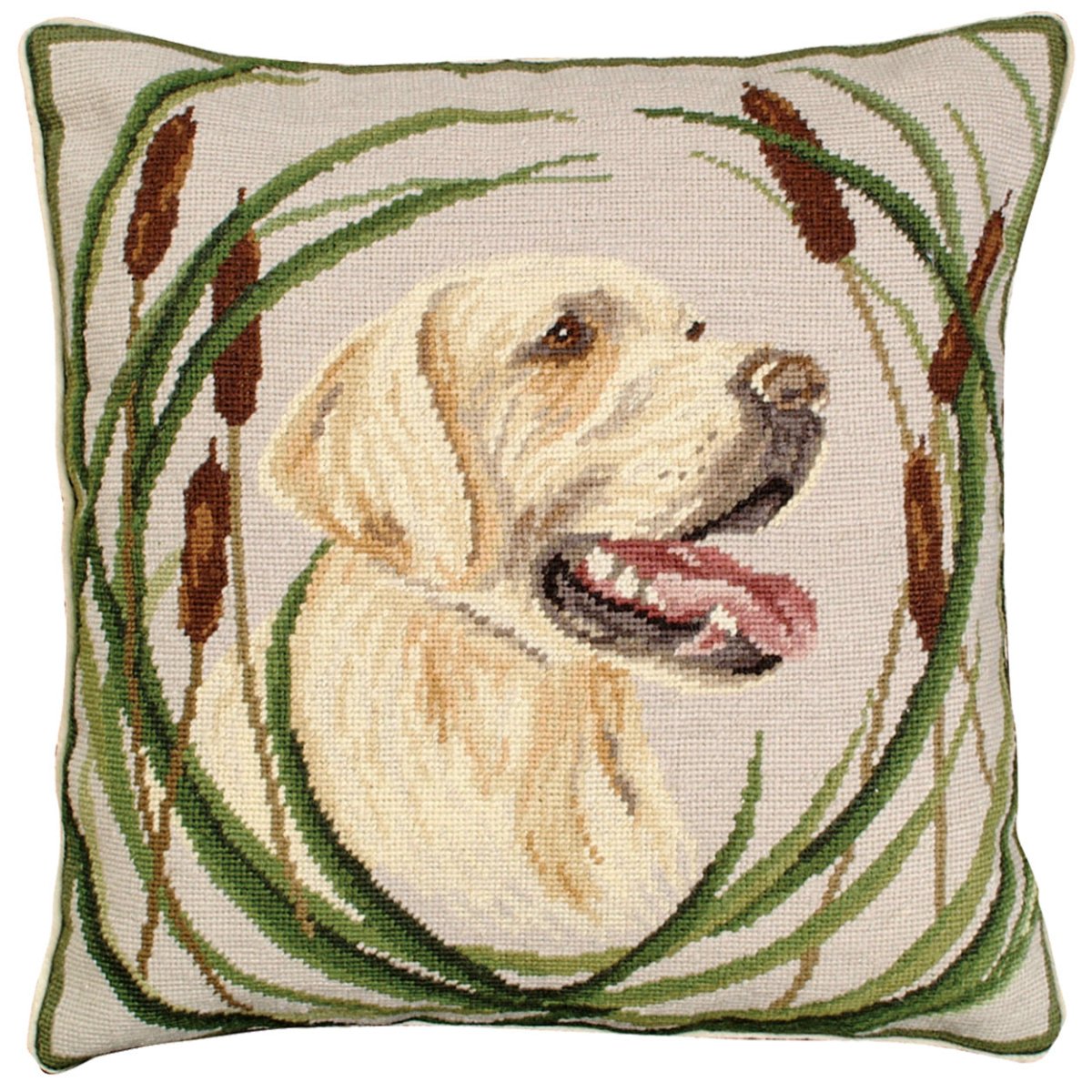
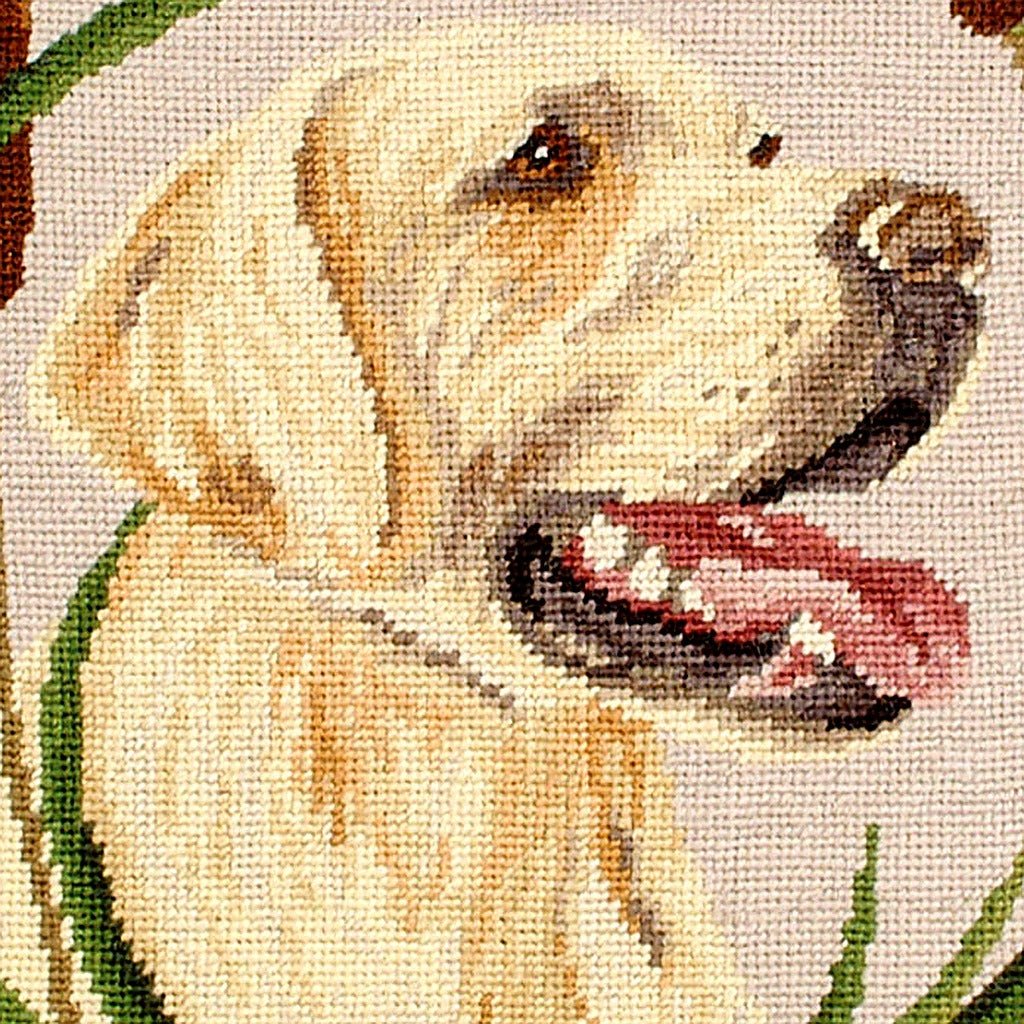
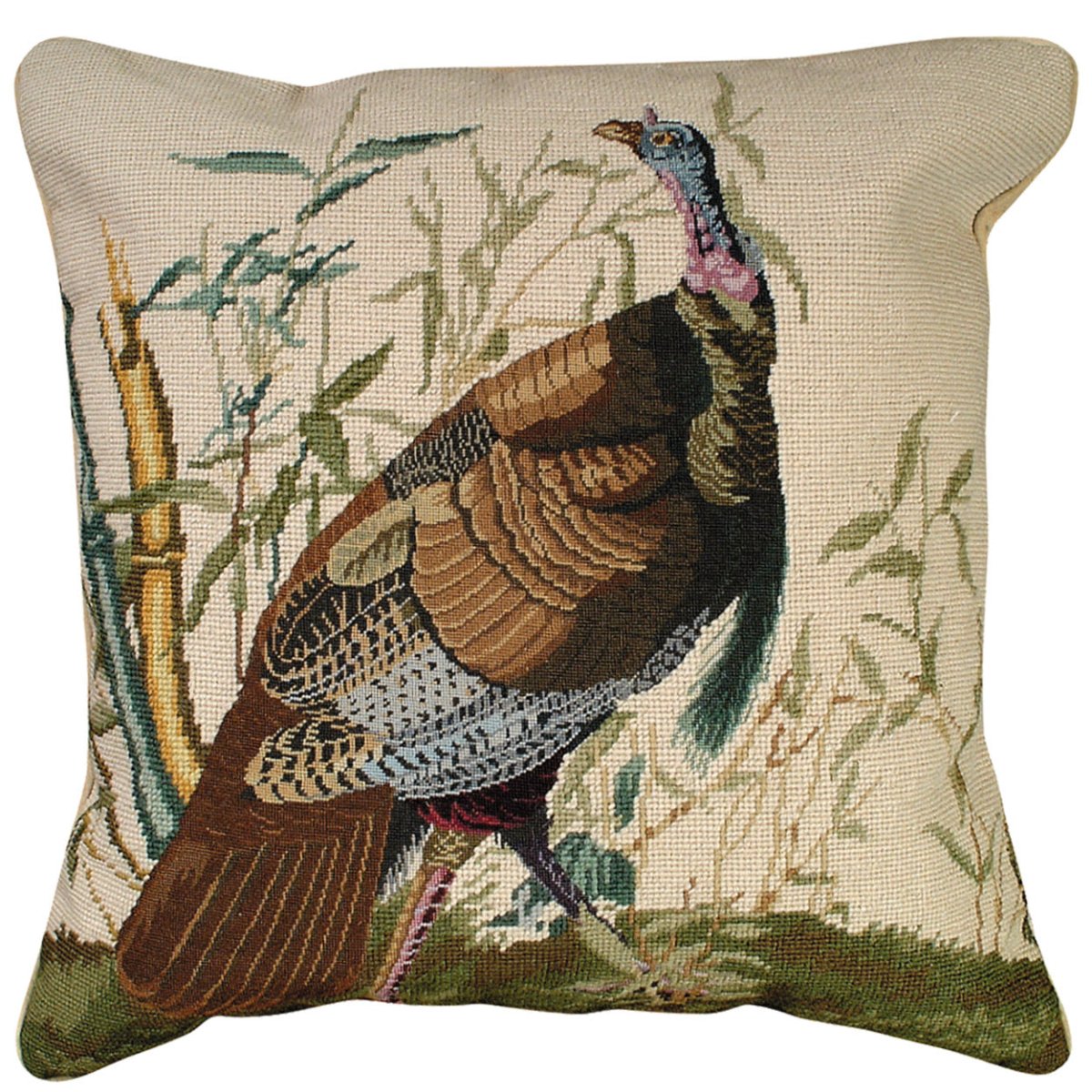
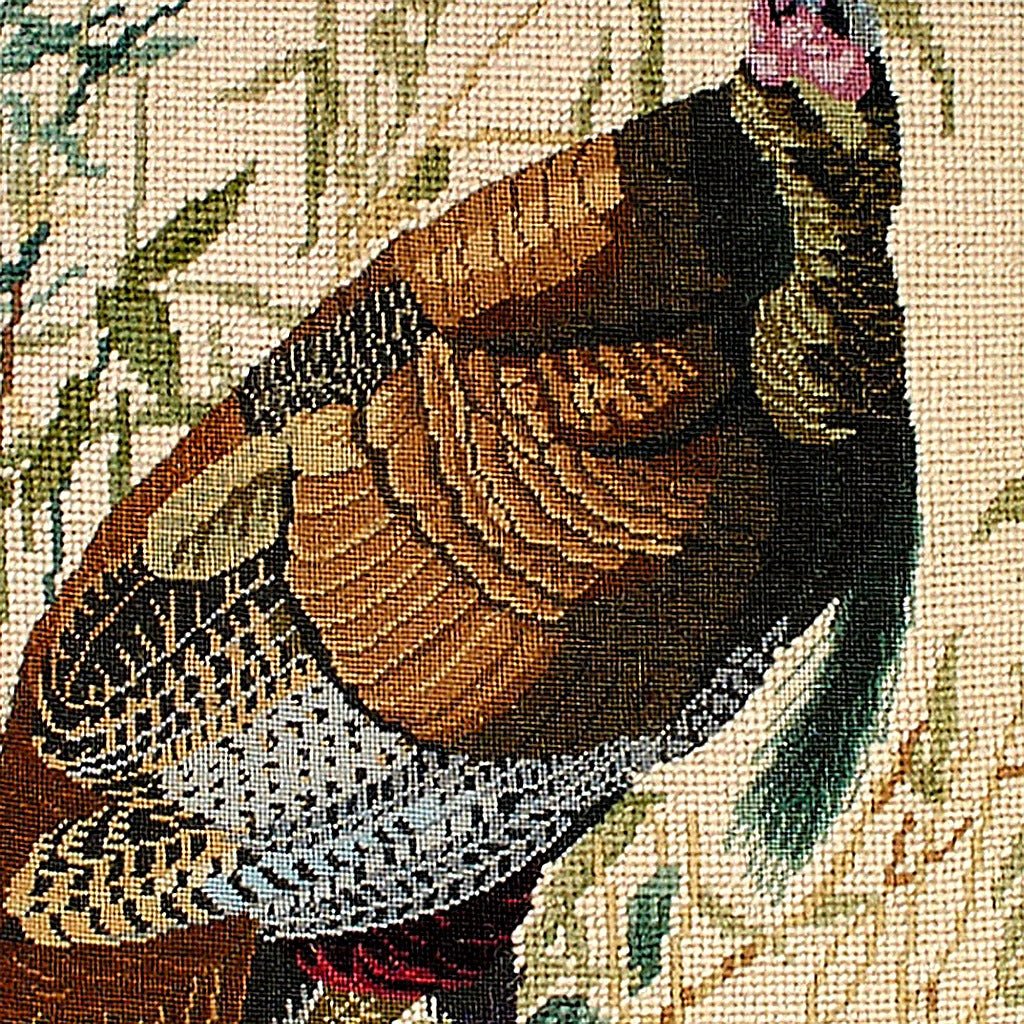
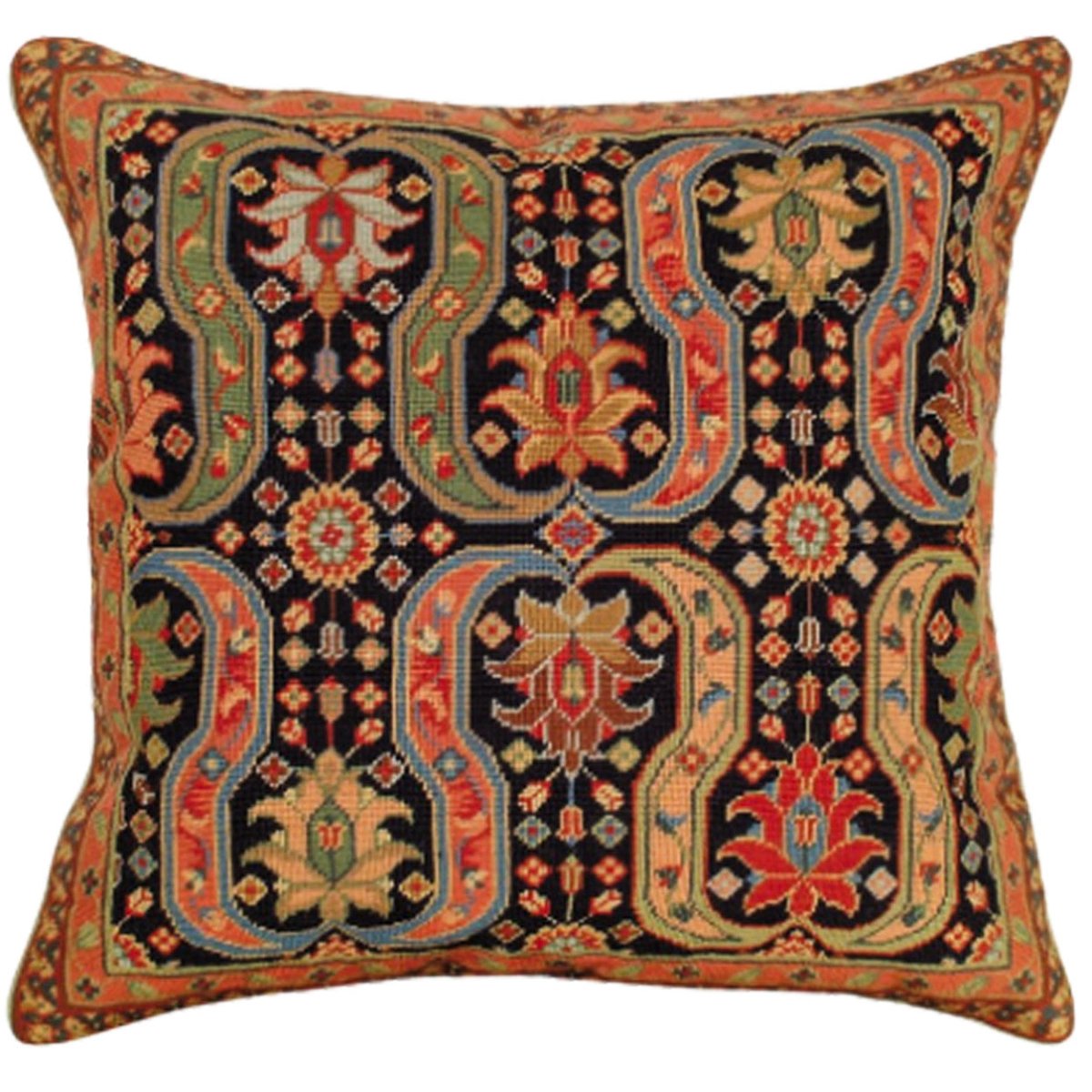
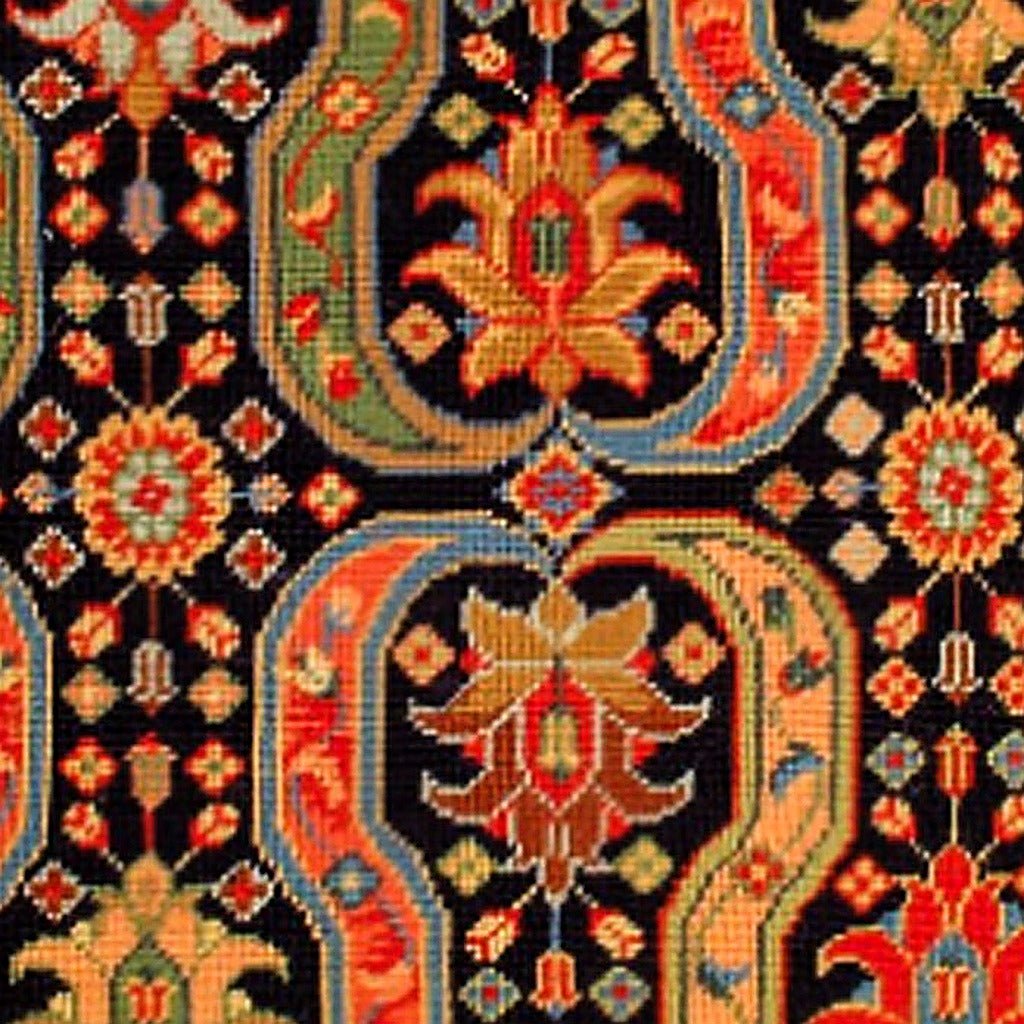
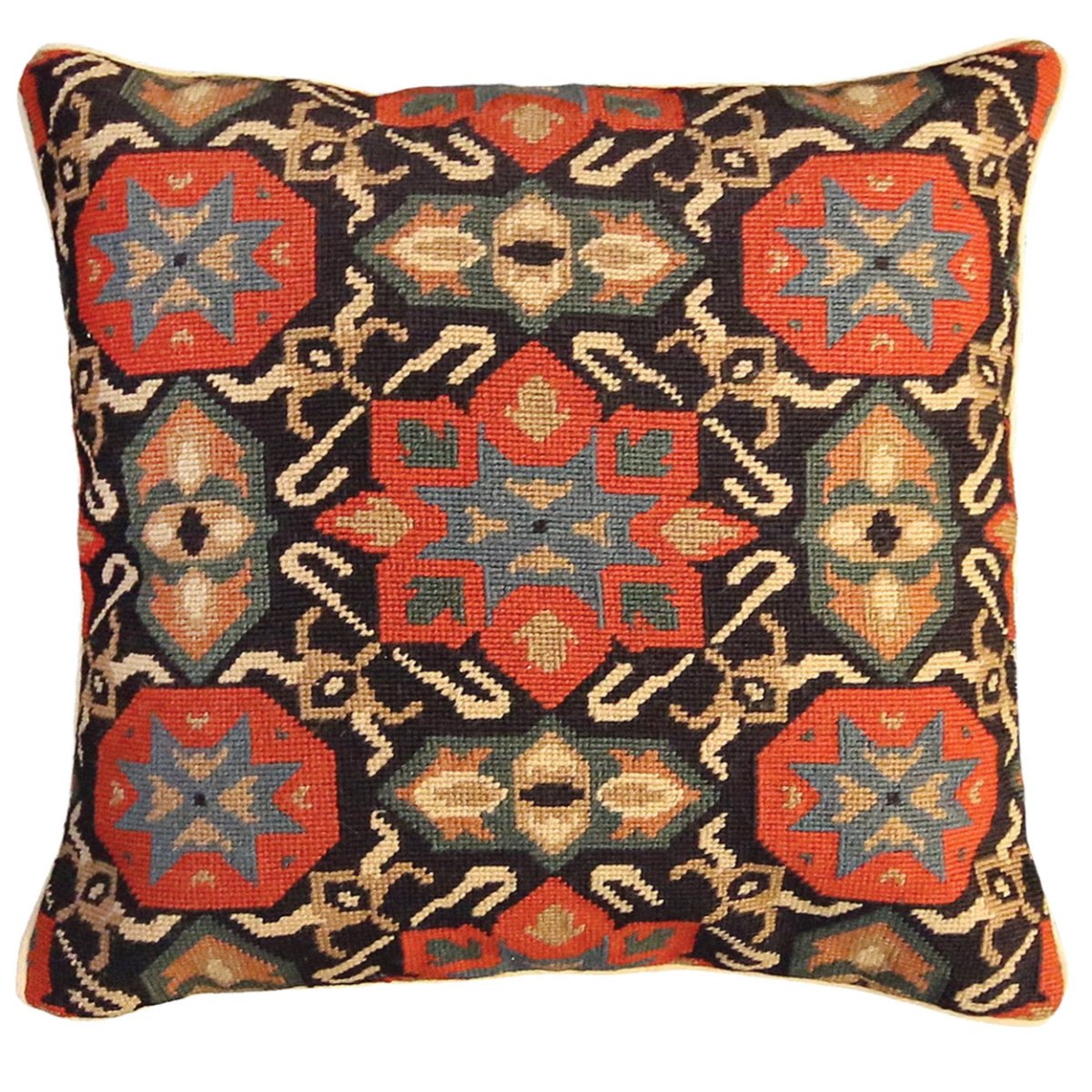
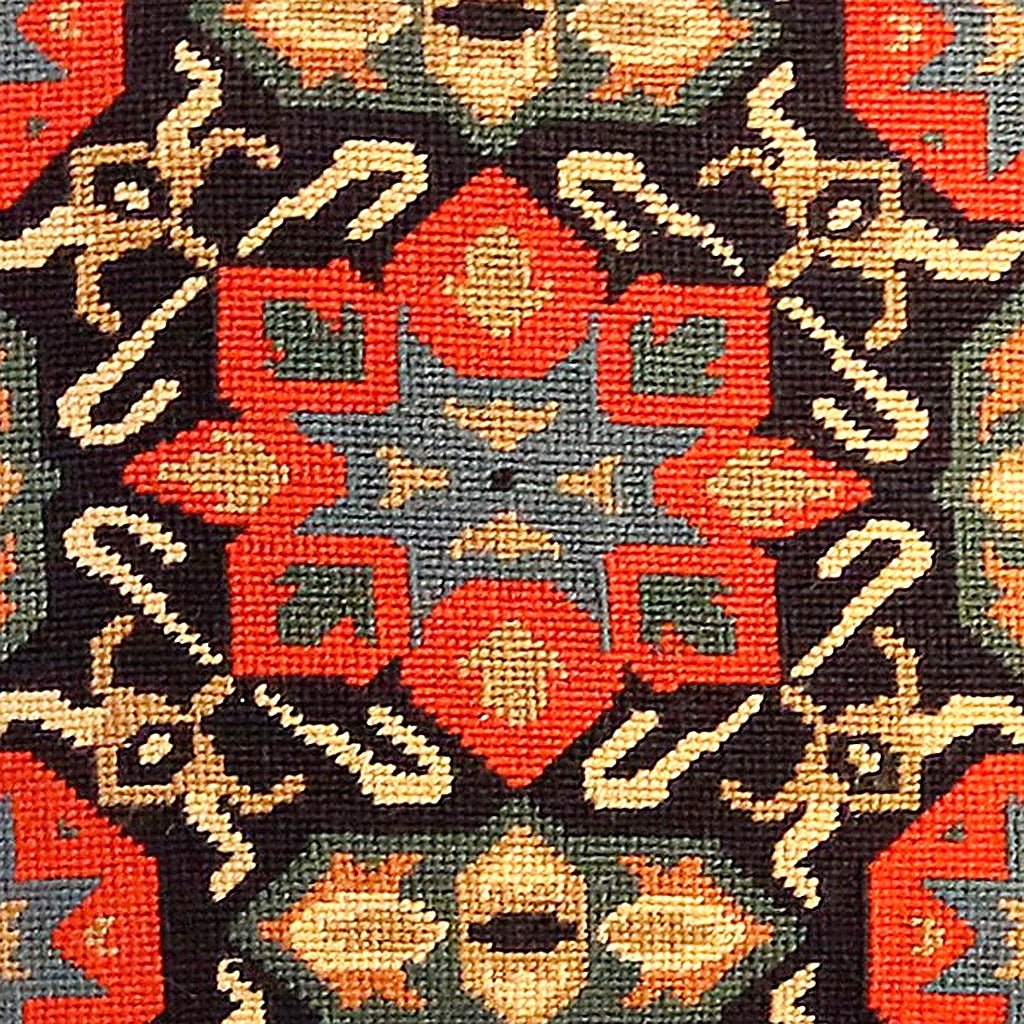
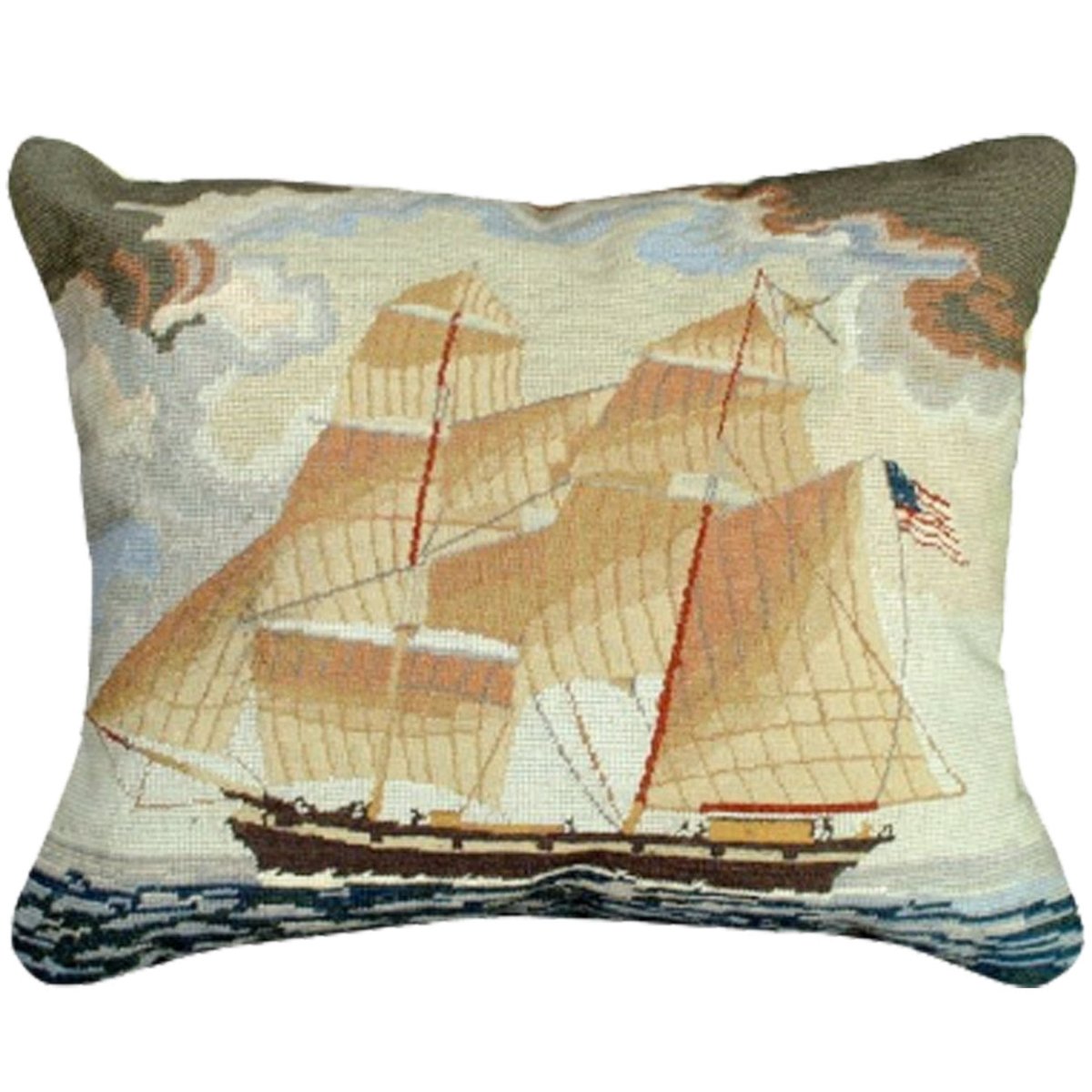
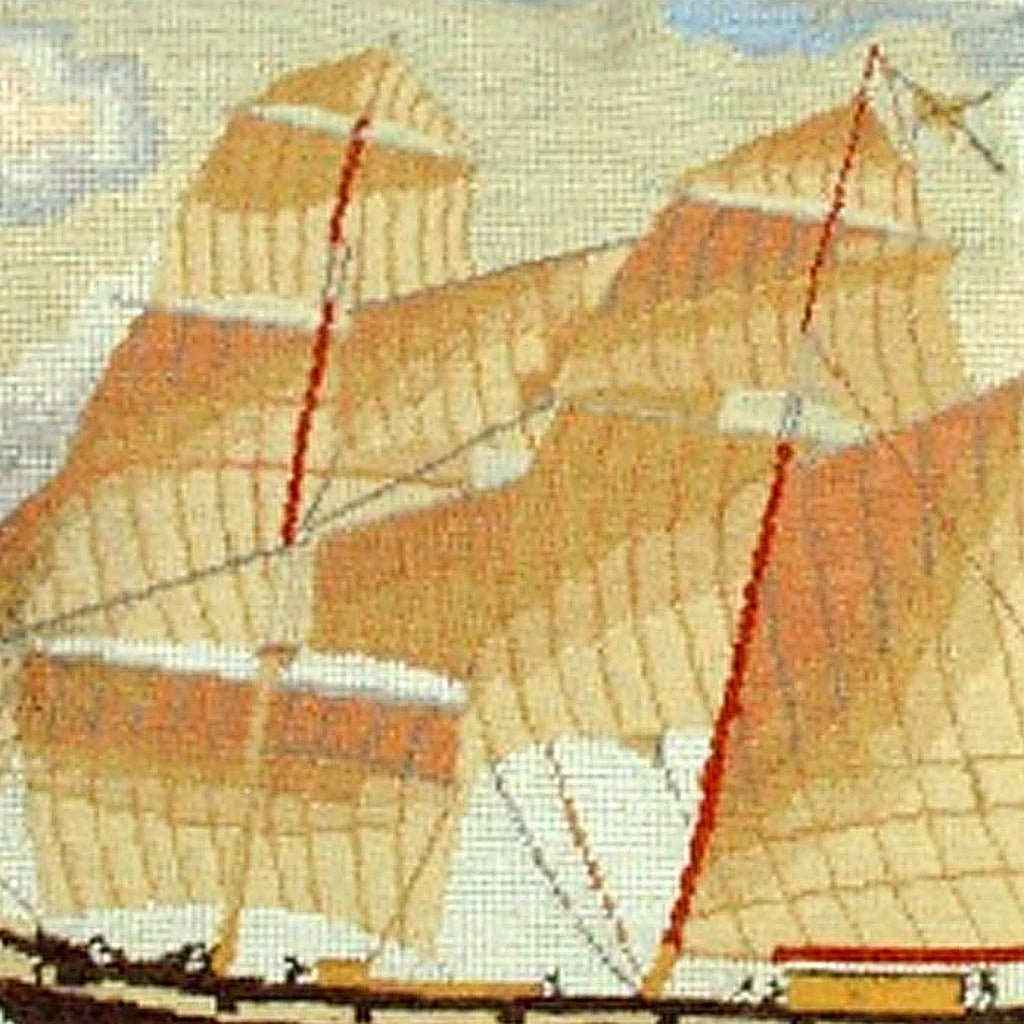
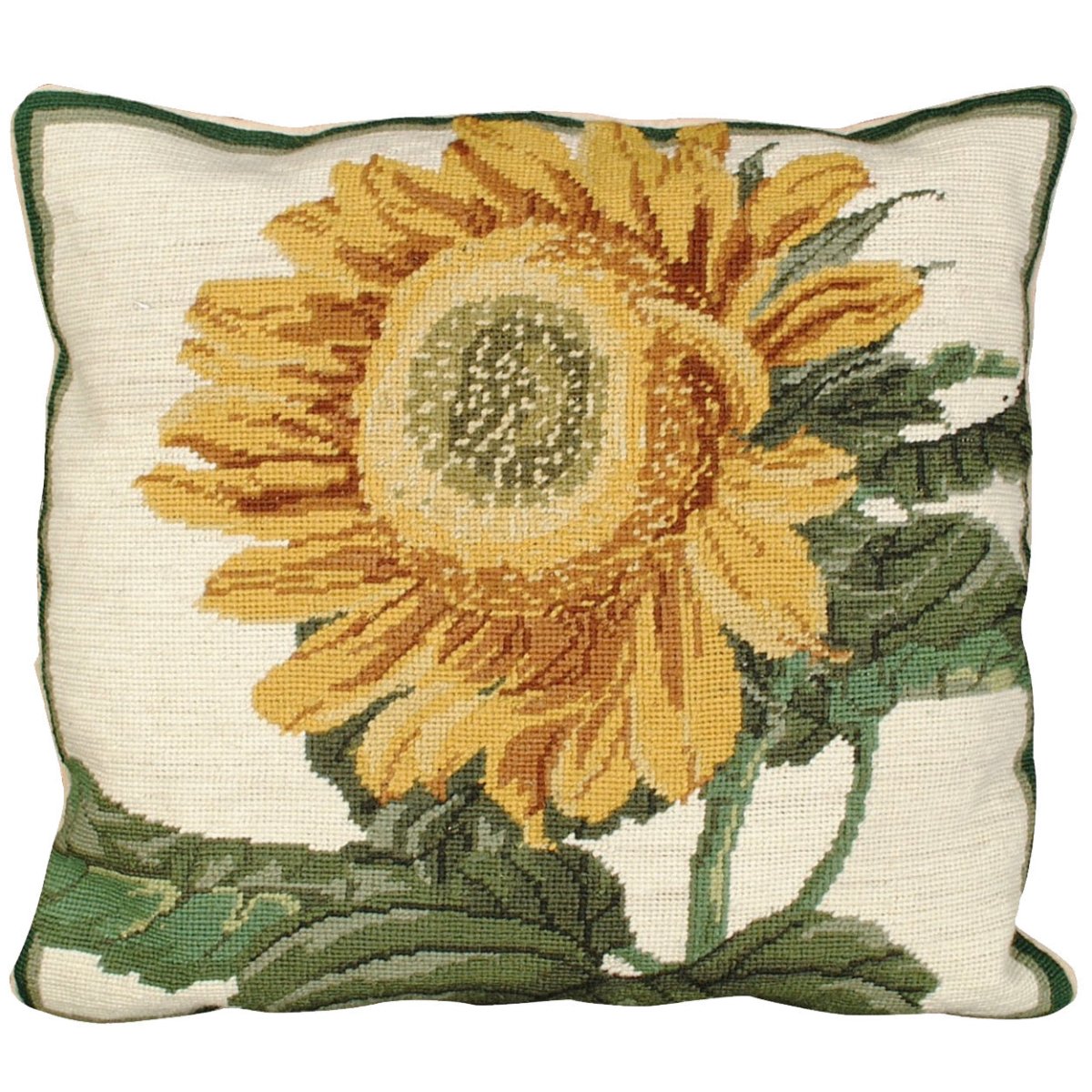
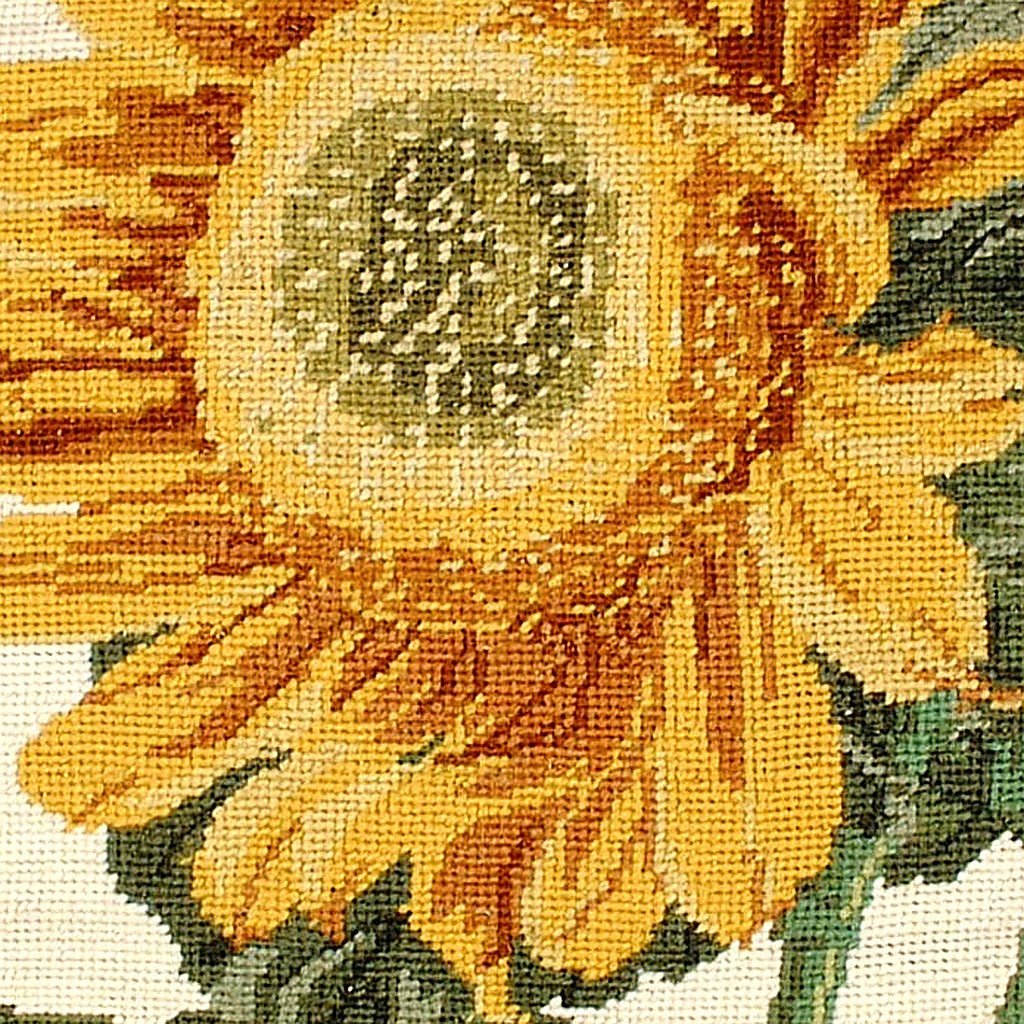
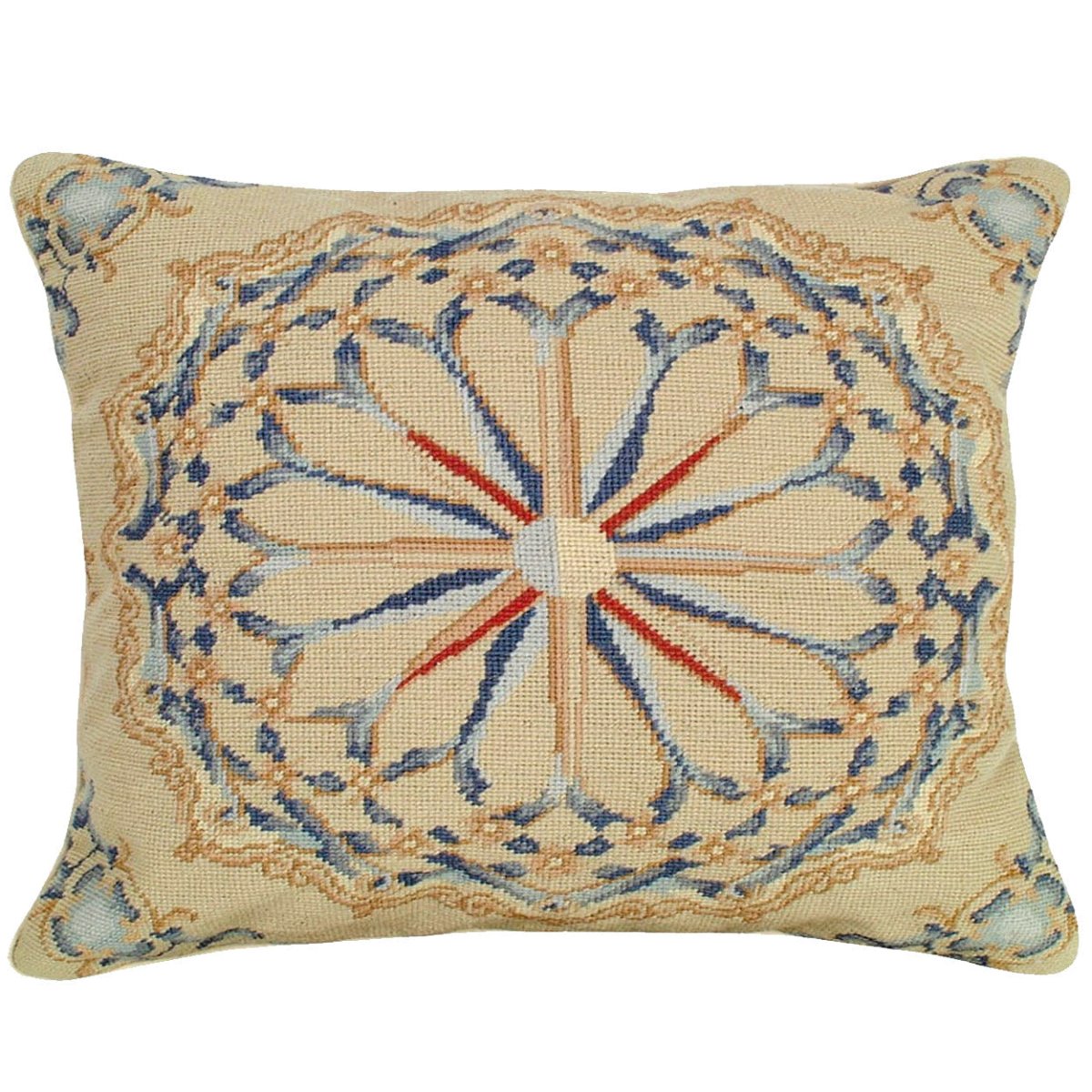
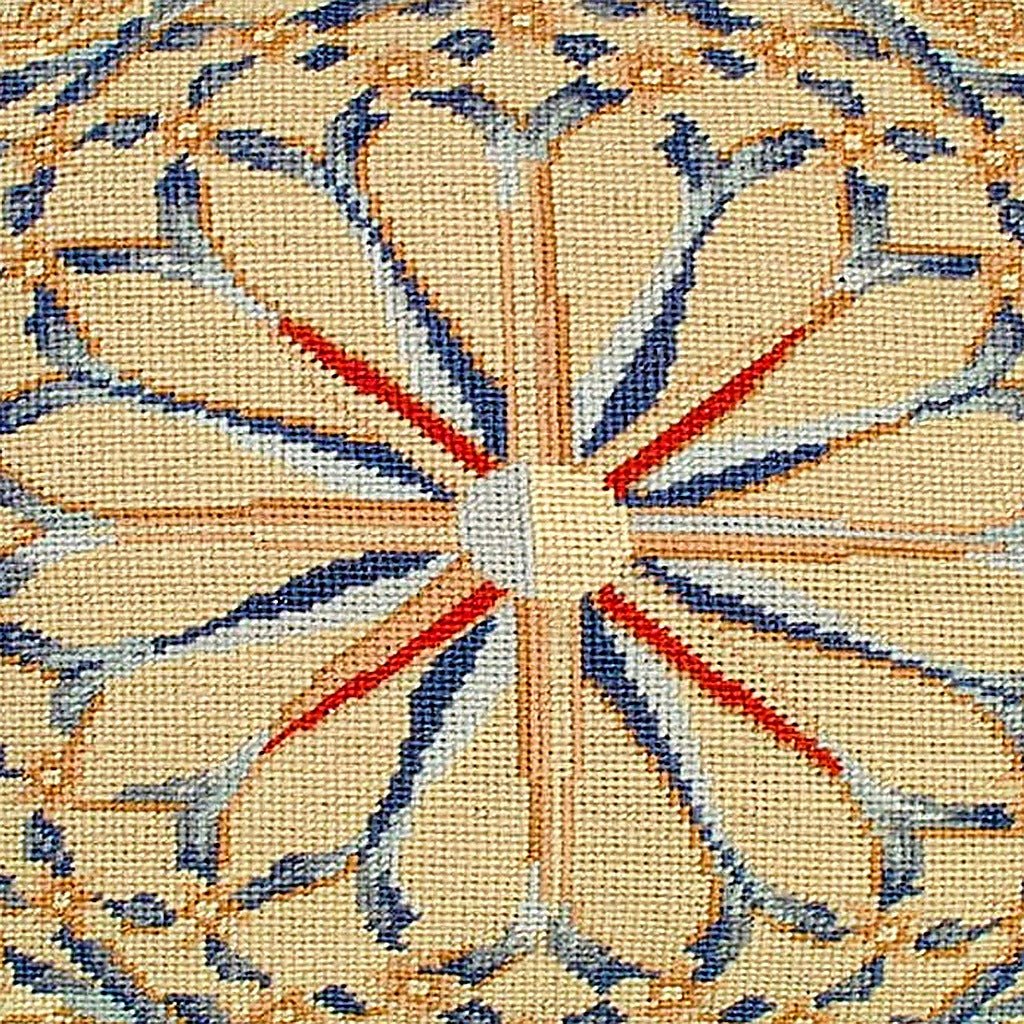
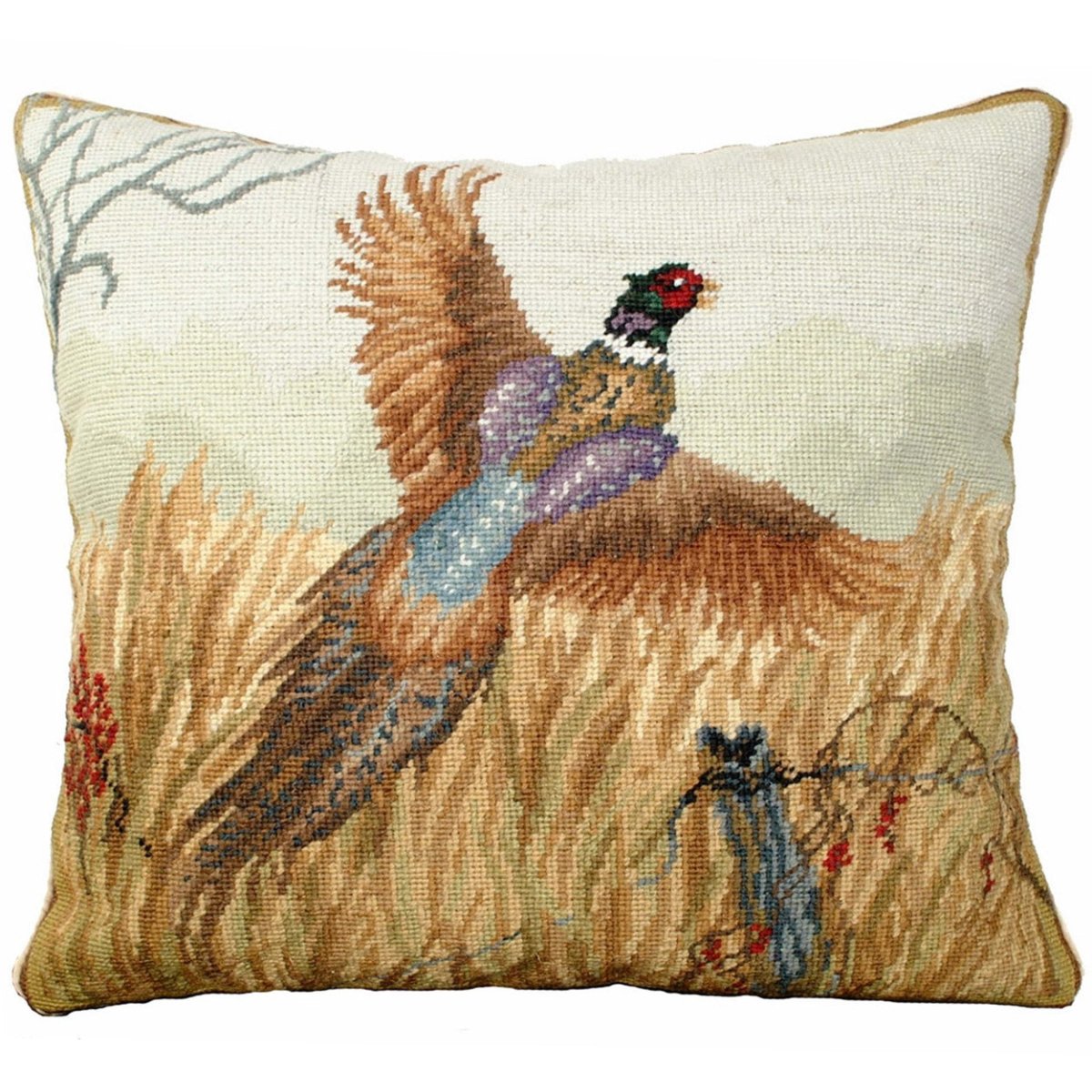
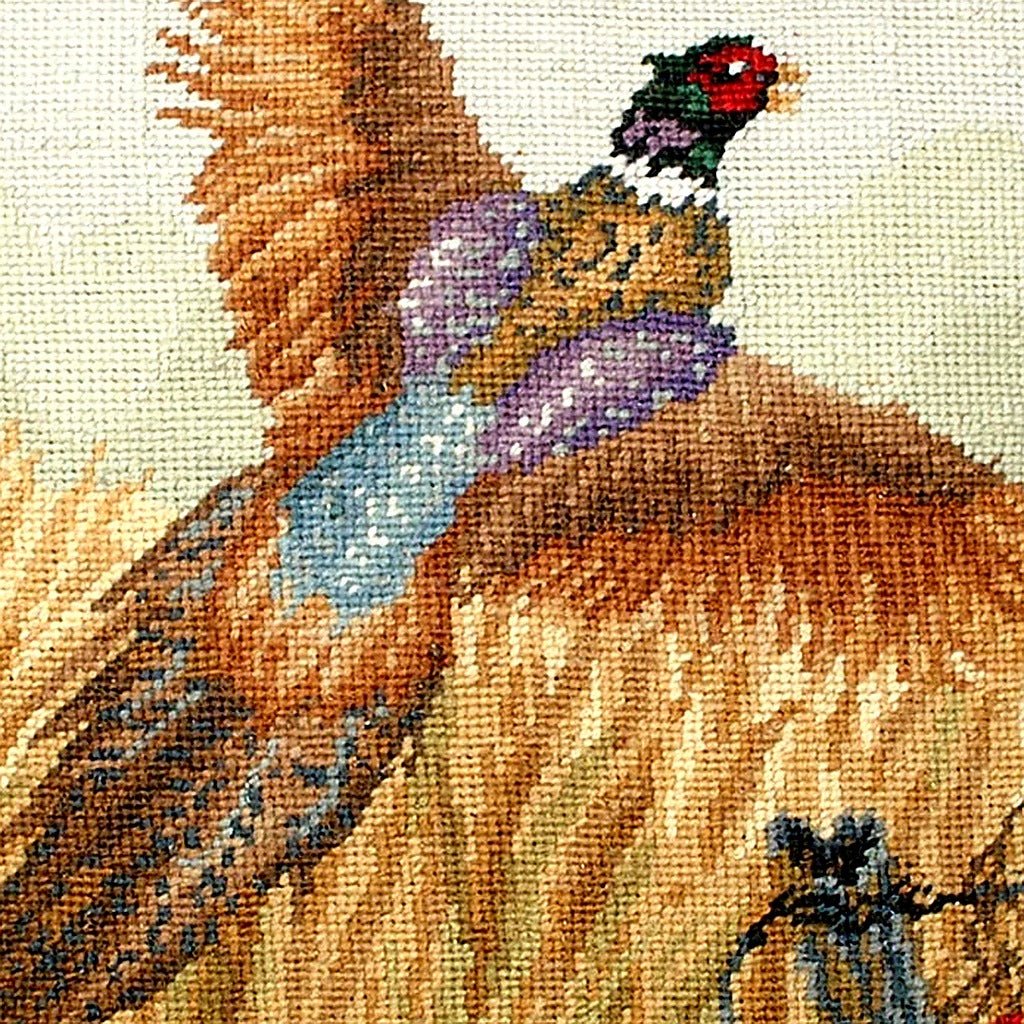
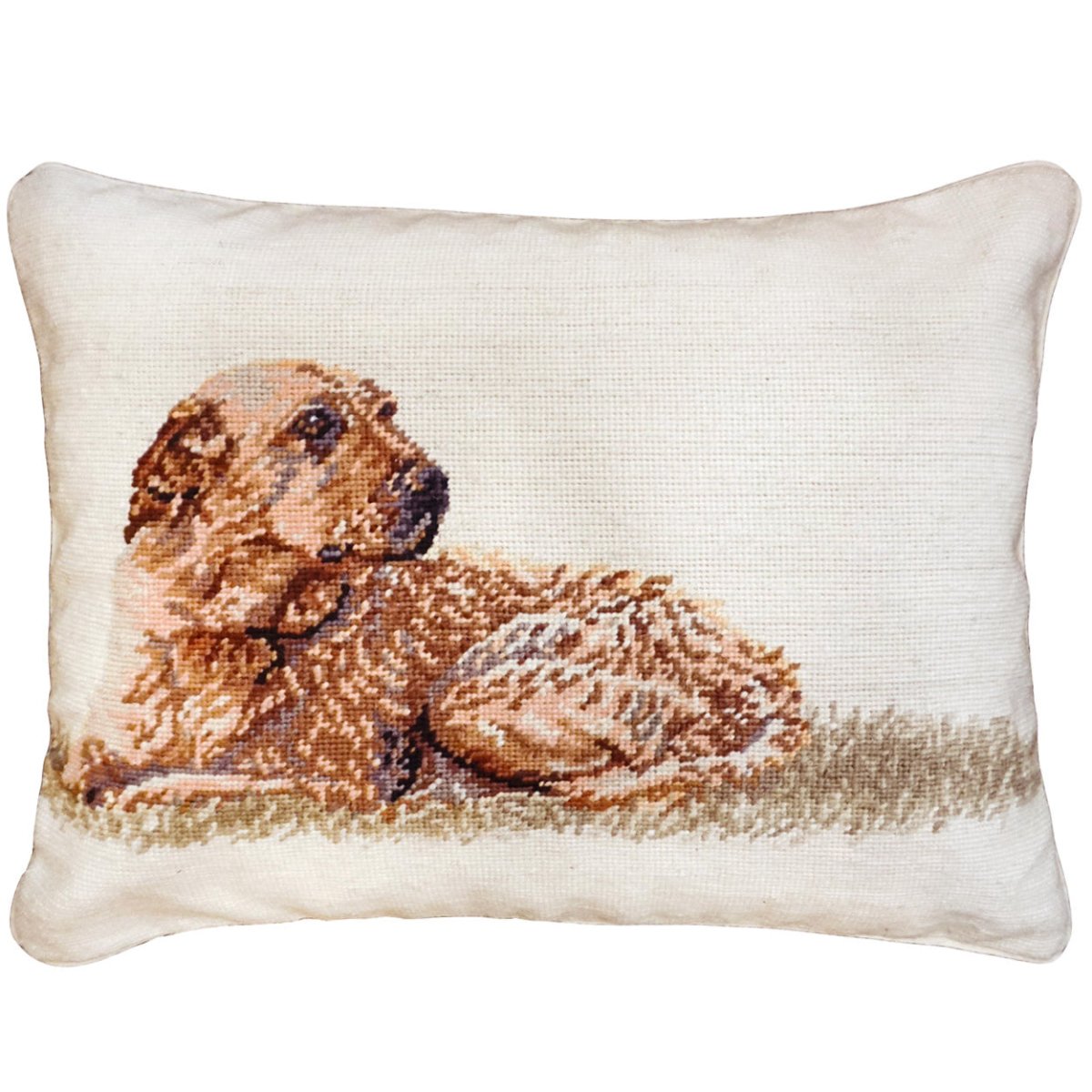
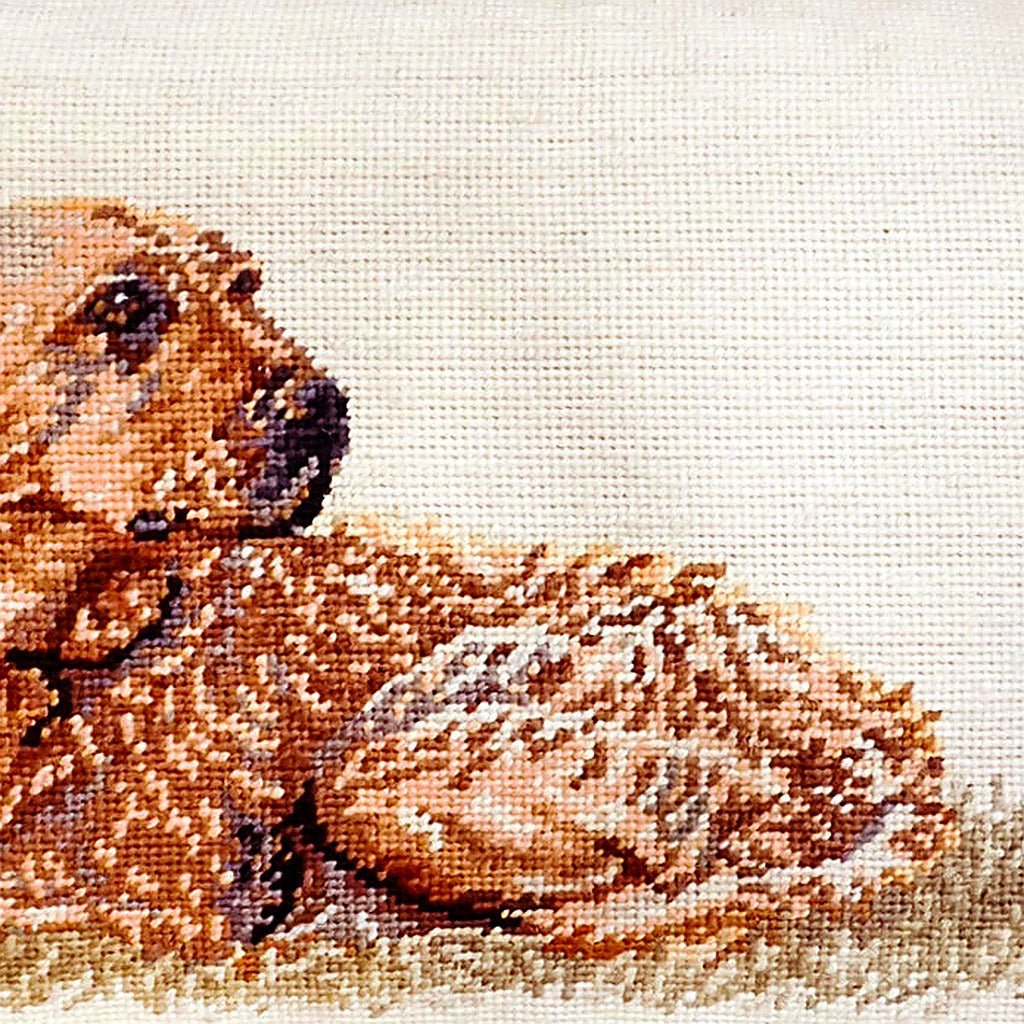
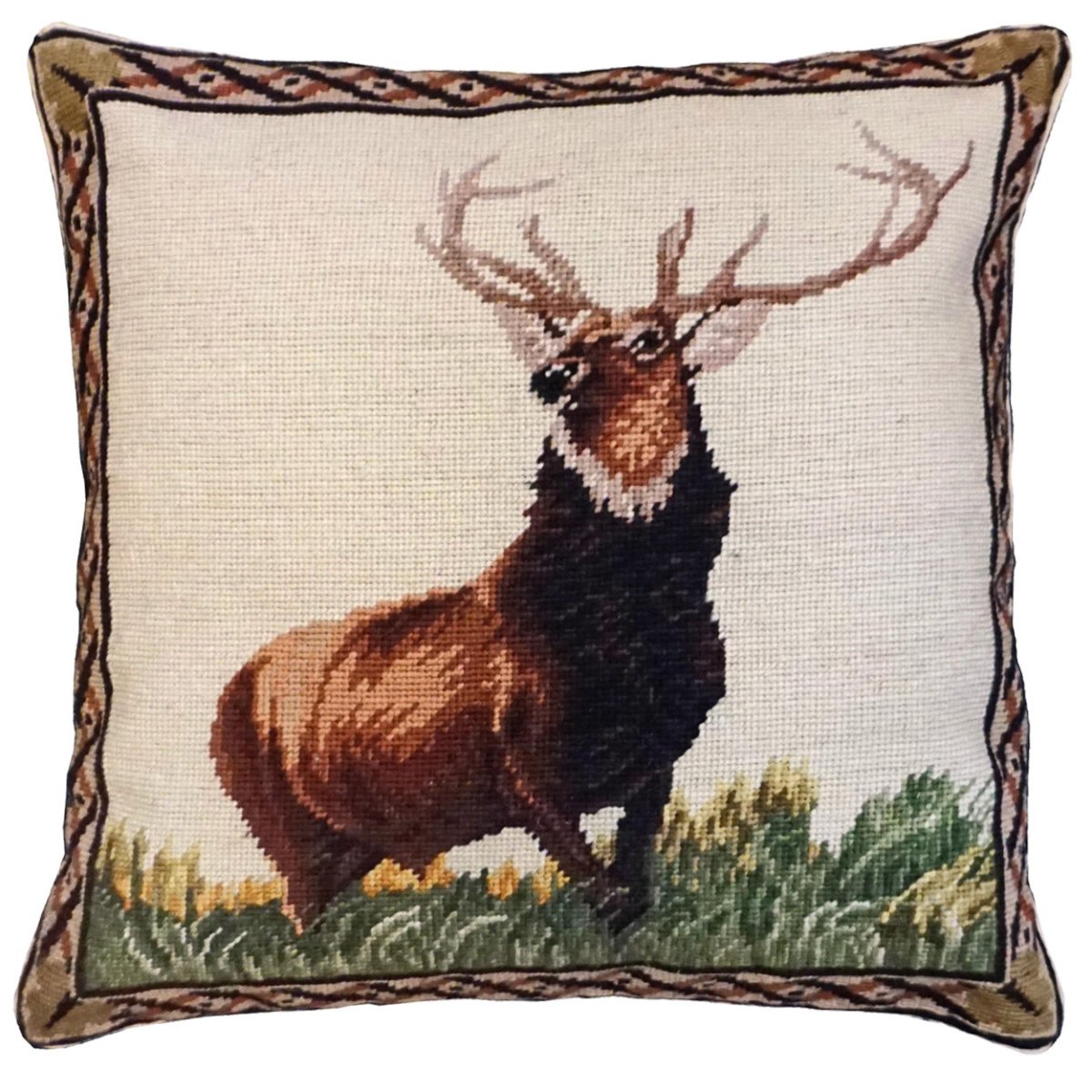
Needlepoint is wool yarn worked through an open canvas, one stitch per intersection, until every thread of the ground is covered. There is no printing, no weaving, and no shortcut; the design exists only as the accumulation of stitches. A standard-size pillow runs to many thousands of them, which is why a single piece can take an artisan the better part of a week and why no two are quite identical.
Gauge, and Why It Decides the Detail
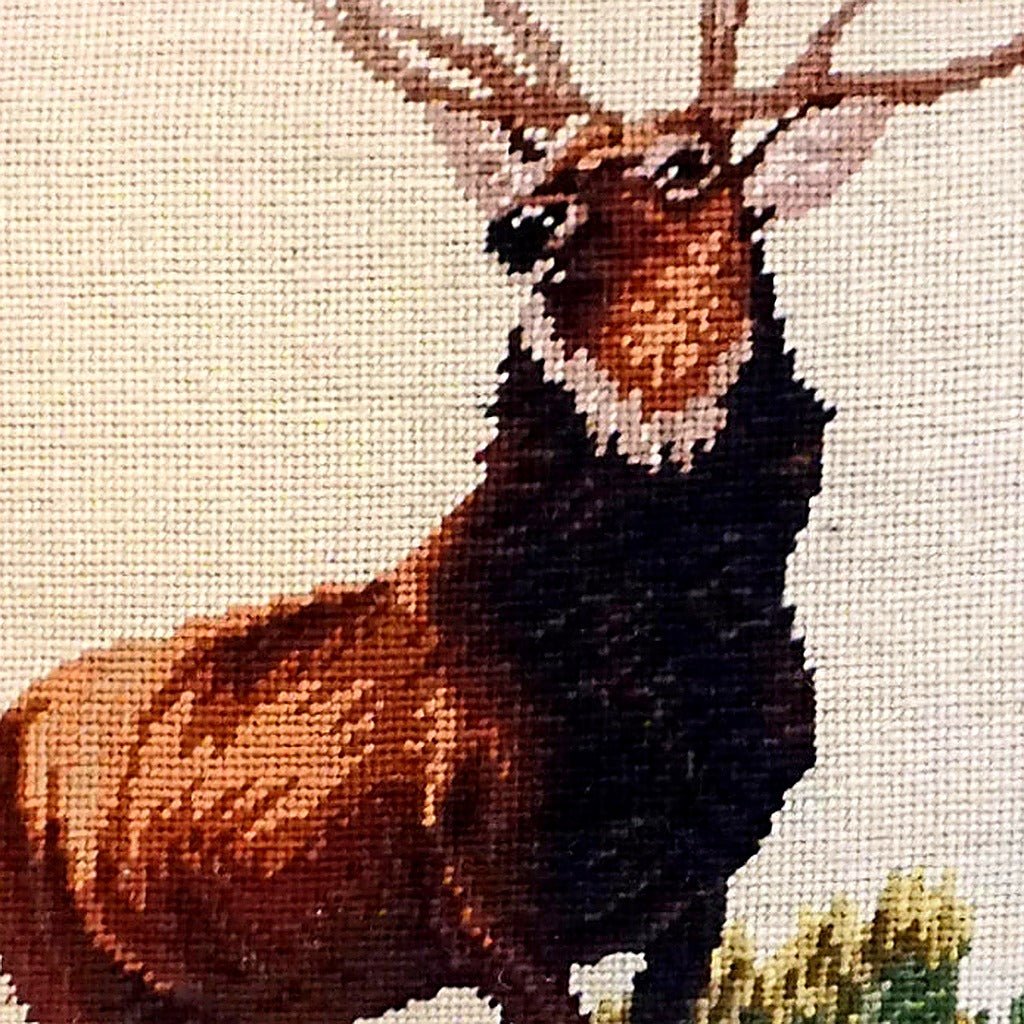
The count of stitches per inch is what determines how much detail a design can hold. A coarser gauge gives you bold shapes, faster work, and a chunkier surface. A finer gauge lets a design carry small faces, fine lettering, and shading that actually reads as shading. It is the single most useful thing to look at when you are comparing two pillows that seem similar in a photograph.
The Backs, Which Most Stores Skip
Our needlepoint pieces are finished with cotton velvet backs and a hidden zipper. This matters more than it sounds. A stitched front on a cheap cotton back feels wrong the moment you pick it up, and a sewn-shut pillow means the insert is the thing that determines the pillow's lifespan. A zippered velvet back means the cover outlives several inserts, which is the whole economic argument for buying a stitched pillow in the first place.
Wool, Wear, and Decades
Wool is the reason these last. It resists crushing, it releases dirt rather than holding it, and it takes dye with depth instead of brightness so it ages toward looking better rather than tired. A needlepoint pillow that is dry cleaned occasionally, kept out of direct sun, and stored dry will outlive the sofa it was bought for. Dry clean rather than washing, ideally with a cleaner who handles wool textiles. A poly insert is included with every pillow, and a down fill upgrade is offered on select designs, mostly in this needlepoint line.